Jennifer Jung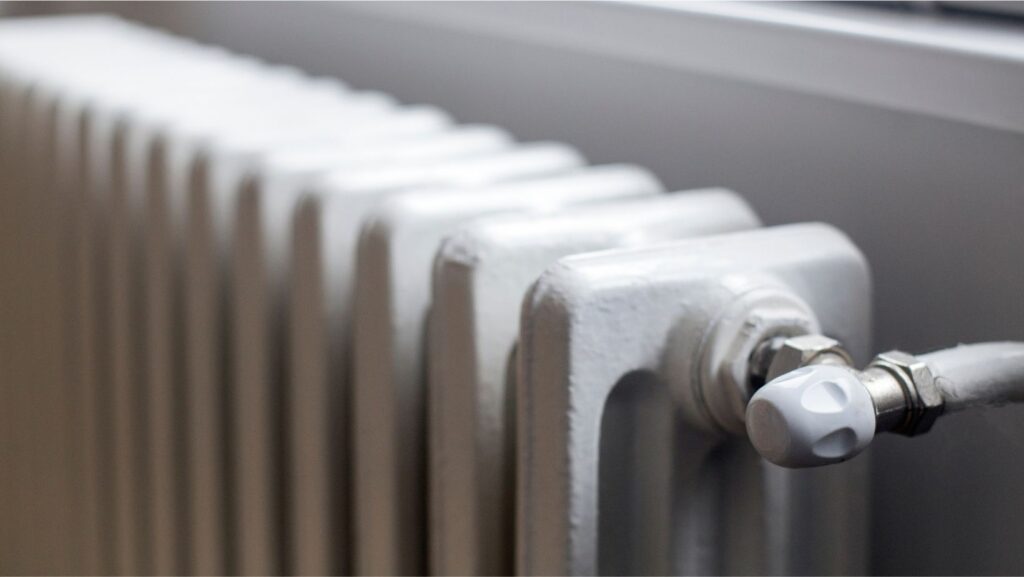
When it comes to heating a smaller home, selecting the right radiator can make a world of difference. Radiators not only contribute to your home’s warmth but also act as a decorative element in your living space. In smaller areas, where every square inch counts, making an informed choice is crucial. So what should you consider? Let’s delve into the essential factors.
1. Size and Output
The most critical aspect of any radiator choice is its size and heat output. Smaller homes generally require less heating capacity, but it’s vital to calculate your specific needs. The output is measured in British Thermal Units (BTUs), which indicates how much heat a radiator can produce.
For a small room, you might need a radiator that provides around 2,000 to 3,000 BTUs. To avoid a chilly atmosphere, consider using an online BTU calculator that factors in room size, insulation quality, and even window size. This step ensures that you choose a radiator that’s neither underwhelming nor excessive for your space.
2. Style and Design
The look of your radiator is especially important in limited space. Thankfully, today’s market offers various styles that blend seamlessly with your interior décor. From traditional to modern designs, choose one that complements your home’s aesthetic.
For those prioritising efficiency and style, compact models like space-saving double-panel units for homes can be an excellent choice. These units occupy less wall space while providing sufficient heat, making them suitable for cramped areas.
3. Material
Materials significantly affect a radiator’s efficiency and durability. The common options include:
• Steel: Known for rapid heat production and modern designs, steel radiators are both efficient and stylish.
• Cast Iron: While they take longer to heat up, cast iron radiators retain heat for longer periods, making them ideal for environments prone to quick temperature drops.
• Aluminium: Lightweight and quick to heat, aluminium radiators are perfect for smaller homes, offering excellent thermal conductivity.
Your choice of material may also influence your cleaning routine, so keep that in mind when selecting.
4. Installation Type
Consider how each type of radiator is installed. Wall-mounted radiators are common in smaller homes, but you may also come across floor-mounted options. Wall-mounted units help save floor space, while floor-mounted designs can serve as a design feature in larger open spaces.

You’ll want to think about the installation process too; some models are easier to install than others and could save you time and money. If you’re not planning to use a professional installer, researching models that come with straightforward installation instructions can be beneficial.
5. Energy Efficiency
With rising energy costs, energy-efficient radiators are more important than ever. Look for radiators that distribute heat evenly and effectively to avoid cold spots in your room. Additionally, consider models that accommodate smart thermostat controls.
Some radiators are designed to work efficiently with your home heating systems, such as combi boilers. Researching these options will not only keep you comfy but also contribute to lowering your energy bills in the long run.
6. Maintenance Requirements
The maintenance of your radiator can often be overlooked, but it’s an aspect that holds significant importance, especially in smaller homes. Dust and dirt can accumulate in radiators, reducing their efficiency over time. Some radiator types are easier to maintain than others, so consider both the cleaning requirements and durability.
For example, a sleek, modern steel radiator might require a simple wipe-down, while a traditional cast iron model may need more thorough attention.
7. Budget
Budget is always a consideration when making purchases for your home. Radiators come with a broad range of price points, from economical options to high-end designer units. While it may be tempting to choose the cheapest option, consider the long-term benefits of investing in a high-quality radiator that will last longer and perform better.
Remember that the upfront cost is just one part of the equation; energy efficiency and maintenance costs can affect your overall expenditure. Look for models that offer good warranties to ensure that your investment is protected.
8. Compatibility with Existing Heating Systems
Before making a final decision, ensure that the radiator you choose is compatible with your existing heating system. If your home currently runs on central heating, for example, you will need radiators designed for that setup.
Specific models work well with particular systems, like combination boilers or heat pumps. Thus, doing a bit of research beforehand can save you a great deal of hassle and potential cost.
Conclusion
Choosing the right radiator for a smaller home might seem daunting, but breaking down the process into manageable steps makes it easier. By considering size, style, material, installation type, energy efficiency, maintenance, budget, and compatibility, you can ensure that you make a choice that not only meets your heating needs but also complements your living space beautifully.
With the right information and resources, the investment can lead to a comfortable home environment that’s both functional and aesthetically pleasing. Keep yourself informed, but most importantly, trust your instincts—because heating your home should be as personal as it is practical.