Jennifer Jung
Insulating metal storage units or workshops can significantly enhance energy efficiency, comfort, and even longevity. With increasing energy costs and a growing emphasis on environmentally friendly practices, the importance of effective insulation cannot be overstated. However, achieving the right insulation for metal structures entails careful consideration of various factors, from materials to installation methods. Below, we delve into key considerations that will help you navigate the complexities of insulating your space effectively.
Understanding the Need for Insulation
Metal structures are notorious for their ability to conduct heat. During the summer months, they can become uncomfortably hot; in winter, they just as easily lose heat rapidly. Insulation acts as a barrier, helping to regulate the internal temperature, which plays a significant role in:
• Enhancing energy efficiency.
• Reducing the risk of condensation.
• Providing a more comfortable working environment.
The right insulation not only promotes comfort but also protects the integrity of the materials housed within.
Types of Insulation Materials
Choosing the right type of insulation material is crucial. Here are common options used for metal structures:
1. Fibreglass Insulation
Fibreglass batts or rolls are popular due to their affordability and effectiveness. They come in various thicknesses, allowing for flexibility in thermal resistance (R-value). However, caution is essential; they must be installed correctly to avoid gaps that compromise efficiency.
2. Foam Board Insulation
Foam board insulation provides excellent thermal resistance. It can be installed directly against the metal surface and is known for its moisture resistance. While a bit more expensive, its efficiency often makes it worthwhile.
3. Spray Foam Insulation
Spray foam is a fantastic option for irregularly shaped areas. This type of insulation expands to fill gaps and cracks, creating an airtight seal. Although it can come at a higher price point, the long-term energy savings usually justify the initial investment.
Among options, it’s worth exploring specialised products like Bluetex Insulation, which offers advanced solutions tailored for various applications. Their robust offerings can ensure a high-performance insulation solution that meets industry standards.
Installation Techniques
Once you’ve selected your materials, the next step is proper installation.
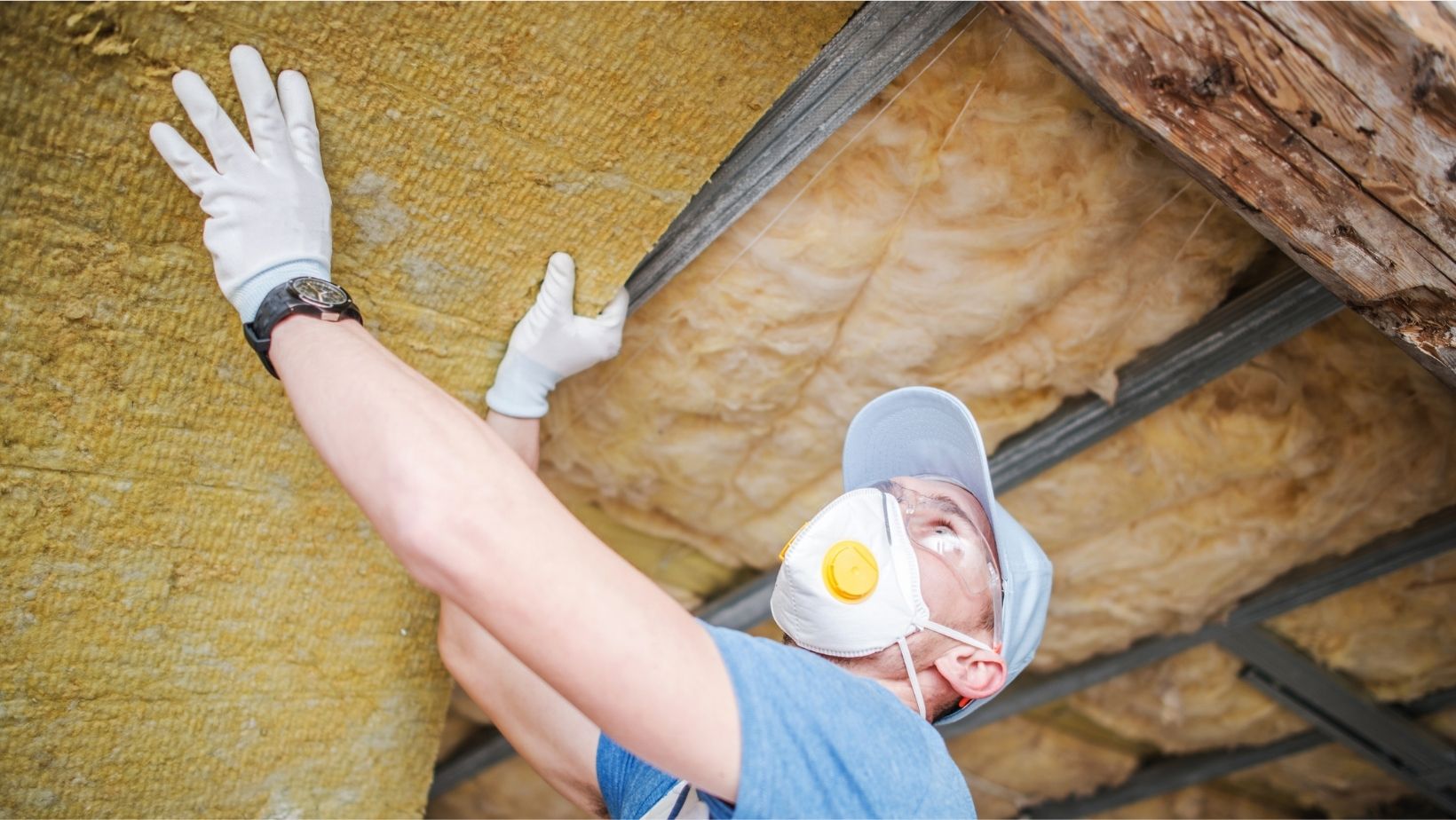
Different methods apply depending on your insulation choice:
1. Batt and Roll Installation
For fibreglass batts, proper fitting is essential. They should snugly fit between the metal studs without gaps. It’s also advisable to cover them with a facing material, such as kraft paper or foil, to improve moisture control.
2. Foam Board Installation
Foam board insulation can be attached to walls and ceilings using adhesive, mechanical fasteners, or both. Proper sealing at the edges will prevent thermal bridging, where heat can pass through alongside the boards.
3. Spray Foam Application
For spray foam, hiring a professional is often recommended. The application process requires specific equipment and expertise to ensure even coverage and optimal insulation R-value.
R-Value: What You Need to Know
The effectiveness of insulation is measured by its R-value, a numerical representation of its thermal resistance. The higher the R-value, the better it insulates. When choosing materials, be mindful of the local climate and the type of activities that will take place within the space. Here are some general guidelines for metal workshops:
• Mild Climates: An R-value of 13–19 may suffice.
• Cold Climates: Aim for an R-value of 19–30 or higher to combat heat loss effectively.
Ventilation and Humidity Control
Adequate ventilation is critical, particularly in metal structures where moisture can accumulate. This is particularly important in workshops that may involve woodworking, metalworking, or other activities producing moisture.
• Balance: Find a balance between insulation and ventilation. A well-insulated but poorly ventilated space can lead to excess humidity, fostering mould growth.
• Install Vents: Consider installing ridge vents or gable vents to promote airflow without compromising insulation effectiveness.
Building Regulations and Compliance
Before you begin any insulation project, be aware of local building regulations. In the UK, certain codes govern insulation standards, especially concerning fire safety and energy efficiency. Depending on your locality and the size and use of your workshop, you may need to consult a professional or refer to resources provided by local authorities.
Cost Considerations
Insulating a metal storage unit or workshop involves initial costs, but these should be viewed in the context of long-term savings. Proper insulation can significantly reduce heating and cooling costs, making it an investment rather than a mere expense. Furthermore, many insulation products offer warranties, enhancing their long-term value.
Summary
Insulating a metal storage unit or workshop is not merely an afterthought but a strategic move that enhances comfort, energy efficiency, and structural integrity. By considering the right materials, installation methods, and compliance with regulations, you can transform a metal space into a more functional and efficient environment.
As you plan your project, remember to weigh the benefits against initial costs and consider long-term implications. Quality insulation like that offered by Bluetex Insulation can provide tailored solutions suited to your needs. Equip yourself with the right knowledge and resources, and you’ll be well on your way to creating an insulated space that serves you for years to come.