Jennifer Jung
Across Canada, large entertainment complexes stand as bold examples of how architecture and interior design shape modern leisure spaces. These buildings are no longer defined only by visual grandeur. Today, they reflect careful planning, sustainability, digital influence, and human-centered design. If you are interested in how space affects mood, movement, and experience, Canadian casino design offers powerful lessons in layout, lighting, materials, and atmosphere. Every design choice works together to create spaces that feel immersive, functional, and welcoming without relying on excess.
From Grand Heritage to Contemporary Design Thinking
The early influence of casino-style architecture came from Europe, where gaming halls were built inside palaces meant to show power and wealth. High ceilings, elaborate décor, chandeliers, and rich materials created a strong visual impression. While some of these ideas still influence modern design, Canadian interiors have largely moved toward a more balanced and purposeful style.
Today’s spaces favor comfort, accessibility, and clarity over overwhelming decoration. Designers now prioritize how people feel inside a space, not just how it looks from the outside. Instead of heavy ornamentation, you see clean lines, thoughtful lighting, and open layouts that encourage ease of movement and relaxation. This shift reflects a broader change in modern architecture, where experience is just as important as appearance.
Layout and Spatial Flow: Designing for Movement and Comfort
One of the most important features of interior design in these spaces is layout. The way areas connect and flow determines how you move, pause, interact, and rest. Older designs often relied on dense, maze-like interiors. Modern Canadian spaces take a more open and breathable approach.
Wide walkways, open sightlines, and clearly defined zones help visitors move naturally without feeling crowded. Social areas blend smoothly into quieter zones, creating a rhythm between energy and calm. Seating areas are placed where people instinctively want to stop and relax, while active zones remain visually open and dynamic.
Designers also work carefully with scale. Large halls are balanced with smaller, more intimate spaces. This variety allows different emotional experiences within the same building. You feel both excitement and comfort without sudden or uncomfortable transitions.
The Subtle Digital Influence and Online Experience
Digital design now quietly influences physical architecture across Canada. One clear example appears in the structure of online roulette casino sites. These casino platforms rely on clean layouts, simple navigation, and intuitive user flow to ensure roulette players enjoy a smooth gaming experience. That same design logic now shapes physical interiors.
You see it in simplified floor plans, interactive screens, digital wayfinding, and modular seating systems. Though one exists in virtual space and the other in physical form, both rely on clarity, ease of movement, and user comfort. This crossover shows how digital design principles now guide the way physical environments are planned and experienced.
The Power of Lighting in Shaping Atmosphere
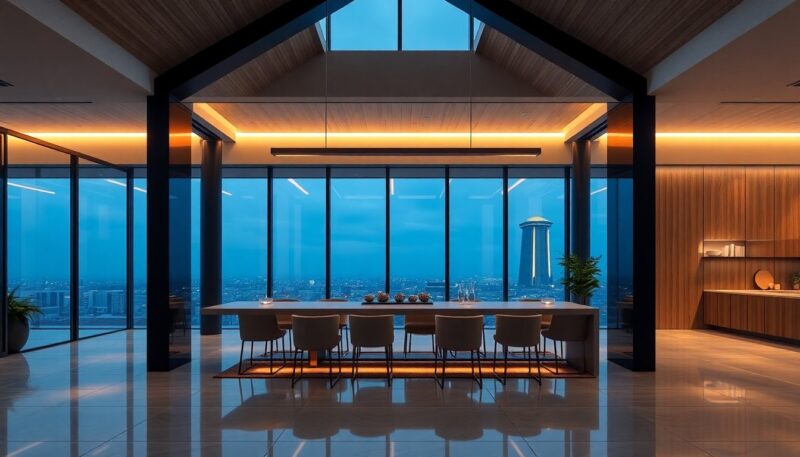
Lighting plays a central role in shaping the mood and identity of modern Canadian entertainment interiors. Natural light is now a major design feature. Large windows, skylights, and glass walls bring daylight into spaces that were once completely closed off. This connection to the outdoors improves comfort, helps regulate mood, and creates a stronger sense of time and place.
Artificial lighting is layered with intention. Soft ambient lighting makes large interiors feel warm and welcoming. Accent lighting highlights textures, architectural details, and circulation paths. Color temperature is carefully controlled so that spaces do not feel harsh or tiring. In many interiors, lighting subtly shifts through the day to mirror natural rhythms, supporting a calmer and more human-centered environment.
Materials and Texture – A New Definition of Luxury
Traditional interiors depended heavily on marble, mirrors, gold finishes, and heavy fabrics to express luxury. While visually striking, these materials often created sensory overload. In contrast, Canadian design now expresses luxury through restraint, texture, and sustainability.
Natural materials such as wood, stone, and woven fabrics are used more frequently. These materials feel warm, balanced, and grounded. Designers also prioritize surfaces that age well, resisting wear while maintaining visual appeal. Sustainability plays a major role, with recycled materials, low-emission finishes, and responsibly sourced wood becoming standard practice.
This shift shows that modern luxury is no longer about excess. It is about comfort, quality, and environmental responsibility.
Aesthetic Choices That Create Immersion
Modern entertainment interiors in Canada are designed with storytelling in mind. Color palettes, shapes, and visual rhythm are carefully selected to create immersive environments that feel emotionally complete. Instead of bold color everywhere, designers use neutral foundations with strategic feature elements.
Curved forms soften large interiors and guide movement. Textured walls and custom lighting installations become focal points without overwhelming the senses. Digital art surfaces add motion and flexibility, allowing spaces to evolve visually without physical reconstruction.
Every visual element is chosen to support emotional experience. Active zones feel energetic, while quieter areas feel calm and protective. This emotional zoning is intentional and rooted in how people psychologically respond to space.
Community, Social Space, and Emotional Design
Canadian entertainment spaces now function as social environments rather than isolated destinations. Architects blend dining, performance zones, lounges, and gathering areas into one continuous experience. The focus is no longer only on spectacle but on connection.
Seating is arranged to encourage conversation. Sound-absorbing materials reduce noise stress. Lighting adjusts to support both social energy and personal comfort. These spaces feel inviting rather than overwhelming, making them places where people want to spend time.
Inclusivity is also central to modern design. Wide circulation paths, step-free access, and clear signage ensure that people of all abilities can move easily.