Roger Morph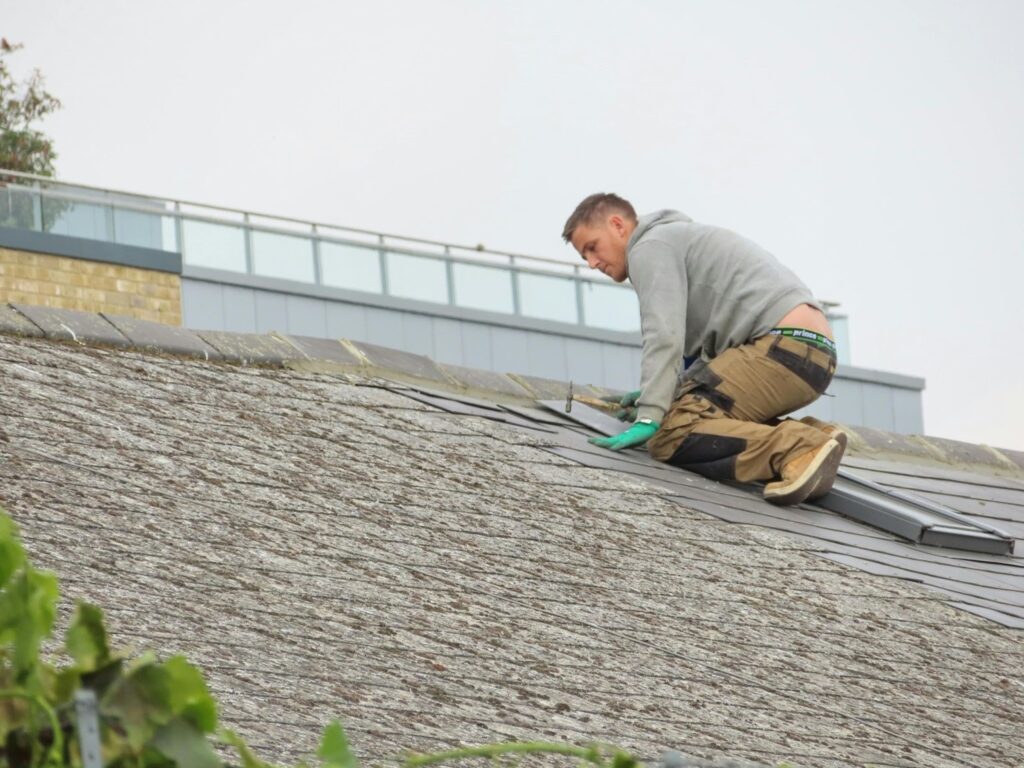
One of the most common issues that the owners of a house ask about is the roof’s lifespan. The information about the roof life contributes to the budget work, planning of maintenance from roofing contractors in San Jose, and avoiding unforeseen damage. No roof can be permanent, but knowing what goes on it might, in its turn, help you make more intelligent decisions and remain in your house in the long-term.
An Overview of Typical Roof Lifespans
The various roofing materials have different life spans. The following is a rough account of the lifespan of popular types of roofs in an ideal situation.
Asphalt Shingle Roofing
The most popular roofing material in the U.S is asphalt shingles. They are usually available between 20 and 30 years, depending on shingle grade and quality of installation, as well as exposure to the climate.
Metal Roofing Systems
Metal roofs are reported to be tough and durable. A metal roof’s lifespan is one of the most durable roof systems, with a life span of 40-70 years in the case of a well-laid roofing system.
Tile Roofing Materials
Clay and concrete tiles are very strong, and they may last up to 50 years or even longer. They are fire, insect, and rot resistant, and their weight and material composition allow this.
Wood Shingles and Shake Roofs
Wood roofing is known to be beautiful in nature and requires more attention. Wood shingles and shakes have a lifespan of about 25 to 40 years on average, provided the maintenance is done consistently.
Slate Roofing
Slate is one of the roofing materials that lasts the longest. Slate roofs, when installed by experts, can last 75 years to 100 years or more.
Flat Roof Systems
Flat roofs, common with commercial buildings, usually last 15 to 30 years based on the nature of the membrane and the quality of the drains.
What Factors Influence Roof Durability Over Time
There is a wide range of differences in the anticipated service life of many roofing materials – e.g., ordinary asphalt shingle roofing has an expected service life of between 15 and 30 years in a normal environment, whereas high-quality roofing materials such as slate can last up to 100 years under normal conditions.
There are a number of factors contributing to the overall roof durability, and they include the mode of installation, the local weather, and the maintenance habits.
The Role of Roofing Material Quality
The quality of the material tends to be more resistant to wear, UV, and moisture. The higher cost of premium products might be offset in the short run, but the long-term costs of repairs may be lowered.
Why Proper Installation Makes a Difference
The finest roofing material may fail very early when it is installed incorrectly. Correct fastening, ventilation, and the installation of underlayment directly influence the longevity of a roof as it is expected to be.
How Climate and Weather Impact Roof Longevity
Houses in high storm areas or with fluctuating temperatures could be aging faster than roofs in low temperature areas.
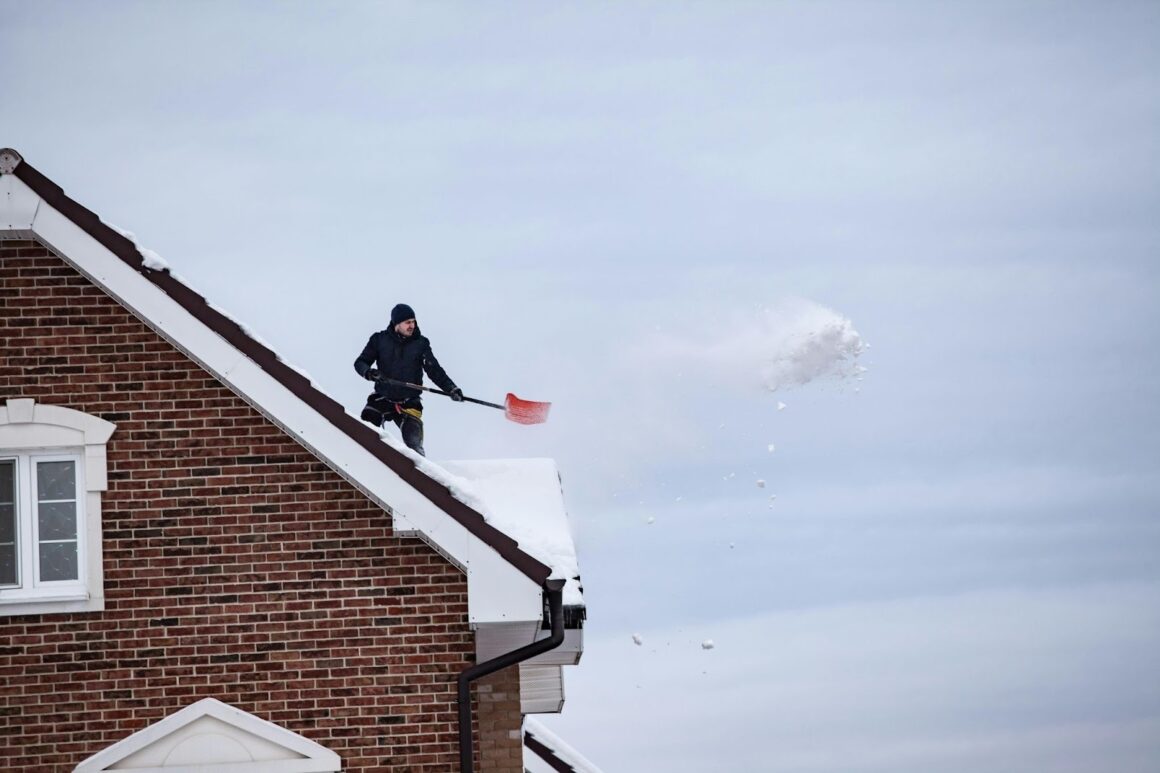
Ongoing Maintenance and Its Effect on Roof Life
The basic checks and small-scale repairs can greatly increase the roof’s life. Maintenance tasks include:
- Removing the clogging debris in gutters and valleys.
- Shingles replaced prematurely.
- Handling minor leakages in their initial stages.
Having professionals with extensive experience, such as RoofWorx or a reliable a Employing the services of professionals with much experience, will help to prevent the emergence of any problem before it becomes expensive to control the situation.
Warning Signs That a Roof May Need Replacing
Interior damage can be avoided by knowing when a replacement is required. Warning signs are common among them and include:
- Curling or missing shingles
- Continuous leakages or water spots.
- Sagging rooflines
- Excessive granule loss
In case there are several indicators simultaneously, it is possible that replacement will be more cost-efficient than continuing repairs.
Practical Ways to Prolong Your Roof’s Service Life
Proactive activities that can be taken by the homeowners to prolong the performance include:
- Routine, periodical, once or twice yearly professional inspection.
- Ensure that the vault is open to air.
- Take off the roof with tree branches.
- Address repairs promptly
Minor pre-emptive measures will extend the lifespan of your roof several years.
In Conclusion
The life span of a roof and roof durability are determined by the choice of the material used, the quality of installation, the weather, and the maintenance. Although no system is permanent, having an idea of the relationship between these factors can enable the homeowner to safeguard their investment. Maintenance and professional support should be the top priority in order to enhance the longevity of the roof and make sure your roof works as long as possible.