Pyrrothian Lyxterand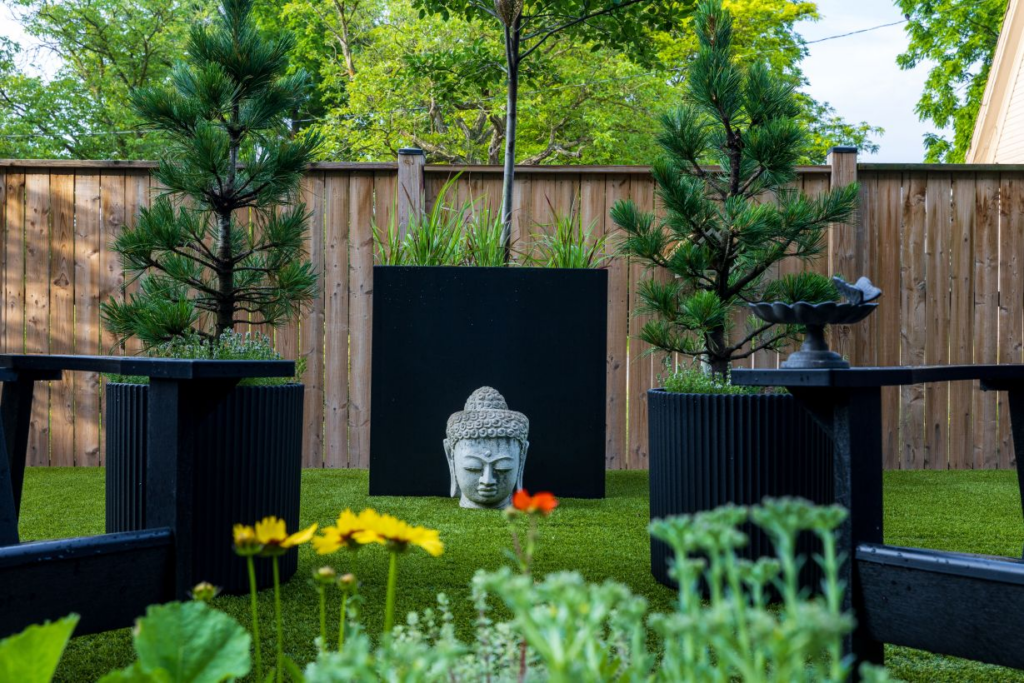
Planters do a lot of the heavy lifting in any well-designed commercial property or upscale residential garden. They frame entrances, define boundaries, and set the tone before a single flower catches your eye. Most people obsess over plant selection while overlooking the containers that hold everything together. This is where modern landscape design either succeeds or falls flat.
If you’ve been exploring ways to elevate your outdoor space without committing to permanent structures, this article breaks down how PVC planters work, why landscape professionals increasingly rely on them, and how you can incorporate them into a cohesive, modern design that holds up over time.
A Growing Industry With Rising Standards
Landscaping services are thriving. In the US, revenues reached USD$ 178.4 billion in 2024, with each household spending USD$ 238 annually in lawn care and gardening alone. That kind of investment demands visual and structural results. Homeowners and commercial property managers alike want solutions that look polished in year one and still look polished in year ten.
That shift in expectation has pushed landscape architects toward materials that combine durability with design flexibility. Traditional wood rots. Concrete is heavy and expensive to move. Metal rusts in wet and humid environments. The industry needed something better, and that’s where modern planter materials stepped in to fill the gap.
Why PVC Planters Are Gaining Ground
Material failure is one of the most persistent headaches in outdoor planting. Wood planter boxes swell, crack, and deteriorate after repeated exposure to moisture, winter freezes, and harsh sun. Stone and concrete options solve the durability problem but introduce serious weight concerns, especially on rooftop terraces or elevated decks where load limits matter.
Versatile and tough PVC planters address these issues directly. They’re weather-resistant, lightweight, and won’t rot, warp, or corrode even in environments where coastal humidity and UV exposure would destroy other materials. Manufacturers engineer them from cellular PVC and composite PVC formulations that mimic the look of painted wood while outlasting it by decades. You get the aesthetic appeal of a traditional planter without the maintenance headaches.
Understanding the Range of Styles and Applications
Modern PVC planters come in a far wider range of sizes and styles than most people expect. You’re not limited to a basic rectangular box. Options include slender planters for tight entryways, large rooftop garden containers with load-bearing bases, window boxes for facade greenery, and deck planters designed specifically for railing and surface mounting.
Modern manufacturers create products from architectural plastic and synthetic materials engineered for long-term outdoor use. Designs often include features like mitered corners for a refined, furniture-grade look, hidden bolt-down flanges for secure installation, decorative trim for visual character, and mounting hardware suited to a range of surfaces. For commercial installations or high-traffic areas, these details separate a thoughtful design from something that looks assembled.
PVC planter boxes designed for specific settings also solve practical problems:
- Raised planters elevate plant displays to eye level, improving visual impact and making maintenance easier on the back. They work especially well for showcasing plants along walkways or near building entrances where ground-level planting would get overlooked.
- Self-watering planter models with an internal reservoir reduce irrigation frequency and help regulate moisture for plants sensitive to drought-and-flood cycles. This supports healthy root development without constant monitoring.
Both options integrate cleanly into professional designs without requiring specialized installation skills. DIY landscaping projects have never had more material options and designs available, but that abundance can lead you to the wrong choice. Matching your planter type to your setting, whether it’s a coastal terrace, a shaded courtyard, or a rooftop with weight restrictions, matters more than any individual plant selection.
Building Cohesive Designs That Actually Work
The most effective planter layouts think in layers. A front and back row of flowers creates depth and draws the eye through a space rather than stopping it flat. Use taller PVC pipe planter display stands in the back, and lower planter boxes at the front edge to build that visual gradient. It’s a technique pulled straight from formal garden beds, adapted for containerized planting.
For urban forestry applications or commercial streetscapes, PVC pipe plugs and drainage solutions built into the base keep water moving without saturating roots. Outdoor-rated finishes with UV resistance ensure the color holds without fading to a chalky gray after a single summer. If you want to customize further, most cellular PVC products can facilitate excellent paint adhesion. You can match any brand palette or architectural color scheme without a specialist.
Urban planners and landscape architecture firms increasingly specify custom planters for projects involving a retaining wall integration or structured green corridors. The ability to order specific dimensions, finishes, and hardware configurations makes PVC the practical choice at scale.
Bringing It Together in Your Own Space
Getting the most out of your outdoor design comes down to matching the right planter to the right environment. For the plant enthusiast working on a personal garden or a contractor designing a client’s commercial exterior, PVC planters offer a rare combination: low maintenance, high design, and the structural reliability to handle whatever the climate throws at them.
The material stays consistent; what changes is how you deploy it. Think about sight lines, traffic flow, and how much maintenance you’re realistically willing to commit to, then let those answers guide your selections. Get the containers right, and the plants will follow.