Designing Commercial Buildings for Hygiene Efficiency: What Architects Must Consider
 Jennifer Jung
A commercial building without proper cleanliness is an instant turnoff for tenants, employees, and visitors. The challenge for architects is to create spaces that impress while supporting health, hygiene, and easy maintenance. Clean and well-organized buildings improve comfort, safety, and overall experience for occupants. This article explores how architects can design commercial buildings with hygiene efficiency in mind.
Designing for Easy Sanitation Access
Designing commercial buildings for hygiene begins with ensuring easy access to sanitation points. Proper placement of handwashing stations, sanitizing areas, and maintenance rooms allows occupants to maintain cleanliness effortlessly throughout the day. Thoughtful layout planning can prevent contamination hotspots and streamline movement in high-traffic areas. Key strategies include:
- Optimizing traffic flow: Design corridors and common areas to guide movement and reduce the risk of dirt and germs spreading.
- Wide walkways and open-plan areas: Minimize tight corners and clutter to make cleaning faster and effective.
- Smart restroom and service corridor placement: Separate clean zones from service or utility areas to avoid cross-traffic.
These approaches help create commercial spaces that are functional and easy to maintain.
Choosing Hygienic Materials and Finishes
Selecting the right materials and finishes is essential for maintaining hygiene in commercial buildings. Non-porous surfaces such as metal, stone, and treated wood are easy to clean and prevent dirt buildup.
High-touch areas like door handles, counters, and railings benefit from antimicrobial coatings that reduce the spread of germs. Flooring materials that resist moisture and stains help minimize frequent cleaning while protecting the surface from damage.
Ventilation, Air Quality, and HVAC Considerations
Proper ventilation and air quality play a critical role in maintaining hygiene in commercial buildings. Adequate airflow helps reduce airborne contaminants and ensures a healthier environment for occupants. Architects should carefully plan vent placement, use HEPA filters, and create negative or positive airflow zones in specialized areas to control air movement effectively.
Integrating natural ventilation through atriums, lobbies, and open facades enhances airflow while supporting energy efficiency. Clean air improves overall hygiene, protects building materials, and contributes directly to the health, comfort, and well-being of everyone inside.
Creating High-Traffic Areas Designed for Rapid Cleaning
High-traffic areas require thoughtful design to maintain hygiene and simplify cleaning. Lobbies, hallways, elevators, and staircases experience constant foot traffic. Using smooth surfaces and rounded edges prevents dirt and dust from accumulating in hard-to-reach corners.
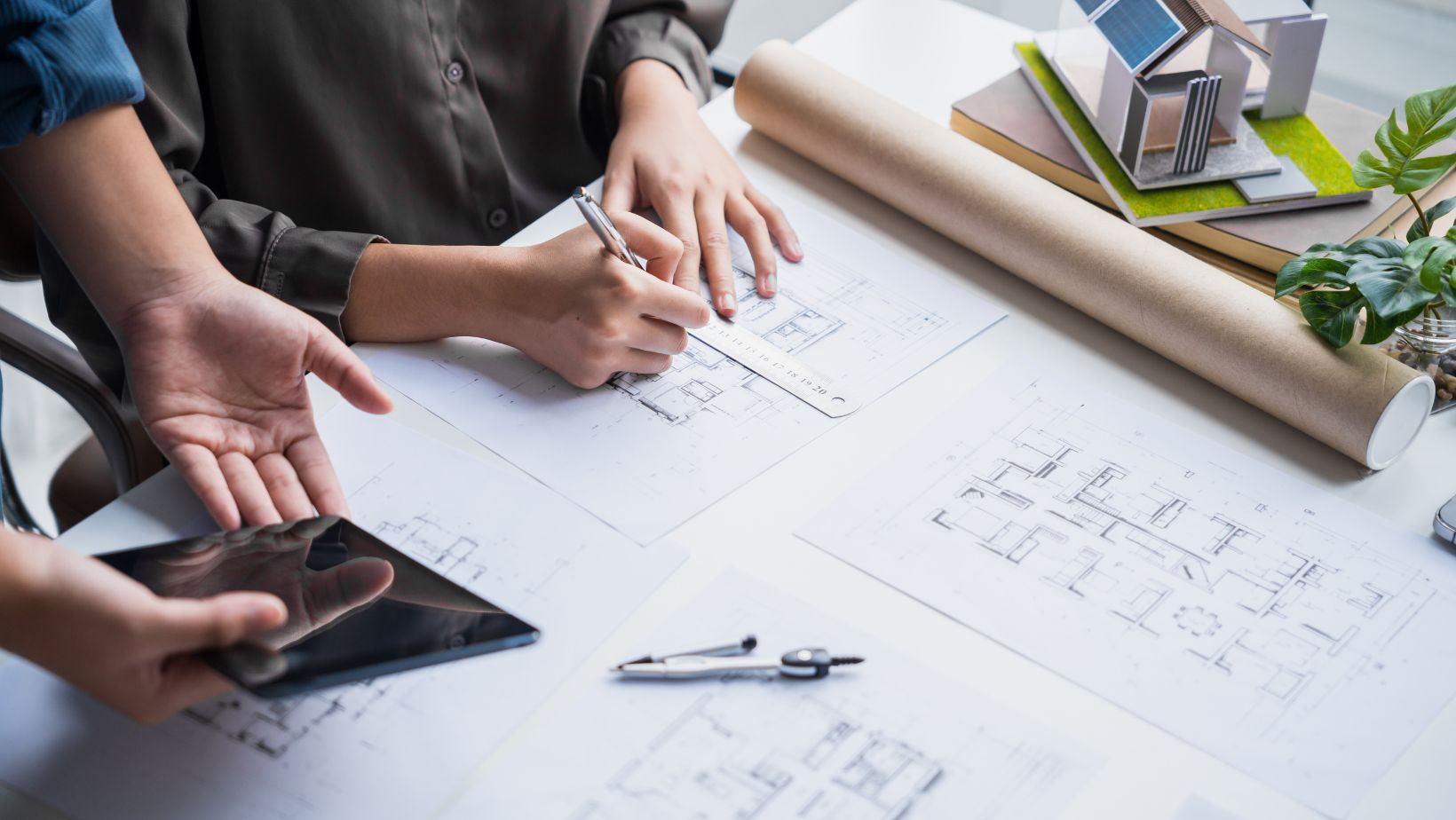
Architectural complexity, such as complex moldings or narrow alcoves, can hinder cleaning efficiency and increase maintenance time. Moreover, furniture and built-in fixtures should allow janitorial teams and automated cleaning tools to move freely. Hiring professional providers like Dallas Janitorial Services ensures these busy areas receive consistently expert cleaning.
Smart Technology Integration for Hygiene
Incorporating smart technology in commercial buildings enhances hygiene and reduces the spread of germs. Touchless solutions like motion-sensor faucets, automatic doors, and touch-free soap dispensers minimize physical contact with high-touch surfaces.
Occupancy sensors and smart monitoring systems can track usage in restrooms, lobbies, and conference rooms. This allows janitorial teams to clean efficiently based on real-time data. UV lighting and antimicrobial fixtures can be integrated in strategic areas, such as stairwells or high-traffic hallways, to further reduce microbial buildup. Combined with thoughtful architectural design, these technologies ensure the building stays cleaner, safer, and more convenient for occupants.
Post-Construction Cleaning and Maintenance Planning
Post-construction cleaning is crucial for preserving hygiene and the finished look of a commercial building. Dust, debris, and construction residues can damage surfaces or create unhealthy conditions if not removed properly.
Architects play an important role in this process by planning spaces that allow easy access for cleaning crews and equipment. This includes designing service corridors, specifying storage areas for cleaning supplies, and selecting finishes that withstand post-construction cleaning.
Endnote
Keeping commercial buildings clean and safe is very important. Smart layouts, strong materials, good airflow, and touch-free technology help make cleaning easier. Architects who plan for hygiene and work with professional cleaning teams make sure buildings stay safe, healthy, and nice to look at. All of these steps also make long-term upkeep simpler and less costly.