Exposed-Fastener Metal Roof Leaks: A Practical Checklist for Finding Loose Fasteners and Worn Seals Early
 Jennifer Jung
Exposed-fastener metal roofs are durable and cost-effective, but they rely heavily on small components that experience constant stress from weather and temperature changes. Homeowners focused on proactive metal roofing maintenance often discover that leaks rarely appear suddenly. Instead, they develop gradually as fasteners loosen, seals degrade, and moisture finds quiet entry points. Knowing where and how to inspect these vulnerable areas early can prevent minor wear from turning into structural damage.
Why Exposed-Fastener Systems Are Vulnerable to Leaks
Exposed-fastener roofs, in contrast to standing seam systems, rely on thousands of screws that are driven straight through the metal panels and into the roof deck. Every screw develops a penetration point that needs to be sealed over time, making metal roof repair a necessary consideration for long-term protection. Every day temperature changes cause metal to expand and contract, causing fasteners to move repeatedly, which can gradually weaken their hold.
Although the rubber washers behind the screw heads are meant to keep water out, they are also the first parts to deteriorate. Washers’ capacity to resist moisture is diminished as they harden, break, or flatten due to UV exposure, heat, and freeze cycles. Water may start to move beneath the panels if even a few fasteners break.
How Temperature Movement Accelerates Wear
Many homeowners are unaware of how much metal roofing moves. Fasteners are constantly under pressure as panels expand in hot weather and shrink in cold weather. Even if the screws were put correctly, they may eventually back out somewhat due to this movement.
The washer loses compression as soon as a fastener lifts even a tiny bit. Rain blown by the wind can easily enter that opening. Leaks frequently go undetected until moisture has reached insulation or decking because this process occurs gradually.
Early Warning Signs Homeowners Often Miss
Leaks from exposed fasteners don’t often show up as obvious dripping. Early warning signs are often vague and easy to ignore. Slow moisture entry might be indicated by discoloration on interior ceilings, a musty smell in attic spaces, or mild water stains near exterior walls.
Clear indicators that sealing ability is deteriorating on the roof itself include rust rings surrounding fastener heads, uneven screw height, or washers that seem broken or brittle. These hints point to the need for a more thorough examination before the damage gets worse.
A Practical Inspection Checklist for Early Detection
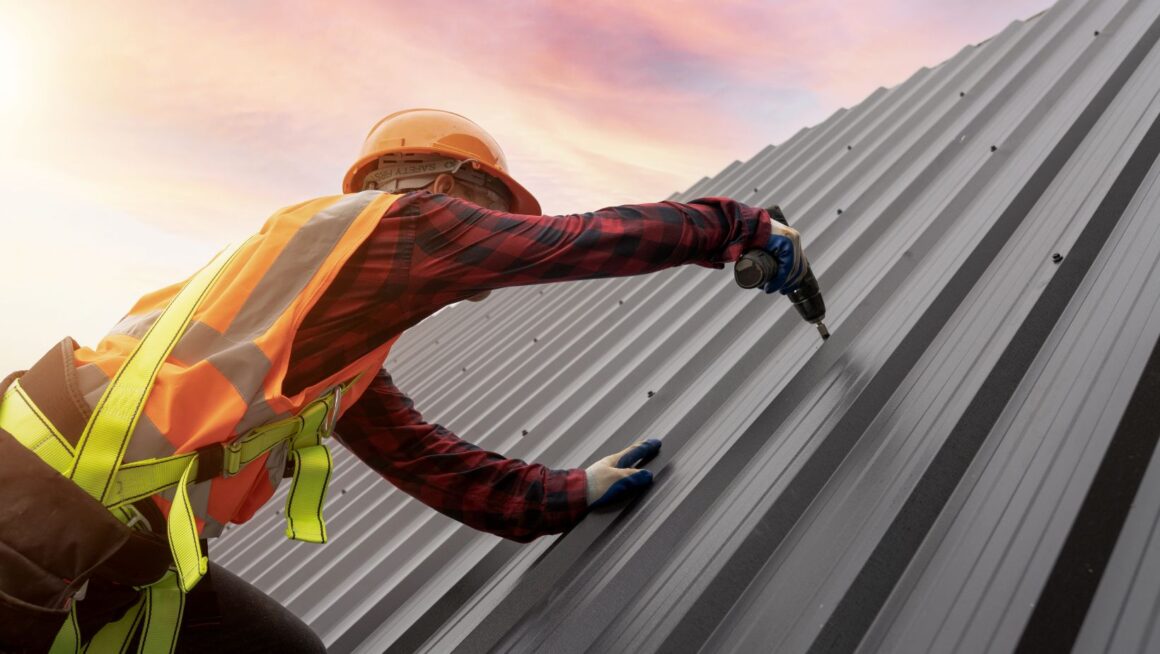
Homeowners can identify problems before leaks occur by doing routine inspections. Professional assessments are preferred, although visual inspections can identify many common issues. Pay attention to locations like panel overlaps, ridgelines, and roof edges that are particularly vulnerable to stress.
Use this checklist during inspections:
- Look for screws that sit higher than surrounding fasteners, which may indicate backing out.
- Check rubber washers for cracking, flattening, or visible gaps between the washer and panel.
- Inspect areas where panels overlap for signs of moisture staining or debris buildup.
- Examine fasteners near roof penetrations like vents or skylights, where movement is often greater.
- Watch for rust forming around screw heads, which can signal long-term moisture exposure.
Performing these checks at least once a year, and after severe weather, helps identify issues while they are still easy to correct.
Why Sealant Alone Is Not a Long-Term Fix
Although covering failed fasteners with sealant can seem like an easy fix, it rarely deals with the underlying issue. Sealants do not prevent further fastener movement or restore washer compression, although they can momentarily stop water. Sealant may split or crack as the roof continues to expand and contract.
In order to make proper repairs, old fasteners are frequently completely replaced with new screws and washers made specifically for metal roofing systems. Upgrading to bigger fasteners can sometimes increase grip and prolong service life.
The Role of Installation Quality in Leak Prevention
Installation procedures are often the cause of exposed-fastener leakage. At the same time, underdriven screws are unable to produce an adequate seal, and overdriven screws crush washers. Wear is accelerated when fasteners are positioned at small angles because they put uneven pressure on washers.
Even a well-built roof needs upkeep, but roofs that are installed with constant torque and alignment typically age more predictably. Knowing this enables homeowners to determine whether persistent problems are caused by normal aging or underlying installation defects.
Final Thoughts
Exposed-fastener metal roofs depend on thousands of small components working together to keep water out. Loose fasteners and worn washers are common, predictable, and manageable when addressed early. Consistent inspections and timely repairs are the foundation of effective metal roofing maintenance, allowing homeowners to extend roof life, avoid hidden damage, and preserve the performance of their roofing system for years to come.