Pyrrothian Lyxterand
Imagine standing barefoot on cool, polished capiz shell floors, sunlight filtering through intricate wooden latticework, and the scent of rain-soaked earth drifting in from the garden. That’s the magic of Filipino architecture—it’s not just about buildings, but about how spaces make you feel. If you’ve ever wondered why a bahay kubo feels so different from a Spanish-era mansion, or why modern Filipino homes still echo the past, you’re in the right place. Filipino architecture is a living story, shaped by centuries of change, struggle, and creativity. Let’s break it down.
What Makes Filipino Architecture Unique?
Filipino architecture isn’t just a style—it’s a survival strategy, a love letter to the tropics, and a record of history. The main keyword here is adaptation. From nipa huts that shrug off typhoons to Art Deco theaters that survived war, every structure tells a story of resilience. Here’s why:
- Climate-smart design: Wide eaves, raised floors, and ventanillas (small windows) keep homes cool and dry.
- Resourcefulness: Builders use what’s around—bamboo, coconut lumber, coral stone, even recycled glass bottles.
- Fusion of influences: Indigenous, Spanish, American, and Asian styles all left their mark.
If you’ve ever struggled to explain why a Filipino house feels so different from a Western one, it’s because it’s built for a different world—one where typhoons, fiestas, and family gatherings shape every wall and window.
The Roots: Indigenous Filipino Architecture
Let’s start with the bahay kubo. Picture a small, thatched hut on stilts, walls woven from bamboo, and a roof that almost touches the ground. It’s not just cute—it’s genius. The bahay kubo can be built in a week, moved by a dozen neighbors, and rebuilt after a storm. It’s the original “modular home,” centuries before the term existed.
Other indigenous groups have their own styles. The Ifugao’s balay sits on tall posts, safe from floods and wild animals. The Maranao’s torogan dazzles with carved okir patterns and swooping roofs. Each design fits its environment like a glove.
Here’s the part nobody tells you: these homes aren’t just practical—they’re social. The open layout means you can hear your neighbor’s laughter, smell their cooking, and join in at a moment’s notice. Filipino architecture is about connection as much as shelter.
Colonial Encounters: Spanish and American Influences
When the Spanish arrived in the 16th century, they brought stone, bricks, and a love for grand entrances. The bahay na bato was born—a stone-walled ground floor with a wooden upper story, capiz shell windows, and a wide staircase perfect for dramatic entrances. These homes were built to impress, but also to survive earthquakes and fires.
Fast forward to the American period. Suddenly, you see neoclassical columns, wide porches, and even art deco flourishes. The Manila Metropolitan Theater, with its stained glass and tropical motifs, is a perfect example. Filipino architects started blending Western styles with local materials and needs. The result? Buildings that look global but feel unmistakably Filipino.
If you’ve ever felt confused by a house that looks part Spanish villa, part tropical hut, you’re not alone. Filipino architecture is a mashup, and that’s its superpower.
Modern Filipino Architecture: Reinventing Tradition
Today, Filipino architecture is having a moment. Architects like Leandro Locsin and Francisco Mañosa took the best of the past and made it new. Locsin’s Cultural Center of the Philippines floats above the ground, echoing the bahay kubo. Mañosa’s Coconut Palace uses local materials in ways that feel both ancient and futuristic.
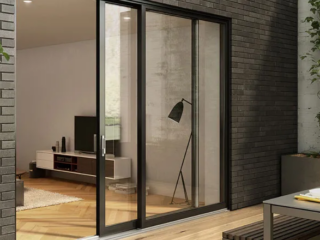
Modern homes often feature open plans, sliding glass doors, and lush gardens. But look closer and you’ll spot the DNA of the bahay kubo—ventilation, shade, and a deep respect for nature. Filipino architecture isn’t stuck in the past; it’s always evolving, always experimenting.
Here’s a tip: If you want your home to feel truly Filipino, don’t just copy a style. Think about how you live, who you share your space with, and how you want to feel. That’s the real secret.
Filipino Architecture in Everyday Life
Filipino architecture isn’t just for mansions or museums. It’s in the sari-sari store on the corner, the jeepney terminal, the church where your grandparents got married. Even the way people hang laundry or build makeshift shade tells a story of adaptation and creativity.
Let’s be honest—sometimes, Filipino architecture means patching a leaky roof with a tarp or turning a garage into a karaoke bar. It’s not always pretty, but it’s always alive. If you’ve ever felt embarrassed by a “makeshift” home, remember: improvisation is part of the tradition.
Who Is Filipino Architecture For?
If you love spaces that breathe, that change with the weather, and that bring people together, Filipino architecture is for you. If you want a house that looks the same year-round, with sealed windows and silent halls, you might struggle here. Filipino homes are noisy, open, and full of life. They’re built for families, fiestas, and the occasional typhoon.
Here’s the truth: Filipino architecture isn’t about perfection. It’s about making do, making better, and making memories. If you’re okay with a little mess and a lot of heart, you’ll feel right at home.
Actionable Tips: Bringing Filipino Architecture Home
- Use local materials—bamboo, rattan, capiz, and native hardwoods add warmth and character.
- Design for airflow—high ceilings, wide windows, and open layouts keep things cool.
- Blend old and new—mix traditional patterns with modern furniture for a fresh look.
- Let nature in—add plants, courtyards, or even a small garden to connect with the outdoors.
- Celebrate imperfection—handmade tiles, woven mats, and mismatched chairs tell your story.
Next steps: Walk around your neighborhood. Notice the details—carved doors, shell windows, the way sunlight hits a wall. Filipino architecture is everywhere, if you know where to look.
Final Thoughts: The Living Story of Filipino Architecture
Filipino architecture is more than a style—it’s a way of seeing the world. It’s about making space for family, for laughter, for the unexpected. It’s about surviving storms and celebrating sunshine. If you’ve ever felt the pull of home, even in a place you’ve never been, you’ve felt the power of Filipino architecture.
So next time you step into a bahay kubo, a Spanish-era mansion, or a modern condo with a pocket garden, pause. Listen to the stories in the walls. You’re part of a journey that’s still unfolding—one breeze, one fiesta, one home at a time.