Jennifer Jung
A building’s lifespan is rarely determined by form alone. Longevity is shaped, quietly but decisively, by materials decisions made long before construction begins. For architects, materials selection is where design intent meets physics, climate, maintenance realities, and client expectations. When done right, materials hold a structure up and help it age with dignity, resilience, and lower long-term costs. Let’s examine how these choices come into play:
How Structural Material Systems Determine a Building’s Life Expectancy
Structural systems set the ceiling for how long a building realistically lasts. Steel, reinforced concrete, engineered timber, and hybrid systems all age differently, even under similar loads. Concrete excels at compressive strength and fire resistance but demands attention to moisture ingress and reinforcement protection.
Steel offers flexibility and speed, yet corrosion control and detailing around connections are what ultimately determine its durability. Engineered timber has changed the conversation entirely. Cross-laminated timber and glulam can now deliver impressive spans and sustainability credentials, but longevity depends on moisture management and detailing discipline. Buildings fail structurally less from load miscalculations and more from materials fatigue caused by water, air, and neglect. The smartest structural choices anticipate those threats early.
Why Material Compatibility Matters More Than Individual Strength
A building rarely fails because one material is weak. It fails because materials don’t work well together. Different movement, thermal expansion, and moisture absorption rates create long-term stress points. When masonry meets steel, or timber interfaces with concrete, the junction matters more than the materials themselves. Longevity improves when architects design assemblies, not slate components. Compatible vapor permeability, matched expansion coefficient, and thoughtful sequencing reduce cracking, warping, and premature repairs.
How Façade Material Choices Protect the Building’s Core
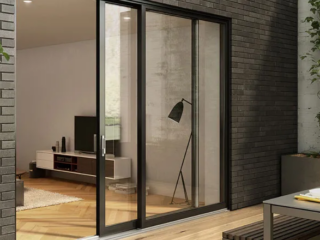
Façades are sacrificial by nature. They absorb UV radiation, temperature swings, wind-driven rain, and pollution, so the structure doesn’t have to. Durable façades don’t mean indestructible ones; they mean predictable aging. Brick, stone, high-performance precast panels, fiber cement, and treated timber all age differently, and none are maintenance-free.

The key is choosing materials while weathering aligns with the project’s lifecycle goals. Some materials patina gracefully, others demand periodic intervention. What matters is clarity. When architects specify façade systems with known maintenance paths, the building stays healthy because owners know what to expect, not because nothing ever goes wrong.
How Roofing Materials Influence Long-Term Structural Health
Roofing decisions quilt shape the survival of everything below. A roof’s primary job is simple: keep water out. Yet material choice affects thermal performance, structural loading, and maintenance cycles for decades.
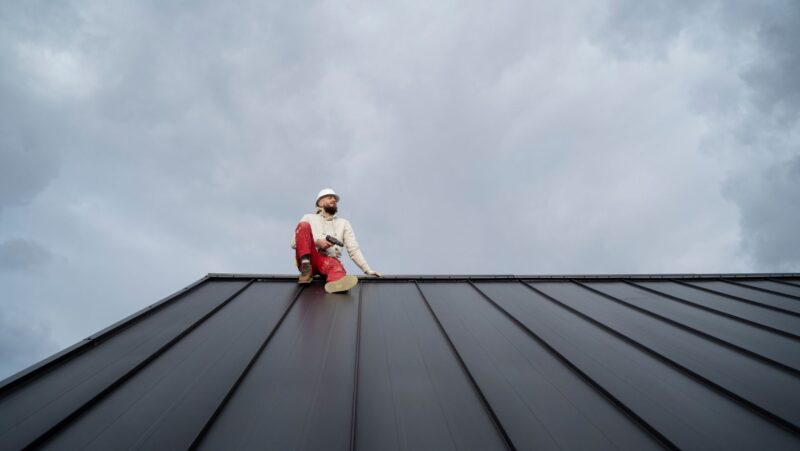
Metal roofs handle expansions well and shed water efficiently. Membrane systems offer flexibility but require vigilant upkeep. Traditional options like slate roofing materials continue to appear in long-lifespan projects, since their performance over time is proven. When properly detailed, these systems reduce moisture penetration, resist UV degradation, and often outlast multiple interior renovations.
How Climate-Responsive Materials Extend Building Service Life
Context matters, and materials that thrive in one climate can fall quickly in another. Freeze-thaw cycles, salt exposures, humidity, heat, and airborne pollutants all accelerate degradation when materials aren’t climate-aligned. Architects who design for longevity think locally, even in globalized supply chains.
Porous materials need protection in wet climates. Metals require coatings near coastal environments. Timber demands ventilation in humid zones. Buildings last longer when materials are selected not just for strength or appearance, but for how they behave under the specific environmental stresses they’ll face every year.
Home Maintenance Realities Should Shape Material Selection
A durable building isn’t one that never needs care; it’s one whose care requirements are realistic. Materials that require specialized maintenance may perform beautifully on paper but struggle in real-world ownership scenarios.
Longevity improves when architects anticipate who will maintain the building and how often. Clear access points, replaceable components, and materials that tolerate deferred maintenance all contribute to extended service life. Architects who design with maintenance in mind aren’t lowering standards, they’re aligning design ambition with operational reality.
Endnote
Longevity is the result of hundreds of small, informed decisions about materials, assemblies, and context. Structural systems at the foundation, façade protect the core, and rods define everything beneath them. When those elements work together, guided by climate awareness and maintenance realism, buildings endure.