The Practical Benefits of Choosing Reflective Insulation for Residential Use
 Roger Morph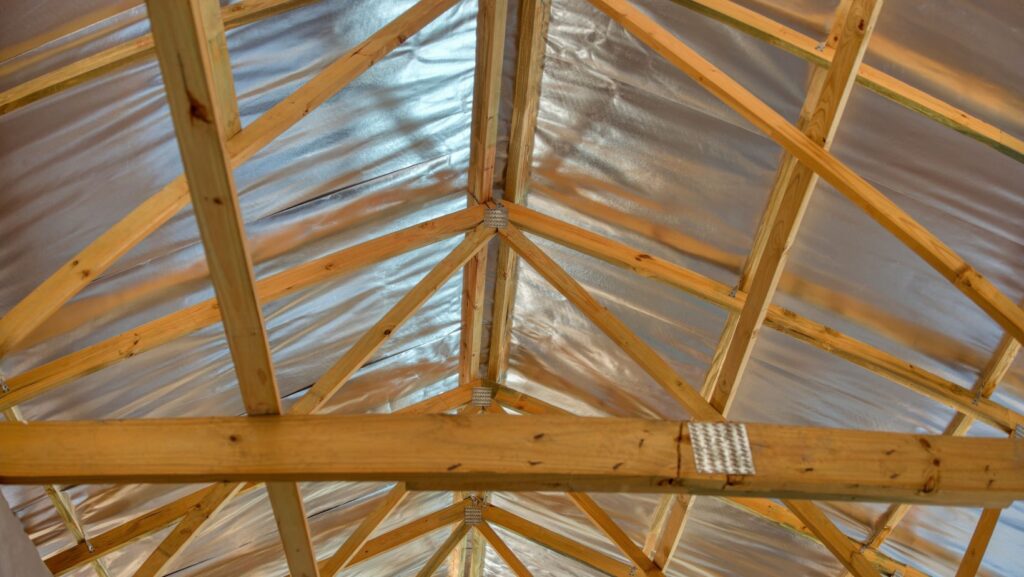
As homeowners seek ways to reduce energy costs and enhance comfort, the role of insulation has never been more crucial. Among various insulation options, reflective insulation stands out for its unique properties that address both heating and cooling challenges. In this article, we’ll delve into the practical benefits of reflective insulation, exploring how it works and why it is an excellent choice for residential use.
Understanding Reflective Insulation
Reflective insulation primarily consists of a reflective foil layer, often paired with durable backing materials. This design is specifically aimed at managing radiant heat, which easily passes through traditional insulation. Unlike conventional insulation materials that are primarily designed to resist conductive heat flow, reflective insulation shines in its ability to reflect radiant energy.
How Reflective Insulation Works
The key to understanding reflective insulation lies in its behavior regarding heat transfer. When radiant heat strikes the reflective surface, it is either absorbed or reflected away from the living space. This process is crucial in homes located in warmer climates, where managing indoor temperatures can significantly reduce reliance on air conditioning.
The science behind it involves two primary processes:
1 Reflection: The foil barrier reflects up to 97% of the heat that encounters it, working best when installed with an air gap, enhancing its overall efficiency.
2 Insulation: While it does not provide insulation in the traditional sense like fiberglass or foam, it effectively reduces cooling loads and heat gain in summer months.
For homeowners considering this energy-efficient option, it’s helpful to view reflective insulation options for homes to understand the various products available that could optimize their property’s thermal performance.
Key Benefits of Reflective Insulation
1. Energy Efficiency
The most apparent benefit of reflective insulation is its potential for energy savings. By minimizing heat gain in the summer and heat loss in the winter, residential spaces can maintain a more stable temperature without excessive reliance on heating and cooling systems. Homeowners often see reduced energy bills, making this option financially appealing.
2. Increased Comfort
Reflective insulation doesn’t just save money; it enhances overall home comfort. By reflecting rather than absorbing heat, these systems help maintain cooler indoor environments during hot months. This translates to a more enjoyable living experience, especially in warmer climates or during particularly hot seasons.
3. Longevity and Durability
The materials used in reflective insulation generally exhibit remarkable durability. Unlike traditional materials that may be prone to moisture damage, mold, or degradation over time, reflective insulation maintains its integrity, ensuring long-term performance. This longevity can relieve homeowners of having to replace or upgrade insulation frequently.
4. Easy Installation
Reflective insulation usually comes in rolls or sheets that are relatively simple to install. Many homeowners opt for DIY installation, particularly in attics and roof spaces, providing an accessible solution for improving their home’s energy efficiency without complicated renovation work. Additionally, its lightweight nature is a significant advantage, reducing the structural load on a building.
Applications of Reflective Insulation in the Home

Attic Spaces
One of the most common applications for reflective insulation is in attic spaces. When installed beneath roof rafters or above traditional insulation, it can dramatically reduce heat buildup, which is particularly beneficial in hot climates. This setup can keep the home cooler and lessen the strain on HVAC systems, leading to longer equipment lifespans.
Walls and Roofs
Reflective insulation can also be used in walls and on roofing, particularly in new build or renovation projects. In roofs, reflecting heat away ensures that less energy is needed to cool the home, leading to cost savings over time.
Crawl Spaces
In areas with crawl spaces, reflective insulation can be installed to minimize heat transfer through the flooring. This approach also helps control moisture, which is an added benefit for maintaining overall air quality.
The Environmental Impact
As energy efficiency becomes ever more vital to sustainability efforts, reflective insulation contributes positively to the environment. By reducing household energy consumption, homes equipped with reflective insulation can lower their carbon footprint. This is an often-overlooked aspect but is essential in today’s context of climate change and environmental consciousness.
Conclusion
Reflective insulation provides compelling advantages that are particularly beneficial for residential use. From energy efficiency and comfort to ease of installation and durability, it covers a myriad of homeowner needs. As more people seek sustainable, cost-effective solutions for their homes, reflective insulation emerges as a favorable choice worth considering.