Jennifer Jung
As the last of the winter snow melts away and the first buds of spring appear, homeowners eagerly open windows to let in fresh air. This seasonal shift is the first real test for a home’s cooling system after months of hibernation. When you switch your thermostat from “heat” to “cool,” the hidden issues that have been developing all winter long often make themselves known. While a spring tune-up is highly recommended, being aware of the specific problems that crop up during this season can help you address them early. By catching them early, you can often avoid more costly repairs down the line and ensure your system is ready for the demanding heat of summer.
Below are the six hidden HVAC issues homeowners only notice in spring:
1. Capacitor Failure
After months of inactivity, the first time your air conditioner tries to kick on can be a shock to its system literally. The capacitors, which are essentially batteries that help start the compressor and fans, can lose their charge over the winter. If you hear a clicking sound but the unit won’t turn on, or if it hums but the fan doesn’t start spinning, a failing capacitor is a common culprit. This is a relatively inexpensive fix, but ignoring it can put unnecessary strain on the more expensive motor.
Capacitors are particularly vulnerable to temperature extremes, and the wide swings between freezing nights and warming days can accelerate their deterioration. Ultimately, staying ahead of HVAC maintenance is a key to a comfortable and efficient home by ensuring the capacitor functions properly in the long run.
2. Refrigerant Leaks
Refrigerant is the lifeblood of your air conditioner, and it’s meant to last the lifetime of the system. However, tiny leaks can develop in the coils or connections, often exacerbated by the contraction and expansion of materials during the freeze-thaw cycles of late winter. By spring, the refrigerant level may be low enough to significantly impact cooling performance.
If your system is running but the air isn’t getting cold, or if you notice ice forming on the refrigerant lines even in mild weather, a leak is likely the problem. These leaks can reduce cooling capacity and cause the compressor to overwork and fail prematurely, leading to one of the most expensive repairs in the HVAC industry.
3. Dirty Condenser Coils
Over the fall and winter, your outdoor unit is exposed to the elements. Leaves, twigs, dirt, and even the remains of a friendly neighborhood animal can accumulate on the condenser coils. When you start the system in spring, these dirty coils act as an insulator, preventing heat from escaping your home efficiently. This forces your system to work harder and longer to achieve the desired temperature, leading to higher energy bills and premature wear on the compressor.
Over the fall and winter, your outdoor unit is exposed to the elements. Leaves, twigs, dirt, and even the remains of a friendly neighborhood animal can accumulate on the condenser coils. When you start the system in spring, these dirty coils act as an insulator, preventing heat from escaping your home efficiently. This forces your air conditioning system to work harder and longer to achieve the desired temperature, leading to higher energy bills and premature wear on the compressor.
Regular cleaning of these coils can improve system efficiency, making it one of the simplest yet most effective maintenance tasks you can perform as a homeowner. However, for a comprehensive assessment, a professional HVAC technician can also evaluate related components that impact indoor air quality, identify potential airflow problems, and listen for any strange noise emanating from the unit that might indicate a more serious underlying issue.
4. Aging Air Filter
This might seem obvious, but the filter that was adequate for winter heating can quickly become a problem for spring cooling. A filter clogged with winter’s dust and dander restricts airflow, which is the number one cause of frozen evaporator coils. When airflow is low, the coil gets too cold, and the moisture in the air freezes on it, forming a block of ice. This insulates the coil and prevents it from absorbing heat, forcing your system to run constantly without effectively cooling your home. Checking and replacing the filter monthly during peak cooling season is a small habit that yields significant returns in system performance and longevity.
5. Sensor and Thermostat Issues
Spring is a time of widely fluctuating temperatures, such as warm afternoons and cool evenings. This can expose calibration issues with your thermostat. A thermostat that isn’t level or has internal dust may not read the temperature accurately, causing short cycling (turning on and off too frequently) or running much longer than necessary.
Additionally, the wiring connections can loosen over time, leading to intermittent operation or complete communication failure between the thermostat and the HVAC system. Upgrading to a programmable or smart thermostat can resolve these issues and provide greater control and energy savings throughout the season.
6. The Unsound System: Unusual Noises
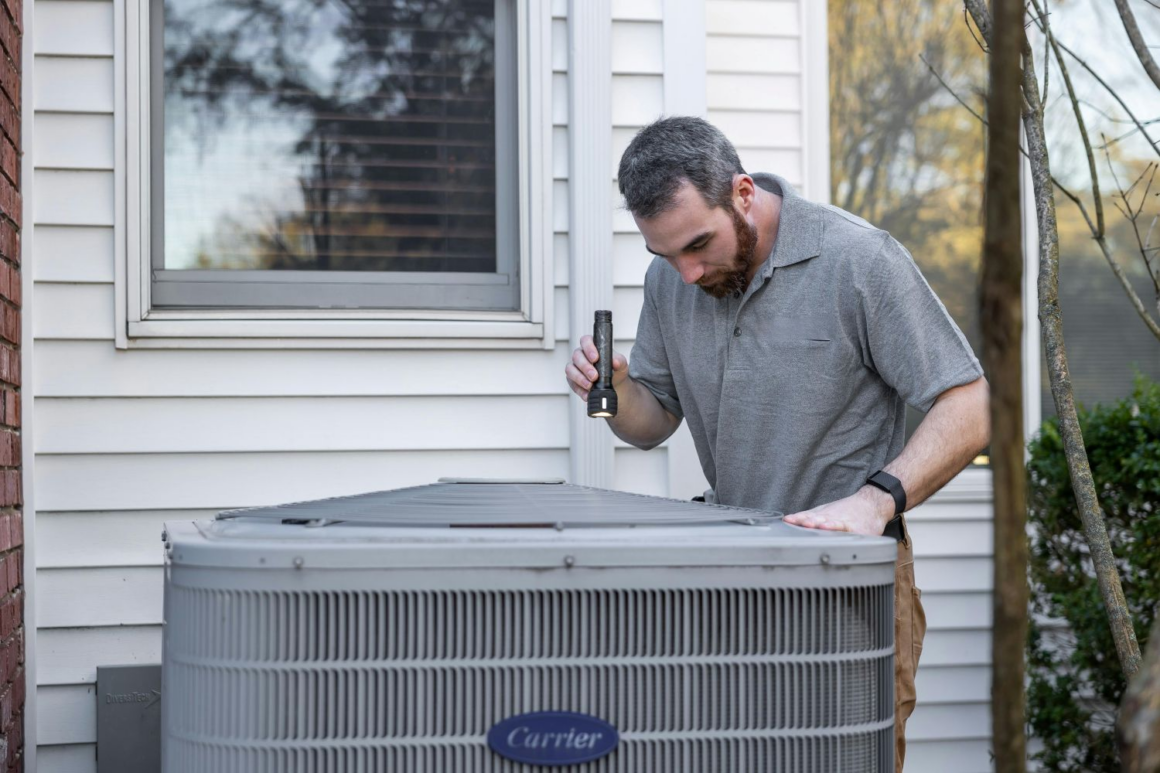
When your system is running constantly in winter, you might become accustomed to its sounds. But after a quiet spring day, turning on the AC makes new noises particularly noticeable. A squealing sound can indicate a worn-out bearing in the blower motor or fan. A rattling noise might be a loose panel or a foreign object in the unit.
A banging sound could signal a serious issue with the compressor or a loose component. These auditory cues are your system’s way of telling you something is wrong. Paying attention to these sounds and having them investigated promptly can prevent minor issues from escalating into major HVAC repairs.
Key Takeaway
Catching these hidden issues early can save hundreds of dollars in energy costs and prevent a complete system breakdown during the first heatwave. Whether it’s a simple fix like cleaning the coils or a more complex repair like sealing ductwork, addressing spring HVAC problems promptly ensures a cool, comfortable, and worry-free summer.