Roger Morph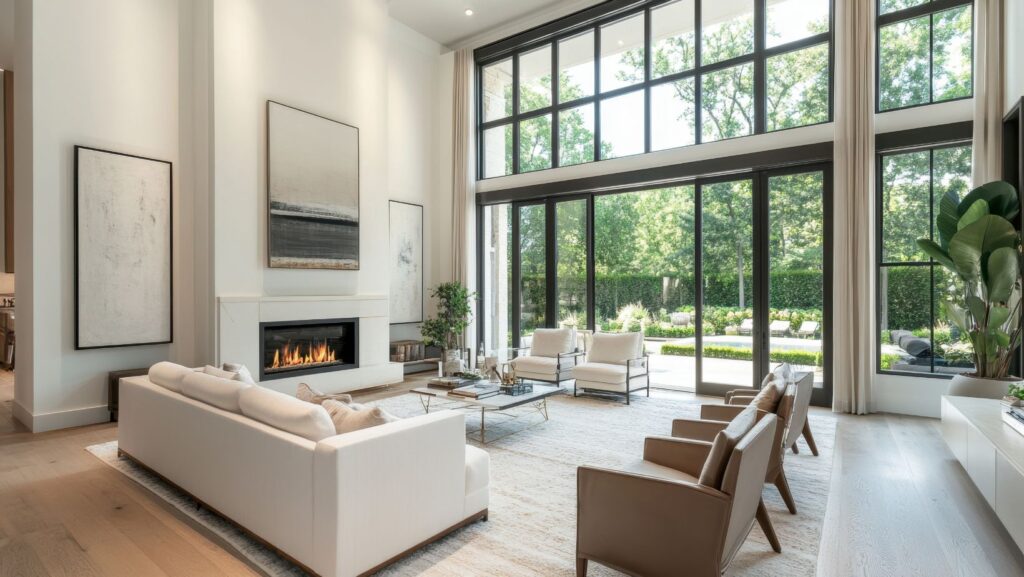
Open-plan living has become a defining feature of modern Australian homes, offering a natural flow between cooking, dining, and relaxing zones. But with fewer walls to guide your furniture placement, it’s not always easy to create a space that feels inviting, functional, and cohesive. The good news? With a few intentional design choices—and the right furniture pieces, such as thoughtfully chosen designer armchairs—you can shape an open-plan area that feels both stylish and comfortable.
Below are practical and effective layout ideas that make open-plan living genuinely work for everyday life.
Use Furniture to Define ‘Zones’
In an open-plan space, furniture becomes your best tool for creating structure. Positioning your sofa to face inward, for example, can mark the beginning of your living zone. A rug placed under the coffee table can further anchor this area, while a dining table set parallel to the kitchen bench naturally distinguishes the dining zone.
To enhance visual separation without blocking the openness, consider using open shelving, low-profile cabinetry, or a pair of statement chairs to frame each section.
Float the Furniture—Don’t Push It Against the Walls
Many people assume open-plan layouts require furniture flush against the walls, but floating your pieces can create a more balanced, cosy, and conversational atmosphere. Place your sofa centrally in the room with a walkway behind it, or angle chairs slightly to soften the geometry of the space. Floating furniture also helps to manage the scale of large rooms, preventing the space from feeling empty or disconnected.
Create a Focal Point (Or Two)
Open-plan areas often feel overwhelming without a clear focal point. Whether it’s a fireplace, a feature wall, a large artwork, or the TV unit, anchoring the space around one main feature helps pull the layout together. In larger open-plan homes, you can even create dual focal points—one for the living zone and another for dining or entertaining—to establish a sense of purpose in each section.
Choose Multi-Functional Furniture
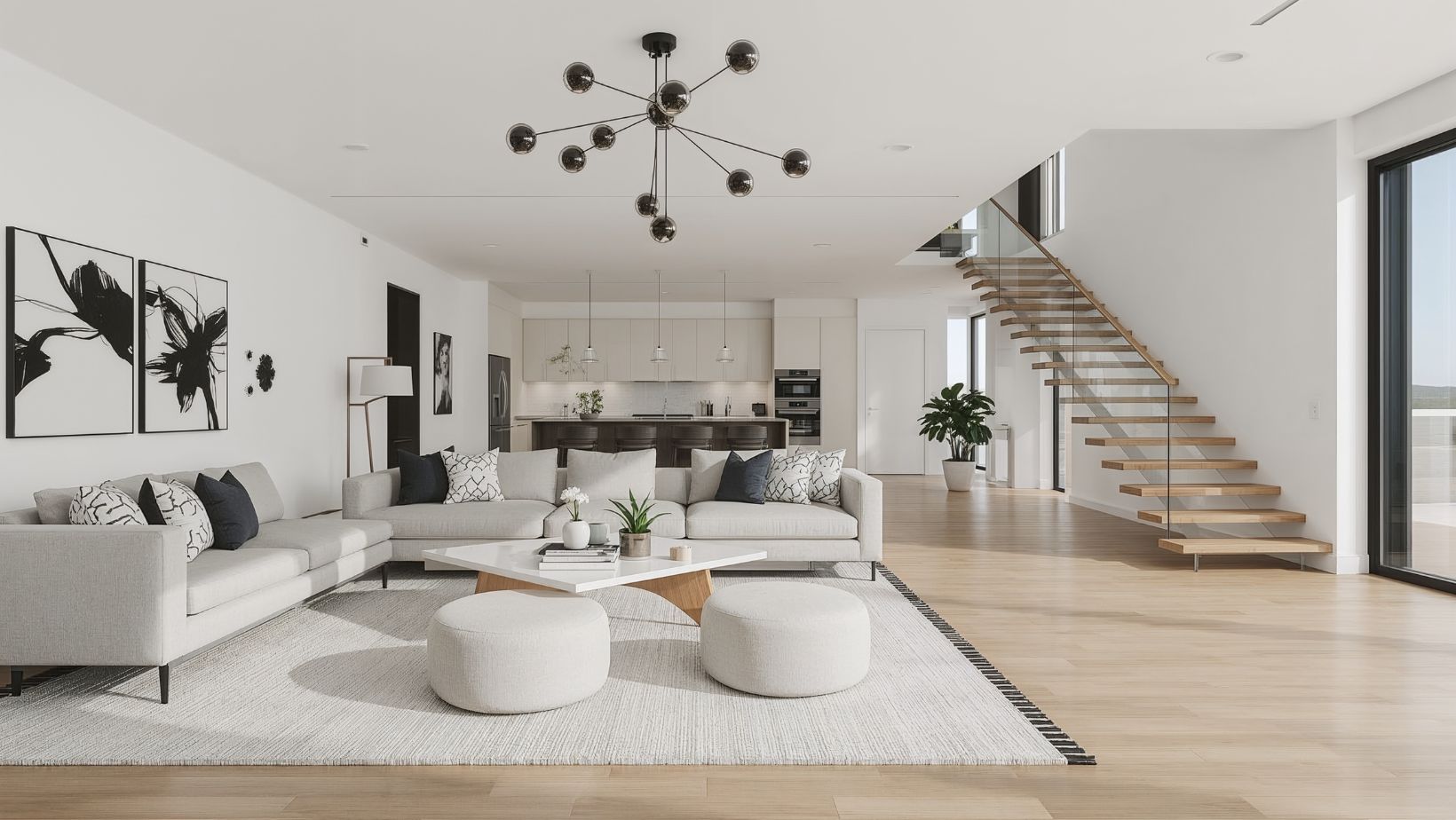
When the same room serves multiple purposes, it’s worth choosing furniture that adapts with you. Nested coffee tables, extendable dining tables, ottomans with hidden storage, and modular sofas can all help maximise flexibility and practicality. Pieces like occasional chairs or compact side tables can also be moved easily between zones depending on the number of guests or the activity happening in the space.
Use Lighting to Shape the Mood
Lighting plays a huge role in open-plan layouts. You can dramatically influence how each zone feels simply by layering and positioning lights thoughtfully.
Consider:
- Pendant lighting to define the dining area
- A floor lamp beside the sofa to create ambience
- Recessed lights for consistent brightness across the full space
- Accent lighting to draw attention to artwork or architectural features
Good lighting gives your open-plan home versatility—bright when you need it, soft and warm when you want to relax.
Balance Scale and Proportion
Large, open rooms call for furniture with the right proportions. Oversized sofas may overpower small open-plan apartments, while tiny furniture gets lost in expansive homes with high ceilings. Aim for pieces that complement the volume of the space while maintaining flow around walkways. Mirroring shapes and sizes across zones—such as pairing a large dining table with a generously sized lounge—helps the layout feel intentional and harmonious.
Keep the Colour Palette Cohesive
While each zone should have its own feel, a cohesive colour palette ties the entire open-plan area together. You don’t need to use the exact same tones everywhere; rather, repeat colours, materials, or textures throughout the space. For example, timber dining chairs could echo the timber legs of your lounge furniture, while soft neutrals in the living area cushions could carry through to the pendant lights above the kitchen.
Add Personality Through Layering
Open-plan rooms can appear flat if everything feels too uniform. Bringing in layers—cushions, throws, textured rugs, indoor greenery, warm timber, and ceramics—adds depth and personality without interrupting the flow. These finishing touches help soften large, open spaces and make them feel like a cohesive home rather than three distinct zones sharing a floor.
Creating an open-plan living room layout that actually works is all about thoughtful zoning, proportion, and flow
With the right mix of furniture, lighting, and visual balance, your home can feel airy and open while still offering warmth and structure. And by incorporating standout pieces like quality designer armchairs, you not only elevate comfort but also introduce an anchor point that enhances the overall style of the room.