Crafting the Space: How 3D Modeling Helps Implement the Boldest Design Ideas
 Roger Morph
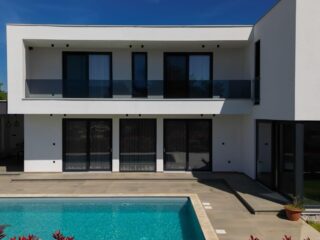
In today’s fast-paced world, where visual solutions customize everyday choices, a 3D modeling service can favour customers to the greatest extent. This design toolkit has already found its place in the sun across a wide range of industries, including interior design, architecture, and cinematography.
So, how do the experts with bold ideas on perfect spaces use 3D modeling? Let’s figure it out in this article.
3D Modeling and Creative Spaces
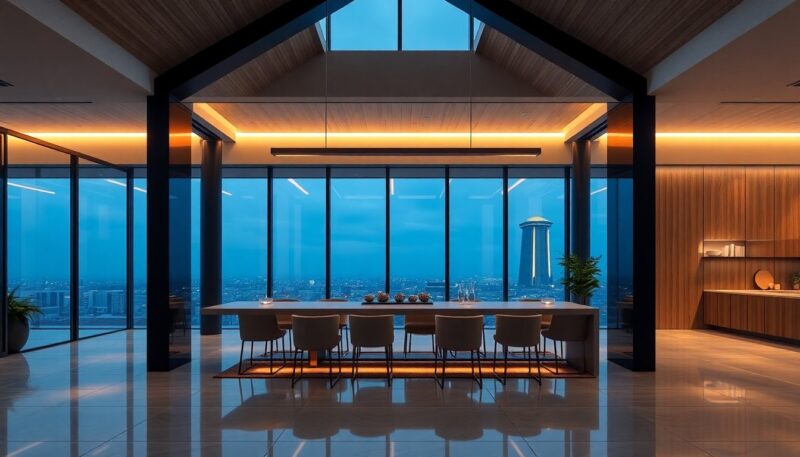
The one-of-a-kind 3D technology, identified as CAD (Computer Aided Design), is used to generate three-dimensional images of public and private spaces through specialized software. What once seemed inconceivable back in the day has turned into a new chapter, advocating for stunning 3D interior concepts.
From the start, the 3D modeling process goes beyond bricks and walls, fabricating a vibrant representation of your prospective dwelling. Each detail should be taken into account, as clients observe the development process with their own eyes. This immersive experience is a raw benefit of imagery, which penetrates your personal journey to your dream space.
Rewriting the Rules for Home Decor
This cutting-edge technology rises above simply completing a technical task. First, it enables you to experience what a particular room will look like before its construction or renovation even kicks off. Second, 3D visualization is actively utilized not only to demonstrate the future look of the house, but also to add more details, select appropriate materials, lighting, and furniture.
Marking a real revolution in the industry, 3D interior visualization fosters a deeper connection between the designer and the client. What does this mean?
Thanks to innovative software, clients can get an accurate idea of the future premises, and the designer has the opportunity to make adjustments at any stage of the project without hassle.
This tight cooperation not only saves time and money but also provides clients with confidence that the results will surpass their expectations and that mutual efforts will bring chosen design concepts to life.
Visualizing Future Spaces Without Boundaries
One may let their fantasies unwind with 3D modeling when it comes to their dream residence. Special programs like AutoCAD, 3ds Max, and SketchUp can generate the virtual space as close as possible to reality, while avoiding unnecessary add-ons to your interior.
One mind-blowing step in interior design is the introduction of virtual reality (VR). The second the client puts on a VR helmet, they travel in time while observing their future interior. A customer’s main task is to identify the details and transform the space according to their preferences.
Undeniably, VR reality expands design options, upscaling every home and redefining purpose-built accommodation. All in all, 3D visualization cuts down errors and misunderstandings that might arise during a working process.
Spheres for Application
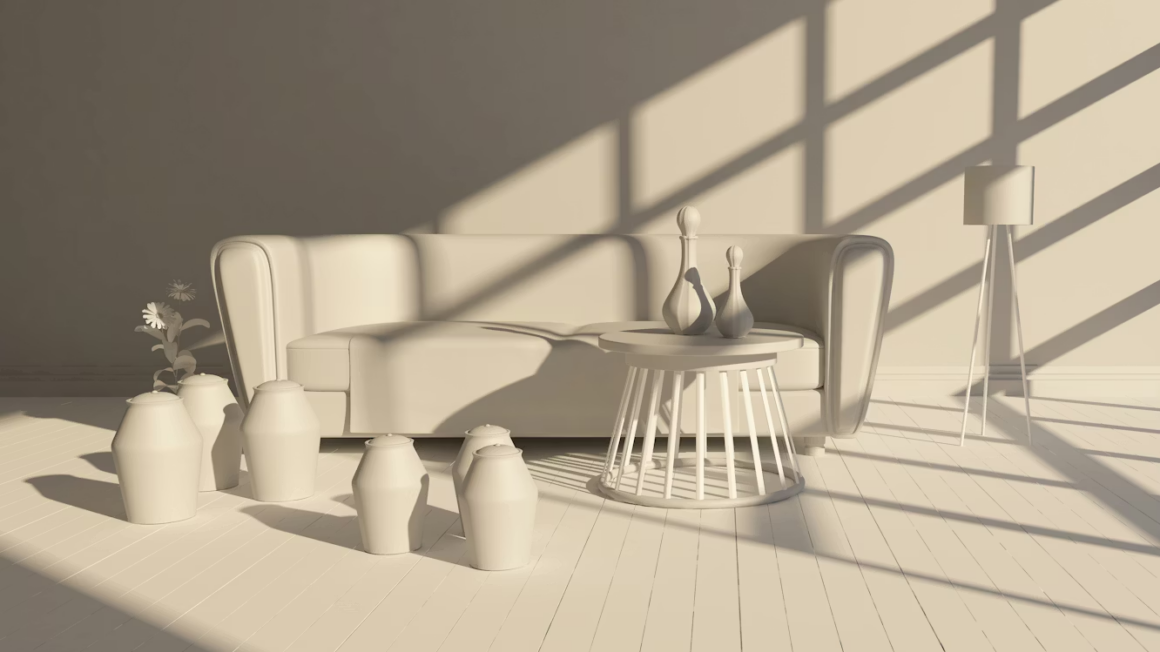
There are three core areas for 3D applications within interior design:
- Private Houses and Apartments. Dedicated to the creation of comfy personal sanctuaries, product 3d visualization serves as a contemporary way to produce crafted areas tailored to your personal requirements.
Example: For instance, you are struggling with the choice of color palette in your upgraded living room. With a 3D model, a designer can apply various textures to surfaces to find your perfect match for the upcoming transformation.
- Commercial Objects (Restaurants, Offices, Parks, and Shops). For these premises, 3D modeling serves a slightly different purpose‒ convincing potential investors of the project’s prospects and representing the best look when it comes to viewing the property.
Example: A virtual tour of a modernistic place is a good example of how to generate investment and spark interest in your creation. Demonstrate what areas will be offered for prospective customers and ensure your 3D visualization promotes your business to the fullest.
- Construction companies. Today, a great number of construction companies offer their clients 3D visualization of future objects to coordinate all the details before getting down to work and avoiding differences of opinion in the future.
Example: If the changes to the initial building contract are on the way, the client’s vision can be implemented on the spot, reducing finances and allowing for a schedule update if necessary.
Don’t Take 3D Modeling for Granted
3D visualization opens up a window of opportunities that are difficult to overestimate:
- Realistic Preview. With the help of a 3D model, you can observe not just a room plan, but a comprehensive image of the interior with all the details: arrangement of objects, lighting, and materials. This helps to avoid pitfalls when selecting size, color, and product assembly.
- Minimizing Time and Costs. 3D visualization allows you to anticipate potential mistakes at the design stage, for example, by choosing too thick walls or bulky furniture. Everything can be corrected before the start of the repairs, economizing both time and cash.
Conclusion
3D visualization is a golden chance to inspect the interior before the start of work and be aware of every single detail. Ultimately, client-focused solutions are a top priority regarding space design, and 3D tools give a helping hand in this process.