Zyrendral Xythorian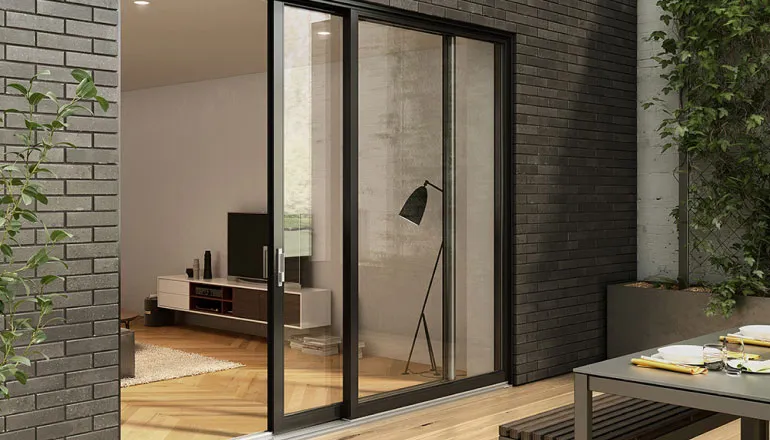
In Canadian homes, temperature comfort near exterior living areas is often shaped by details that are easy to overlook. Homeowners may notice that a room feels cooler in winter or warmer in summer, even when the heating or cooling system is working correctly. In many cases, the cause is not the system itself, but the large opening that connects the interior to the outdoors.
This is especially true for patio doors. Because they typically include wide glass surfaces and sit directly between conditioned indoor space and fluctuating outdoor temperatures, they can noticeably influence how warm or cool a living area feels, particularly near seating zones, dining tables, or open-plan layouts.
Why Temperature Differences Are Felt Near Patio Doors
Patio doors behave differently from insulated walls. Glass, frames, and seals respond more directly to exterior conditions, which can create localized temperature changes. In winter, interior glass surfaces may feel cooler, while in summer, solar exposure can raise temperatures near the door.
These effects are often limited to the immediate area around the door, which is why discomfort can be felt in one part of a room while the rest remains comfortable.
Glass Surface Temperature and Comfort
Interior glass temperature plays a major role in how a space feels. Cold glass draws heat from the surrounding air and nearby occupants, creating a subtle but persistent chill. This can happen even when the thermostat indicates a comfortable room temperature.
Modern patio doors reduce this effect through insulated, multi-pane glass. Low-emissivity coatings help keep the interior pane warmer in winter and limit heat gain in summer. As a result, the air near the door feels more stable, and seating areas close to the opening become more usable year-round.
Because patio doors often include large glass surfaces, they can influence the indoor temperature near exterior spaces. Energy.gov notes that energy-efficient doors with insulated frames and low-E glass help reduce heat loss and temperature swings, improving comfort in areas closest to the door.
Air Leakage and Draft Sensation
Discomfort near patio doors is not always caused by heat transfer through glass. Even small amounts of air leakage around frames or meeting rails can create drafts, making a space feel colder than it actually is.
Older door systems are especially prone to this issue. Modern patio doors use improved sealing and tighter tolerances to limit uncontrolled air movement. When properly installed, these systems stabilize the microclimate near the door and reduce draft-related discomfort.
Frame Materials and Seasonal Movement
Frame material affects how well patio doors maintain their seals over time. Materials such as vinyl, fiberglass, and composites tend to offer better thermal resistance and dimensional stability than uninsulated metal frames.
In Canada’s climate, seasonal expansion and contraction can loosen seals if frames are not designed to accommodate movement. Stable frame materials help preserve insulation performance and consistent comfort near the door.
Orientation and Solar Gain
Patio doors are often placed to maximize daylight and outdoor views, which means solar exposure can also affect indoor temperature. South- and west-facing doors may contribute useful passive heat in winter, but cause overheating in summer if not properly specified.
Glass coatings, shading, and orientation all influence whether solar gain improves comfort or creates temperature swings near living areas.
Installation Quality Matters
Even high-quality patio doors can underperform if installation is rushed or imprecise. Gaps around the frame, poor insulation, or improper flashing can create thermal bridges that undermine comfort.
These issues often appear as cold floors, condensation near the frame, or uneven temperatures close to the door. Proper installation is essential to ensure that the door performs as intended in everyday use.
A Practical Perspective
Patio doors have a unique impact on indoor temperature because of their size, glazing, and direct exposure to outdoor conditions. In Canadian homes, that impact is felt most clearly in living areas closest to the door.
When designed and installed with attention to glass performance, sealing, and orientation, patio doors can maintain stable temperatures without sacrificing light or openness. Understanding these factors helps homeowners make informed decisions. It explains why comfort near living areas often improves — or declines — based on the door alone.