Jennifer Jung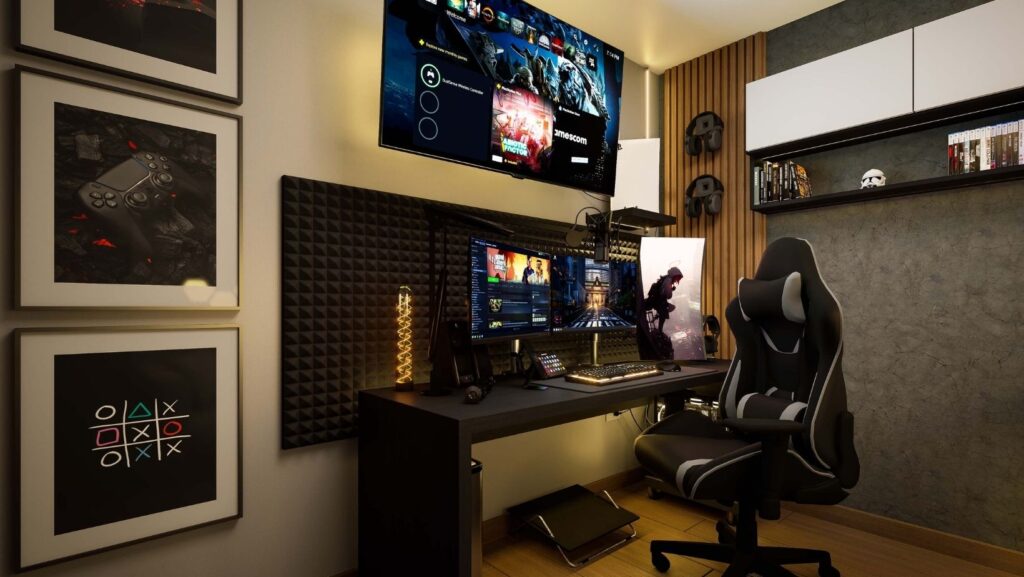
Creating a play room at home means designing a space that combines comfort, personality, and entertainment. It’s not just about choosing a few pieces of furniture or adding a console, but about building a coherent, welcoming, and functional environment where every element contributes to the overall experience. A well-designed play room can become the ideal place to relax, host friends, play games, watch sporting events, or spend evenings doing something different without leaving the house.
The first aspect to consider is the identity of the room. Even before purchasing furniture and accessories, it’s worth defining the overall style. Some people prefer a modern and minimalist approach, with clean lines and dark colors, while others want a more scenic atmosphere with vintage references, luminous details, and textured surfaces. In both cases, visual coherence is essential because it makes the environment feel more refined and strengthens the feeling of entering a space that is distinct from the rest of the home.
Materials And Finishes: The Foundation Of A Well-Designed Play Room
Materials play a central role in the final result of a play room. For the walls, you can choose matte washable paints in shades such as deep teal, forest green, anthracite gray, or intense taupe—colors that add depth and help create an intimate atmosphere. If you want to add character, you can include decorative wooden panels, modern wall paneling, or stone- or brick-effect coverings, as long as they are used in a balanced way.
The flooring also has a strong impact on both comfort and aesthetics. Wood-effect porcelain stoneware is a practical and durable solution, ideal if the room is used frequently and needs to be easy to clean. Alternatively, parquet flooring brings warmth and elegance, especially when paired with large, soft rugs. In more contemporary play rooms, resin flooring also works very well, offering a clean, uniform, and slightly dramatic look. The best choice depends on how the room will be used, but it is important to prioritize surfaces that are durable, easy to maintain, and capable of handling everyday life.
Lighting And Atmosphere: How To Make The Space Truly Immersive
Lighting is one of the most important elements in transforming a simple room into a true play room. A single, overly bright central light can flatten the environment, while a layered lighting design creates depth and atmosphere. The ideal solution is to combine ambient lighting, accent lighting, and decorative illumination. Adjustable spotlights, floor lamps, LED strips placed behind furniture or screens, and warm light sources in relaxation areas help shape the space in a dynamic way.
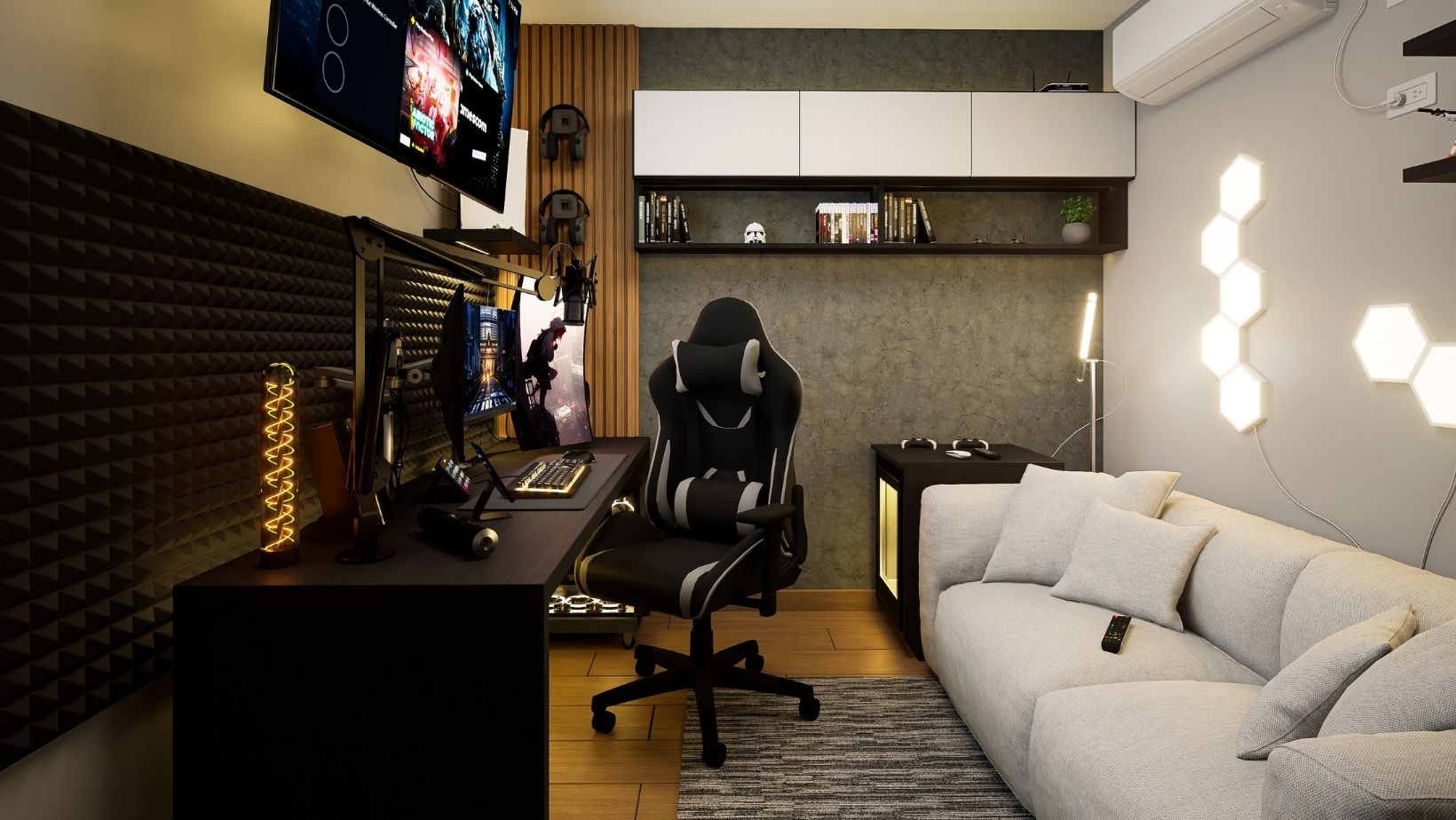
Adjustable lighting is particularly useful because it allows you to change the mood depending on the moment. For a quiet evening, you can opt for soft, diffused lighting, while for social occasions you can slightly increase the intensity. The color of the light also matters: warm, soft tones make the room feel more elegant, while a few colored lighting details can add energy and a more spectacular touch without making the space feel overwhelming.
The Digital Area: A Space Dedicated To Online Entertainment
In a contemporary play room, it can make sense to integrate a well-equipped internet area designed for accessing online entertainment in a comfortable and organized way. This space can be used to follow events, interactive content, sports matches, and online platforms dedicated to digital entertainment-for example portals such as Admiral Bet and similar websites accessible via the internet, along with streaming services, gaming communities, or other interactive content.
A compact desk or an elegant console, a comfortable chair, a stable internet connection, a generously sized monitor, and a well-calibrated audio system can transform a simple technical corner into a coherent part of the room. To maintain a high visual standard, it is helpful to hide cables, choose coordinated accessories, and add atmospheric lighting in this area as well. In this way, the digital zone does not feel like a foreign element, but rather a natural extension of the play room. The result is a complete leisure space, to be enjoyed in balance without sacrificing style.
Furniture, Decorations, And Comfort: The Character Of The Room
A play room should be visually appealing but, above all, pleasant to live in. For this reason, furniture should be chosen by balancing aesthetics and comfort. A spacious sofa, ergonomic armchairs, or compact yet welcoming seating options are essential to make the space enjoyable for several hours. Coffee tables, storage units, and shelves help organize accessories, games, devices, and decorative objects without creating clutter.
Decorations help personalize the environment and give it a clear identity. Paintings, prints, illuminated signs, mirrors, heavy curtains, and small metallic details can all contribute to making the room richer and more atmospheric. Textiles also play an important role. Cushions, curtains, and upholstery should work well with the overall color palette to maintain a harmonious feel. A large, soft rug placed thoughtfully can define the central area, improve acoustics, and immediately increase the sense of comfort.
The Final Balance Between Functionality And Aesthetics
A successful play room is created through the balance of durable materials, well-planned lighting, comfortable furniture, and coherent decorative details. Floors, rugs, colors, and wall finishes should work together to build an immersive yet practical environment. The goal is not to fill the room with objects, but to give it a clear direction, where every choice helps create a sense of escape within the home.
When everything is designed with care, the play room stops being just an additional room and becomes a space with a true identity. That is what makes the difference: not the accumulation of objects, but the ability to create an atmosphere where design, comfort, and entertainment coexist naturally.