Roger Morph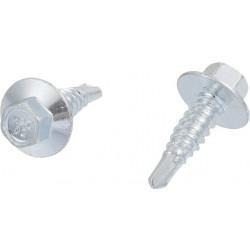
Proper installation of self-drilling screws dictates the durability, tightness, and strength of a joint. Not only is the selection of appropriate fasteners crucial, but so is the assembly method and tightening torque control. In this article, we explain the types of screws used for sheet metal, outline the installation process, and provide guidance on avoiding the most common mistakes.
Types of Self-Drilling Screws
The selection of a suitable self-drilling screw should be adapted to the type of structure, material thickness, and operating conditions. A properly selected fastener ensures a durable joint, minimizes the risk of damaging the sheet metal, and reduces assembly time.
The most commonly used are self-drilling screws equipped with an EPDM washer. The flexible seal effectively protects the fastening point against moisture penetration, ensuring the joint remains watertight even over many years of service. This solution is primarily used in the installation of trapezoidal metal sheets, metal roof tiles, and other roof coverings exposed to precipitation and fluctuating temperatures.
The quality of the material from which the screws are manufactured is equally important. Steel with appropriate parameters ensures resistance to mechanical loads and weathering. When selecting fasteners, attention must be paid to the length, diameter, and drilling capacity specified by the manufacturer. These parameters must correspond to the thickness of the joined components.
Depending on the application, self-tapping screws are also used, where the thread forms a corresponding profile during installation. This allows for a stable joint to be achieved without additional technological operations. A comprehensive range of self-drilling screws can be found in the online catalogs of fastener manufacturers, offering solutions designed for various types of structures.
Installation of Self-Drilling Screws
Proper installation of self-drilling screws requires applying the correct technique and using the right tools. Even a high-quality fastener will fail to deliver the expected results if it is installed with incorrect force or at an improper angle.
It is best to use a drill driver equipped with torque control for assembly. This feature allows for controlling the tightening force and minimizes the risk of damaging the EPDM washer and deforming the sheet metal. An appropriately selected driver bit is equally crucial; it must precisely fit the screw recess. This mitigates the risk of damaging the screw head and tool slippage.
The self-drilling point creates the hole during installation, which means pre-drilling is typically unnecessary. This feature accelerates assembly work and facilitates the creation of joints in steel structures and roofing systems.
During driving, the screw must be guided perpendicularly to the sheet metal surface. Maintaining the correct angle ensures proper thread engagement and an even compression of the sealing washer. Once the EPDM washer comes into contact with the sheet metal surface, the applied pressure should be gradually reduced while controlling the tightening torque. This ensures a watertight joint without damaging the seal.
After fastening the first few screws, it is advisable to evaluate the joint quality and adjust the tool settings if necessary. This practice helps maintain uniform fastening quality across the entire roof or facade surface.
Proper Tightening of Sheet Metal Screws
The tightening torque has a direct impact on the tightness and durability of the joint. Both excessive compression and insufficient driving force can compromise the longevity of the fastening.
A correctly tightened screw should cause a slight flattening of the EPDM washer. The seal will then adhere tightly to the sheet metal surface, retaining its elasticity and sealing properties.
The most frequently encountered situations during installation are:
- Correct tightening – the washer is slightly compressed, forming an even seal around the screw head.
- Overtightening – the washer is excessively compressed or damaged, and the sheet metal may deform. The risk of leaks and corrosion increases.
- Undertightening – the washer fails to adhere properly to the surface, compromising the tightness and stability of the joint.
For individuals performing installations occasionally, adjusting the torque on the drill driver significantly facilitates the work. This feature allows for achieving reproducible results and reducing the number of errors when fastening larger quantities of metal sheets.
Upon completion of the assembly, it is worth verifying whether all screws have been driven perpendicularly and if the washers are evenly compressed. Such an inspection allows for the rapid detection of any irregularities.
How to Drive Screws into Sheet Metal
The best results are achieved when the entire installation process is carried out in a controlled manner—from tool preparation to the final evaluation of the joint quality. Meticulous execution translates into structural durability and the fastening’s resistance to weathering.
Before commencing work, ensure that the drill driver has adequate power and the correctly set tightening torque. The driver bit must perfectly match the screw recess, reducing the risk of damaging the fasteners.
The screw should be positioned at a right angle to the sheet metal surface, and drilling should commence at a constant speed. The self-drilling point creates the hole and prepares the space for the thread, ensuring efficient assembly without the need for pre-drilling.
Towards the end of the driving process, reduce the pressure and monitor the compression of the EPDM washer. Maintaining the appropriate torque ensures a watertight joint without deforming the sheet metal.
The primary principles of proper installation include:
- guiding the screw perpendicularly to the surface,
- applying the appropriate tightening torque,
- matching the screw length and diameter to the material thickness,
- conducting regular quality checks of the executed fastenings,
- using components specifically designed for a given application.
Applications of Self-Drilling Screws
Self-drilling screws are utilized wherever rapid assembly and a durable joint of steel or sheet metal components are paramount. The ability to drill the hole and form the thread in a single operation significantly reduces working time and minimizes the number of tools required.
They are most frequently employed during the installation of trapezoidal metal sheets, metal roof tiles, flashings, sandwich panels, and lightweight steel structures. Models equipped with an EPDM washer guarantee joint tightness, making them widely used in roofing and facade applications.
When selecting the appropriate components, it is necessary to consider the screw length, diameter, thread type, head type, and drilling capacity. These parameters must correspond to the thickness of the joined materials and the nature of the structure. This ensures the joint maintains the necessary load-bearing capacity and resistance to operational loads.
For large-scale projects or non-standard applications, technical support from the fastener manufacturer can also be highly beneficial. Information regarding the product range and solutions for the construction and industrial sectors can be found on the Marcopol website, which provides resources on various groups of fasteners.
Properly selected and installed self-drilling screws enable the creation of durable, watertight, and load-resistant joints. Meticulous assembly, correct tightening torque, and matching the screw parameters to the structural requirements translate into years of service without the need for premature repairs.