Pyrrothian Lyxterand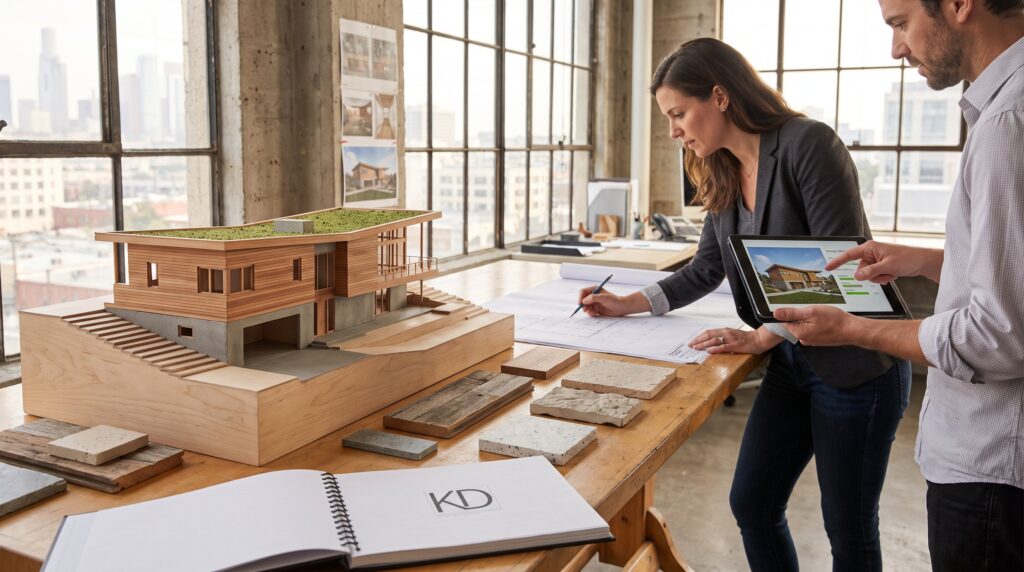
KDArchiStyle is presented by KDArchitects as a distinct design identity. This guide explains whether KDArchiStyle qualifies as an official architectural movement in 2026. It clarifies origins, visual traits, formal recognition tests, and what architects, clients, and preservationists should expect. The piece uses concrete examples, documented sourcing, and practical criteria to separate branded methodology from historically accepted styles. Readers will learn what KDArchiStyle currently is, where it sits in architectural taxonomies, and what would need to change for it to gain wider recognition.
Key Takeaways
- KDArchiStyle is a proprietary architectural approach developed by KDArchitects emphasizing creativity, functionality, and sustainability rather than a fixed visual style.
- Unlike established architectural styles, KDArchiStyle lacks widespread adoption and repeatable formal visual markers, limiting its recognition as a distinct architectural movement.
- KDArchiStyle prioritizes natural materials, simple forms, daylight, and human-centered spatial design adaptable across various building types.
- Clients seeking KDArchiStyle can expect eco-friendly materials, efficient layouts, and sustainability targets tailored by KDArchitects’ specific design process.
- Currently, KDArchiStyle is identified within KDArchitects’ ecosystem and categorized under broader contemporary or sustainable design labels by professionals and preservationists.
- Broader recognition of KDArchiStyle would require adoption by multiple firms, distinctive visual cues, and independent academic validation.
What KDArchiStyle Claims To Be: Origins, Founders, And Key Principles
KDArchiStyle claims to be the proprietary architectural identity developed by KDArchitects, introduced in the early 2010s. KDArchiStyle positions itself as a coherent design philosophy with a public-facing name, promoted across the firm’s projects and partner articles. It credits KDArchitects’ leadership and studio research as founders and drivers of the phrase.
Origins and founders: KDArchiStyle originates inside KDArchitects and appears in the firm’s explanatory pages and project overviews. For readers who want the firm’s own framing, KDArchitects publishes a detailed description of the approach that highlights recurring practices and programmatic choices such as material selection and site response. The firm’s site explains those tenets in depth and functions as primary documentation for the brand identity.
Core principles: KDArchiStyle stresses three consistent priorities: creativity, functionality, and sustainability. The approach favors natural materials, simple forms, daylighting, efficient layouts, and human-centered spatial sequences. It treats style as the outcome of answering programmatic questions, users, climate, context, rather than as a fixed visual template. That philosophical stance appears repeatedly across KDArchitects’ explanatory pages and project write-ups.
Practical note: Because KDArchiStyle lives primarily on KDArchitects’ channels, its definition and propagation are controlled by the firm. That control makes KDArchiStyle’s official firm-label status distinct from independent recognition as a codified architectural movement.
How KDArchiStyle Compares To Established Styles And Classification Criteria
KDArchiStyle differs from canonical architectural styles in scope and diffusion. Established styles, like Classical, Gothic, Modern, or Brutalist, are defined by repeatable formal cues, historical context, and adoption across many practitioners. KDArchiStyle, by contrast, reads as a firm-specific methodology emphasizing sustainability and human experience rather than a fixed visual vocabulary.
Formal differences: Traditional style labels identify recurring features such as specific massing, ornament systems, rooflines, and materials patterns. KDArchiStyle documents repeat clean lines, natural materials, and open daylighted spaces, but it explicitly rejects a single silhouette or literal motif. That makes KDArchiStyle a flexible toolkit rather than a codified visual language.
Diffusion and citation: Outside KDArchitects’ own ecosystem, sources that use the KDArchiStyle label are mostly affiliated blogs, firm pages, and partner sites. Independent academic or textbook citation remains limited. For context on how architectural categories are taught and popularized, one neutral overview of common residential styles highlights how clear visual markers support widespread recognition.
Contextual classification: Many professionals would file KDArchiStyle projects under broader umbrellas such as Contemporary, Sustainable, or 21st-century Modern. KDArchiStyle informs those categories but does not yet displace them as a distinct taxonomic entry.
Visual Hallmarks: Materials, Forms, And Typical Building Types In KDArchiStyle
KDArchiStyle’s visible traits appear consistently across KDArchitects’ portfolios, though they stop short of a strict, repeatable signature.
Materials: The approach favors natural, eco-friendly materials, wood, stone, low‑embodied carbon concrete, and reclaimed finishes, paired with integrated green technologies. This material palette supports the sustainability claims and creates a tactile, warm aesthetic in finished projects.
Forms and spaces: Typical forms include clean rectilinear volumes, generous glazing for daylight, and restrained detailing. Interiors emphasize simple circulation, compact program adjacencies, and visual connection to landscape. The spatial intent is efficient and experiential: short sightlines, layered daylight, and tangible material changes that map program to feeling.
where KDArchiStyle sits within wider architecture distinguishes the practice’s own identity from formally recognised architectural styles. Building types: KDArchiStyle shows up across residential, commercial, and small civic work. KDArchitects describes five adaptable expressions for different clients and sites, which explains why a seaside house and an urban adaptive‑reuse project can both be KDArchiStyle yet look different. That adaptability supports client customization but weakens the claim to a single visual identity.
Assessment: These hallmarks place KDArchiStyle near contemporary sustainable design trends. They are descriptive and useful for clients seeking KDArchitects’ work, but not unique enough yet to serve as diagnostic criteria for independent classification.
Practical Implications For Architects, Clients, And Preservationists
KDArchiStyle functions as a practical framework for design teams and a brand promise for clients. Architects can adopt its methods without invoking the label: clients can use the name to request KDArchitects’ specific process.
For architects: KDArchiStyle provides a repeatable workflow, program-first analysis, sustainability targets, and human-centered detailing. Firms adapting those methods will find them compatible with broader labels like Contemporary or Sustainable. Professionals evaluating a KDArchiStyle brief should look for documented sustainability metrics, material specifications, and proven spatial performance in precedents.
For clients: Hiring KDArchitects and requesting KDArchiStyle signals a preference for simple forms, daylight, and eco-friendly choices. Clients should expect clear material schedules, quantified sustainability goals, and user-focused layouts. If a client wants a named, widely recognized style on resale listings, they should be aware that MLS or appraisal descriptions may default to broader categories.
For preservationists and historians: KDArchiStyle currently lacks the independent scholarship that would support a discrete historical category. Buildings by KDArchitects are more likely to be cataloged under Contemporary or Early 21st‑century sustainable tendencies in inventories. The KDArchiStyle relationship with the KDArchitects practice determines where firm-level documentation and project imagery are maintained.
Evidence and resources: KDArchitects’ site provides in-house descriptions of the signature styles and practice methods. Additional profiles and project photos on independent directories document the firm’s work and client reviews.
Conclusion: Is KDArchiStyle Recognized — Now And Going Forward
Current status: KDArchiStyle is a named, documented design philosophy within KDArchitects’ ecosystem but not a broadly recognized architectural movement in mainstream history or classification.
What would change recognition: Wide adoption by multiple firms, repeatable visual markers across independent projects, and impartial academic or critical treatment would shift KDArchiStyle toward recognized status. Until then, it serves as a branded contemporary, sustainable approach rather than a canonical style.
Practical takeaway: Clients and architects can rely on KDArchiStyle as a useful framework for sustainable, human-centered buildings. Historians and preservationists will likely continue to classify such buildings under broader contemporary categories unless the label spreads and gains independent scholarship.