How To Choose The Right Landscaping Glue For Rocks: Secure, Weatherproof Solutions For 2026
 Pyrrothian Lyxterand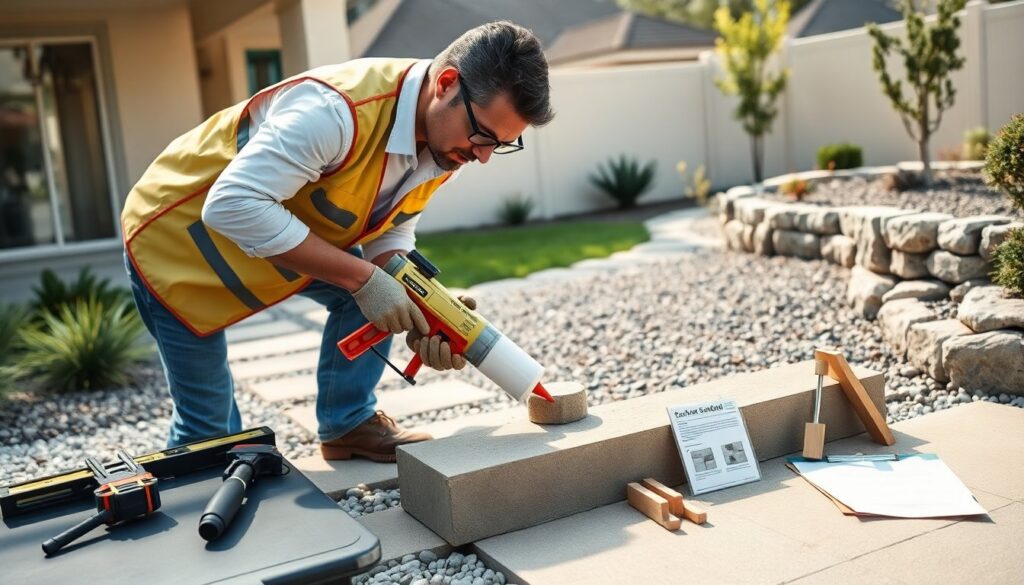
Landscaping glue for rocks helps secure stones in yards and paths. This guide explains product types, selection steps, and simple application tips. Readers will learn which glue works for heavy stones, which resists freeze-thaw cycles, and how to get long-lasting bonds with minimal tools.
Key Takeaways
- Landscaping glue for rocks secures stones outdoors by resisting water, UV, and temperature changes for durable bonds.
- Polyurethane adhesives are ideal for porous stones and heavy pavers, expanding as they cure to fill gaps and strengthen bonds.
- Two-part epoxy provides the strongest hold for load-bearing stones, while hybrid adhesives offer flexibility on mixed materials.
- Choosing the right glue depends on rock type, load, environmental conditions, and cure time to ensure reliable, long-lasting results.
- Proper surface preparation, application technique, and curing conditions are critical to maximize the effectiveness of landscaping glue for rocks.
- Following safety guidelines and manufacturer instructions helps achieve secure installations and reduces future repairs.
What Is Landscaping Glue For Rocks And When To Use It
Landscaping glue for rocks refers to adhesives designed for outdoor stone work. Professionals use the glue to fix loose stepping stones, secure rock walls, and attach decorative stones to hardscapes. Homeowners use the glue to stabilize garden borders and repair chipped stone. The glue often resists water, UV light, and temperature swings. Users choose this glue when mechanical fasteners cannot reach, when mortar is too heavy, or when a cleaner look matters. The glue reduces movement and prevents trip hazards. It also speeds up small repairs compared with mixing cement.
Top Types Of Adhesives For Outdoor Rock Projects
Buy the correct adhesive for the rock type and exposure. Polyurethane adhesives work on porous and some slick stones. Epoxy bonds give high shear strength on many surfaces. Hybrid adhesives combine qualities from different chemistries. Silicone adhesives resist water but they allow some movement and have low shear strength. Construction mastics hold light decorative stones. Fast-curing products let crews finish work in one day. Slow-curing adhesives allow repositioning and yield stronger final bonds in many conditions. Read product data sheets. Match the cure profile to the temperature and humidity at the site.
Polyurethane Construction Adhesives: Strengths, Limitations, And Use Cases
Polyurethane adhesive bonds well to porous stone and concrete. Contractors prefer the glue for vertical rock veneers and heavy pavers. The adhesive expands slightly as it cures. Expansion helps fill gaps and increases contact area. The glue resists water after full cure. The adhesive can fail if the surface contains oil, dust, or frost. The glue often needs primer on very dense stone. The adhesive can yellow under strong UV, but the bond usually stays intact. Users should wear gloves and protect eyes when applying the adhesive.
Epoxy And Hybrid Adhesives: When To Pick Two-Part Bonds
Epoxy gives the highest strength for glued rock joints. Professionals pick epoxy for load-bearing steps and large boulders. The glue forms rigid bonds and resists chemicals. Two-part epoxy cures predictably when mixed in the right ratio. The glue needs clean, dry surfaces and correct temperature. Some epoxies lose strength below their recommended cure temperature. Hybrid adhesives offer lower stiffness and better movement tolerance than epoxy. Hybrids perform well on mixed materials, such as stone to metal. Users should test a small area before doing the full installation.
How To Choose The Right Glue For Your Specific Rock Landscaping Job
Identify the rock weight, porosity, and expected loads first. Match the adhesive sold for outdoor stone and check the manufacturer’s temperature range. Select epoxy for structural holds and polyurethane for broad-surface bonds. Choose silicone for water-exposed trims where movement will occur. Verify cure time against project timelines. Check salt and freeze-thaw resistance for coastal or cold sites. Confirm the adhesive adheres to the stone species by testing a sample. Factor cost per joint and tool needs. The right glue reduces callbacks and repair time.
Step-By-Step Application And Best Practices For Long-Lasting Bonds
Plan the work and gather the right tools. They should use gloves, cleaners, a caulk gun, mixing nozzles, and clamps or wedges. They should follow the adhesive label and safety data sheet. They should apply the adhesive evenly and avoid air pockets. They should control joint thickness to the range recommended by the maker. They should allow full cure before loading the stone. They should store unused adhesive as the label directs. They should replace cartridges after the manufacturer’s shelf life and discard cured material.
Surface Preparation, Curing Times, And Weather Considerations
They should clean surfaces with a brush and solvent when needed. They should remove loose debris, algae, and dust. They should dry the surface before applying most adhesives. They should avoid application below the minimum temperature on the product label. They should plan for longer cure times in cold or wet weather. They should protect new bonds from rain and freezing until the adhesive reaches full strength. They should use temporary supports for heavy stones during cure. They should test small joints after curing and inspect bonds periodically for signs of movement.