Understanding How Smart Design Choices Increase a Rental Property’s Long-Term Value
 Pyrrothian Lyxterand
Smart design choices in rental homes are different from smart design choices for resale. While a rental home is likely to have fewer owners than a resale home, each owner/tenant will expect the rental home to meet their needs. The number of times you are going to replace flooring, cabinets, etc., prior to sale will differ greatly depending on whether your goal is resale or rentals. Therefore, when making decisions regarding the design and construction of a rental home, we want to consider what makes sense for the future. What makes sense now, may not make sense 5, 10 or 20 years down the road.
Flexibility Matters Over Square Footage
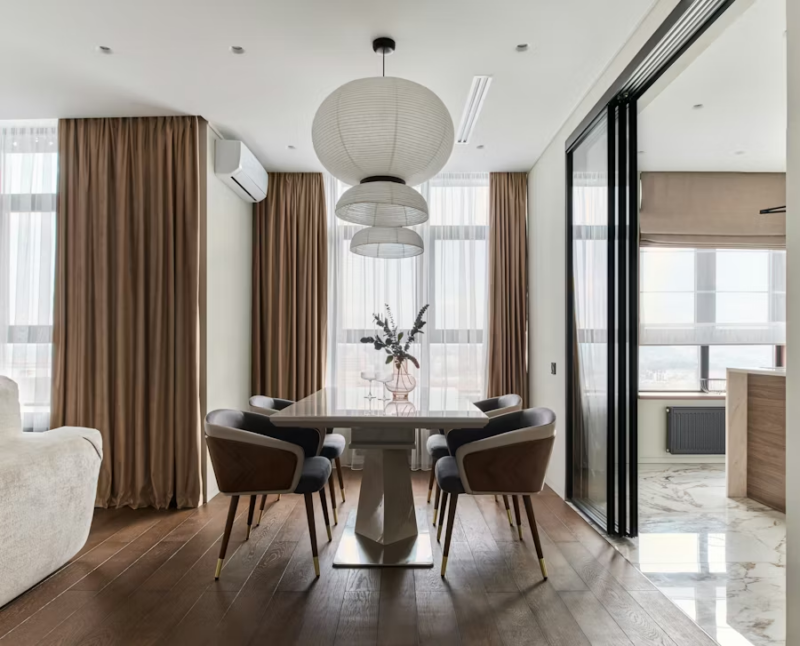
Research shows that buyers prefer homes with flexible spaces rather than larger homes. Due to this, builders have begun including transition areas/flex spaces in new home designs, a trend the National Association of Home Builders has tracked closely in its recent builder surveys. Examples include: home offices, drop zones, multipurpose rooms. With respect to rental homes, the flexibility of these spaces provide additional benefits beyond being attractive to potential tenants. They allow for a greater number of potential tenants that can utilize a given floor plan. For example, if a room serves as both a nursery and/or a guest room, then the room becomes more versatile. Therefore, it provides protection against having too many specific requirements from potential tenants. This reduces the length of time a landlord is required to maintain a vacant property.
Durability Wins Out Over Trendy Features
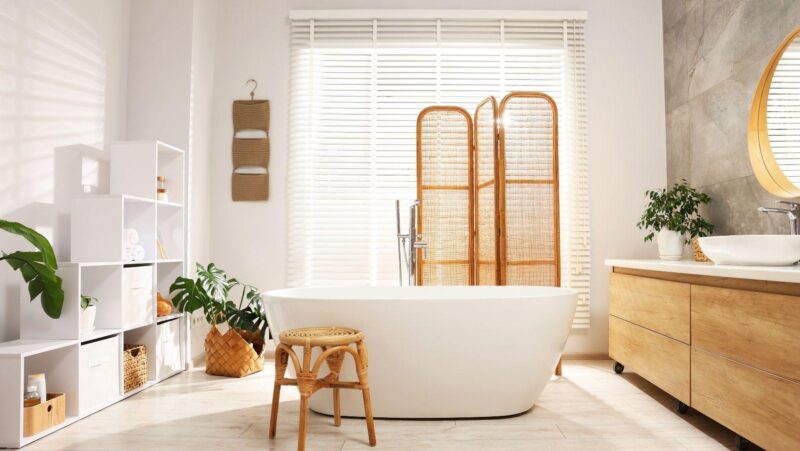
When building for resale, trendy finishes are typically considered. However, when renting, you want to build with materials that will withstand multiple tenancies. Flooring, countertops and fixtures are subject to much more abuse when rented versus when owned. Luxury Vinyl Plank (LVP), Quartz or Engineered Stone Countertops and Matte or Brushed Finish Fixtures all possess a contemporary style while also reducing the need for ongoing maintenance and replacements due to the increased longevity. When advising clients regarding rental renovations, I recommend focusing on durable products versus fashionable products.
Outdoor Spaces Offer More Perceived Value Than Any Other Component
For nearly every buyer and renter demographic, outdoor space is currently the #1 desired feature within current housing studies. There are few ways to add outdoor space without breaking the bank. Adding a rooftop deck in an urban setting, a small patio in a suburban yard or even a well-designed balcony can dramatically improve the competitive positioning of a rental unit, especially in areas with limited private outdoor space. When designing multifamily or single family rentals, this is one of the most cost effective upgrades available compared to the rent premium it can generate.
Maintaining Your Property vs. Maintaining Its Appearance
While maintaining appearance is important to homeowners, maintaining accessibility to core components of your rental property is critical for property management companies and tenants alike. Water heaters, HVAC units, electrical panels located in cramped, difficult-to-reach locations or behind finished walls cause problems for vendors attempting to fix tenant-related issues in a timely manner. Large-scale property management firms like a Houston-based firm consistently report maintenance turn-around-time as one of the top indicators of tenant satisfaction and retention. Turn around-time is impacted by how easy it is for vendors to gain access to a property’s core components. Creating thoughtful utility closets or placing HVAC units with service clearance in mind are examples of practical design considerations that positively impact maintenance turn-around-time.
Renters Are Now Expecting Energy Efficient Homes
Energy efficient windows, sufficient insulation and modern heating & cooling systems were previously utilized as marketing points for owner-occupied homes seeking to reduce utility costs. As utility prices rise and tenants become more conscious of their entire housing expense (not just rent), these items have evolved into basic expectations for renters. Architects and builders constructing rental properties are now experiencing the financial returns from energy efficiency upgrades on two fronts: first, as improved utility costs enhance a listing’s competitiveness; second, through extended system life and lower maintenance costs associated with newer and more efficient systems.
First Impressions Matter
Regardless of how digital marketing has altered how rental properties find visibility, curb appeal continues to play an active role in turning online views into actual showings. Exterior lines that are clean and contemporary, consistent color schemes and tidy landscaping can positively sway a prospect’s decision to schedule a viewing before they see an interior photo. Even within a modest renovation budget, architectural input can have a meaningful positive impact on a property’s marketing performance.
The Larger Picture
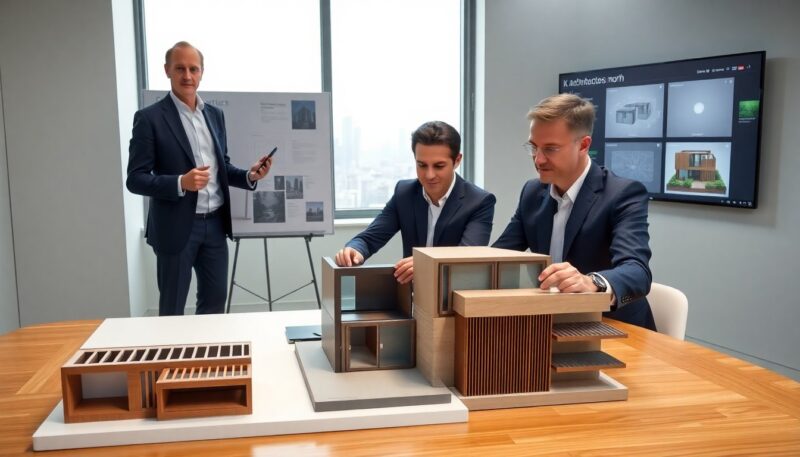
Each of these aspects do not necessitate sacrificing good design principles in favor of functional decisions alone — the best performing rental properties tend to be those where architects/designers considered both aspects simultaneously: how does the space appear today versus how will it perform over time for a decade-long succession of tenants? By considering what truly impacts rental performance (durability, flexibility, accessibility/maintenance and efficiency alongside aesthetics), architects/designers working with investor clients offer an additional layer of value beyond individual renovation projects. They offer the difference between creating a home that takes a quality photograph and creates a home that effectively performs for years.