Jennifer Jung
Having functional heating and cooling services is essential in every household. As equipment ages, communities begin to encounter maintenance problems that leave residents wondering whether to repair or replace. Knowing at what point it makes sense to repair or get a new one will save money and keep your home at a comfortable temperature year-round. This decision depends on a lot of factors that need utmost careful consideration.
Deciding whether to repair or replace your system isn’t always straightforward. Homeowners must look beyond immediate costs and consider long-term comfort, efficiency, and reliability. Superior heating and cooling solutions come from understanding how your current system performs and where it falls short.
The following points outline the most important factors to help guide that decision.
Frequency of Repairs
Regular maintenance helps heating and cooling systems run efficiently. However, when a unit begins to break down often, repair costs can quickly add up. Frequent service calls usually signal that the system is nearing the end of its useful life. While repeated fixes may provide short-term relief, they rarely solve underlying issues. In many cases, replacing the system is more cost-effective than continuing with ongoing repairs.
Energy Efficiency
This is a huge leap compared to traditional heating and cooling systems that were manufactured years ago. The system could be out of date if monthly power costs seem excessive. They have the potential to help you save on utility bills and reduce environmental damage. Stretching the life of an older refrigerator model as long as possible can make good sense, but at some point, it makes more monetary and ecological sense to upgrade to a newer model.
Cost of Repairs
Consider the comparison between the costs to repair the system vs buying a new one. A general rule of thumb is that if the repair costs more than half the cost to replace the unit, it is generally more financially sound to purchase new equipment.
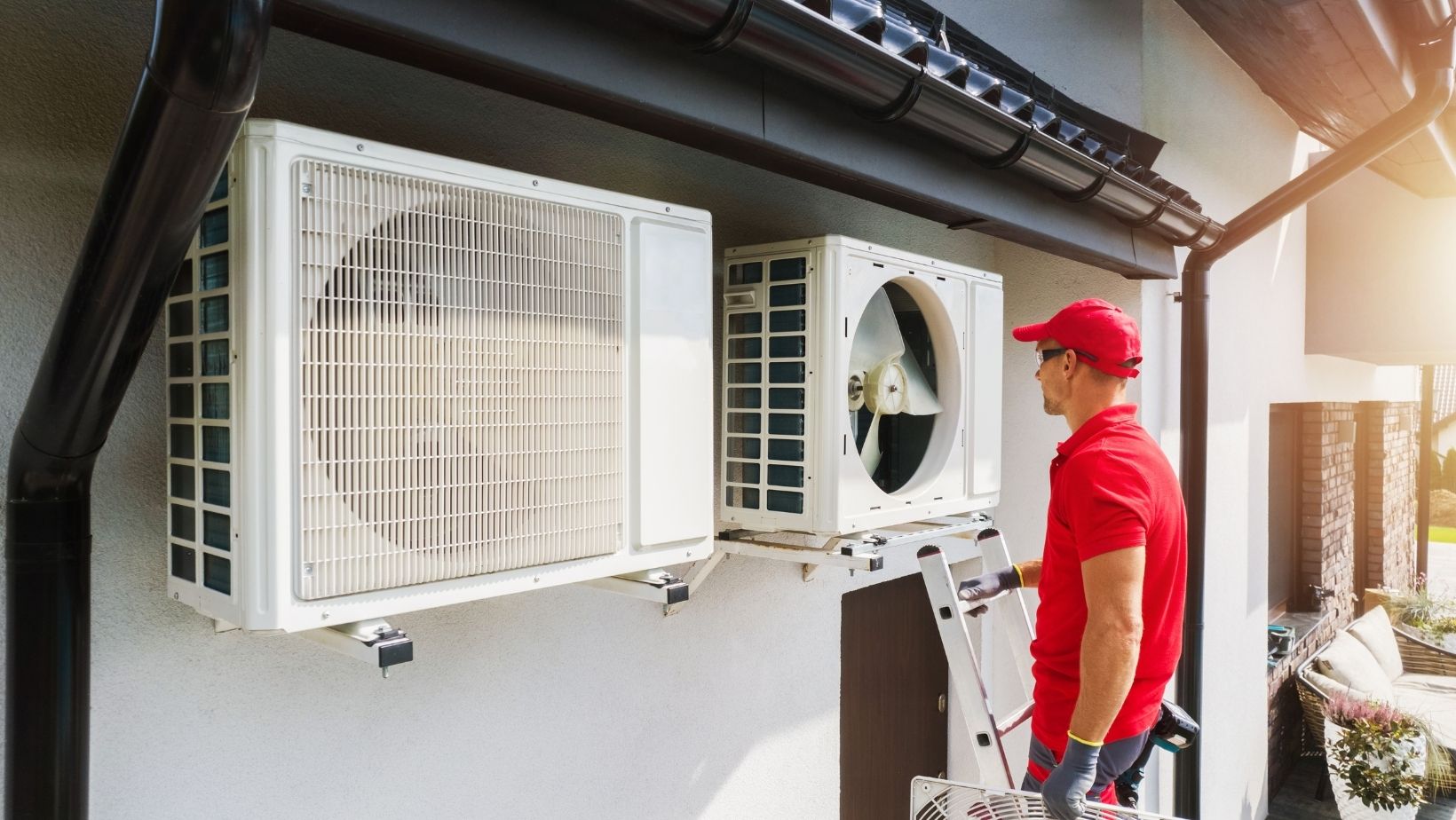
Purchasing aged equipment for a sizable price does not mean you will receive long-term service from that equipment. Newer systems usually include warranties that ease peace of mind and help avoid as many maintenance issues down the road.
Comfort and Performance
One of the key functions of a heating and cooling unit is to ensure people stay comfortable indoors. An average air flow, erratic temperatures, or annoying noise indicate a failing performance. Replacement is the next logical step; however, if adjustments and repairs have not restored comfort. Newer equipment has better air quality, humidity control, and noise performance for greater comfort.
Environmental Impact
Older systems may contain refrigerants or parts that are harmful to the environment. Stricter standards are also in place for newer models, which use safer materials. New gear cuts emissions and maintains the preservation of our natural resources. Replacement is often the most responsible option for households wanting to reduce their carbon footprint.
Available Rebates and Incentives
Multiple locations have financial programs for swapping to energy-efficient heating and cooling systems. Such rebates can greatly reduce the upfront cost of upgrading appliances. When they are available, such programs will help to make replacement more affordable and attractive than repeated repairs.
Safety Concerns
If the system were to malfunction, it could create dangerous situations, such as a carbon monoxide leak or even an electrical fire. Immediate attention should be given to recurrent problems that jeopardize health or the safety of property. Replacement removes these risks and leaves the home safe and comfortable.
Evaluating System Compatibility
Occasionally, houses are remodeled or expanded, which changes heating and cooling requirements. Currently deployed units may not be up to the task of larger areas or new configurations. Installing a system with ample capacity guarantees comfort under those conditions. Using equipment that is appropriately sized for your property helps to avoid strain on the machine that can lead to premature breakdowns.
Consulting a Professional
Assessing whether you should repair or replace frequently necessitates a guiding hand. With all that in mind, a qualified technician will be able to gauge your equipment’s quality and offer a neutral take on its condition with respect to age, efficiency, and service history. It allows households to make choices that are aligned with their comfort and budget objectives with the assistance of professional advice.
Conclusion
There are many different factors to consider when determining if you should replace or repair the heating and cooling systems. All of it comes down to age, efficiency, how often repair is needed, and overall performance at the end of the day. Taking these under consideration thoughtfully results in trustworthy comfort and the financial savings that follow. By seeking advice from trusted professionals, the common person gets to experience a home that is comfortable, safe, and energy-efficient.