Pyrrothian Lyxterand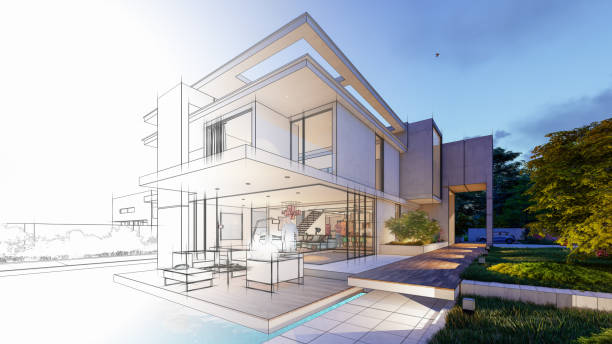
Contemporary home design is no longer built around fixed routines. People work from dining tables, exercise in spare rooms, host friends in open-plan spaces and use quiet corners for reading, study or personal downtime. A modern home needs to adapt throughout the day. That is why flexible layouts have become one of the most important ideas in residential design.
Homes Now Serve More Purposes
A generation ago, many rooms had clear roles. The lounge was for relaxing, the kitchen was for cooking and the study was for paperwork. Today, those boundaries are softer. A kitchen island might be used for breakfast, homework, video calls and casual entertaining within the same afternoon.
This shift has changed how designers think about space. Instead of creating rooms for single activities, contemporary layouts support multiple uses. The aim is to make homes feel practical without losing comfort or style.
Flexible design can help with:
- Remote or hybrid work
- Family routines
- Entertaining
- Quiet personal time
- Storage and organisation
- Changing needs as households grow
A flexible layout does not mean every space must be open-plan. It means each area can respond to real life.
Open-Plan Living Still Needs Structure
Open-plan homes remain popular because they make spaces feel larger, brighter and more social. However, an open layout can become noisy or unfocused if it is not carefully organised. The best contemporary interiors use subtle zoning to create structure without closing everything off.
Designers often use furniture, lighting, rugs and ceiling details to define zones. A sofa can separate a lounge area from a dining space. Pendant lights can mark the kitchen island. A rug can visually anchor a reading corner.
Useful zoning tools include:
- Area rugs for soft boundaries
- Shelving units that divide without blocking light
- Different lighting levels for different activities
- Furniture placement that guides movement
- Material changes between kitchen, dining and living zones
This creates a layout that feels open but not empty. People can move easily while still understanding what each part of the room is for.
Multi-Use Rooms Need Smart Storage
A flexible room only works when clutter can be controlled. If a guest room also serves as a home office, exercise area or hobby space, storage becomes essential. Without it, the room can feel unfinished or constantly in transition.
Built-in joinery, concealed cupboards and modular storage can help a space shift between functions quickly. A foldaway desk can turn a bedroom into a work zone during the day. A storage bench can hold toys, linen or fitness gear. Wall-mounted shelving can free up floor space in compact homes.
Good storage design should be:
- Easy to access
- Visually consistent with the room
- Sized for actual household items
- Flexible enough to change over time
- Integrated rather than added as an afterthought
The goal is not to hide all signs of daily life. It is to make it easier for rooms to reset when activities change.
Technology Has Changed Layout Planning
Technology now influences how homes are arranged. People need power points near work areas, strong Wi-Fi throughout the house, charging spots in convenient locations and media zones that do not dominate every room.
Contemporary design also recognises that leisure is increasingly digital. A household might stream films in the living room, use smart speakers in the kitchen or browse entertainment platforms such as online pokies kingjohnnie.me during private downtime. These habits affect lighting, seating, acoustics and how screens are placed.
Tech-friendly layouts often include:
- Discreet cable management
- Power access near seating and desks
- Flexible media furniture
- Strong task lighting for work areas
- Quiet zones for calls or focused activity
Technology should support the home rather than control it. The best layouts make devices convenient while keeping rooms warm and liveable.
Adaptability Adds Long-Term Value
A flexible home can respond to change. A nursery may later become a child’s room, then a study. A formal dining room may become a home office. A garage may be converted into a studio or workshop. Designing with adaptability in mind can make a property more useful over time.
This is especially important for homeowners who want to avoid major renovations every few years. Flexible planning allows small changes to do more work. Moving furniture, changing lighting or adding storage can transform how a space functions.
Adaptability can be built through:
- Neutral base finishes
- Movable furniture
- Multi-purpose rooms
- Durable materials
- Layouts that allow future upgrades
The most successful homes are not frozen in one stage of life. They evolve with the people who live in them.
Comfort Remains the Priority
Flexibility should never make a home feel temporary or impersonal. A room that can serve several purposes still needs comfort, warmth and character. Practical design works best when it supports the way people want to feel at home.
Soft seating, natural light, good ventilation, layered textures and personal objects all help flexible spaces feel settled. A home should be efficient, but it should also invite people to slow down.
Contemporary home design is defined by flexibility because modern life is varied. People need spaces that can shift from work to rest, from family time to solitude, from everyday routines to special occasions. When layouts are planned with adaptability, storage and comfort in mind, homes become easier to live in and better prepared for the future.