Jennifer Jung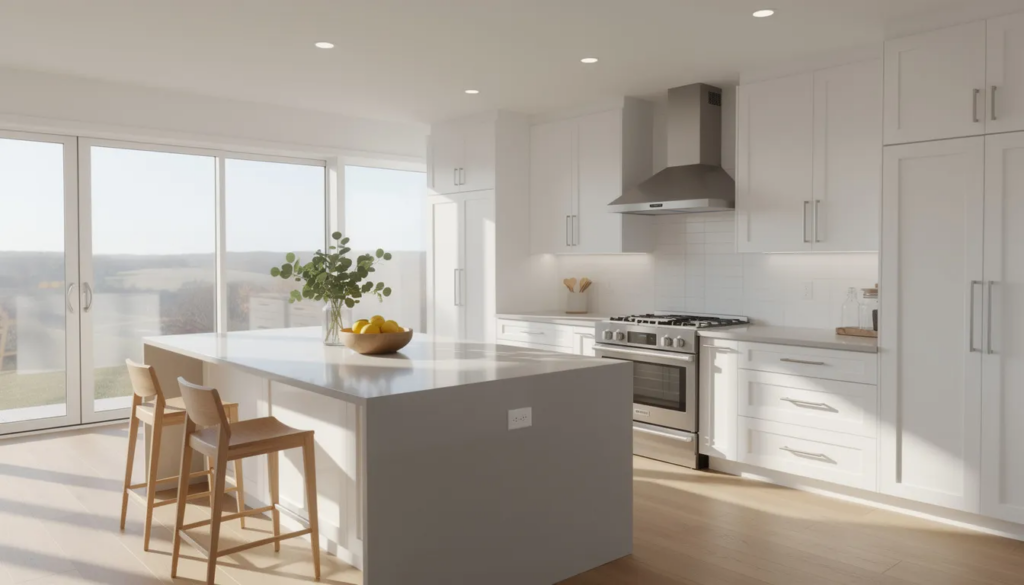
When you’re preparing to list your property, every decision about where to invest your time and money matters. But here’s the reality: not all rooms carry equal weight in a buyer’s mind. Understanding what rooms sell a house can mean the difference between a quick sale at top dollar and months of price reductions.
This guide breaks down exactly which spaces deserve your attention, backed by industry data and insights from KD Architects on how design decisions influence resale value.
Quick Answer: The 3 Rooms That Sell (or Sink) a House
If you’re short on time or budget, focus here first. The kitchen, main living area, and primary bedroom are consistently the three rooms that most influence whether potential buyers make an offer—and how much they’re willing to pay.
According to the National Association of Realtors’ 2023 Profile of Home Staging, the living room tops the list as the most important room for buyers, followed closely by the primary bedroom and kitchen. The data is clear: 84% of buyers find staged homes more appealing, and professionally staged homes can sell for 1-5% more while spending 3-30 days less time on the market.
Here’s your priority list:
- Kitchen: The room most likely to attract showings through listing photos and justify your asking price
- Living room: The first impression space that shapes emotional reactions within seconds
- Primary bedroom: The retreat that closes the deal by showing comfort and lifestyle potential
- Bathrooms: Critical supporting spaces that signal maintenance quality
If time and budget force you to choose, these three decision rooms should consume the bulk of your staging and improvement efforts. Entry halls, dining rooms, and outdoor areas play supporting roles—important, but secondary to getting the core spaces right.
Throughout this guide, you’ll find KD Architects’ perspective woven in, with a dedicated section on how thoughtful design and layout influence which rooms really sell a house.
Why Certain Rooms Matter More to Purchasers
Buyers don’t evaluate your whole house with equal scrutiny. High-traffic, high-function, and emotionally resonant spaces carry the most weight in their decision-making process. Research shows that most buyers form their initial impression within the first 15-30 seconds of entering a home—or viewing listing photos online.
This means the rooms that appear first, both in photos and during a walk through your property, have outsized impact on whether buyers can envision their life there.
Consider these statistics:
- Over 90% of buyers start their home search online, judging properties primarily from photos before ever scheduling a showing
- Home staging focused on key rooms can reduce days on market significantly—some industry data suggests up to 73% faster sales
- The Real Estate Staging Association reports that staged homes often sell closer to or above list price compared to unstaged properties
The concept breaks down like this:
- Decision rooms (kitchen, living room, primary bedroom): These spaces drive emotional connection and justify price
- Supporting rooms (bathrooms, entry, secondary bedrooms, garage): These reinforce impressions but rarely make or break a sale
- Background rooms (basement, storage areas): These need to be clean and functional but don’t require staging investment
Design quality, natural light, and perceived square footage in decision rooms can subconsciously override minor flaws elsewhere in the house. A dated powder room matters less when the kitchen feels like it belongs in a magazine.
The Kitchen: The Room Most Likely to Sell Your House
The kitchen is consistently ranked as the most important room for selling a house. It’s not just where meals happen—it’s where real estate agents bring buyers first, where listing photographers spend the most time, and where many buyers make their gut-level decision about whether this property feels like home.
What potential buyers prioritize in a kitchen:
- Cleanliness and brightness: Sparkling clean surfaces, working light fixtures, and natural light from windows create an immediate sense of care and quality
- Modern or well-maintained appliances: Buyers notice dated appliances instantly; they don’t need to be luxury brands, but they should look current and functional
- Ample, organized storage: Cabinet space, pantry organization, and drawer functionality all signal whether daily life here will feel convenient or cramped
- Logical layout: The work triangle between sink, stove, and refrigerator should feel intuitive; counter space for meal prep is non-negotiable for many buyers
The ROI supports kitchen investments. According to Remodeling Magazine’s Cost vs. Value Report, minor kitchen remodels typically recoup 70-80% of costs, with some markets seeing even higher returns. KD Architects’ project portfolios show kitchen remodels recouping 65-85% ROI when layout and storage are optimized.
High-impact, low-cost staging moves:
- Clear counters of everything except one or two attractive items—a coffee maker and a bowl of fresh fruit or lemons photograph beautifully
- Replace dated cabinet hardware with modern pulls; this $50-200 investment transforms the entire look
- Deep clean everything, including inside cabinets and appliances—buyers open doors
- Add under-cabinet lighting if possible; it makes the space feel more expensive in photos
- Apply a fresh coat of paint to walls in neutral tones like soft grays or warm whites
For listing photos, aim for wide shots that show the whole space, clean counter space, and no clutter. Under-cabinet lighting creates depth, and a simple vase of fresh flowers on the island adds life without distraction.
From KD Architects’ perspective, kitchen circulation and sightlines matter as much as finishes. A kitchen with clear views to the living room, an island that functions as a social hub, and logical flow between cooking and dining areas will always outperform a cramped or isolated kitchen—regardless of how expensive the tile countertops are.
The Living Room: The First-Impression Space
The living room or family room typically appears first in both listing photos and in-person tours. This is where buyers form their initial emotional reaction—often before they’ve consciously evaluated a single feature.
What buyers imagine doing in this space:
- Everyday relaxation after work
- Hosting family gatherings and entertaining guests
- Kids playing while parents cook dinner
- Flexible use for hobbies, reading, or remote work
How to arrange furniture and stage effectively:
- Create a clear focal point—whether that’s a fireplace, large windows with a view, or a media wall—and orient seating toward it
- Remove excess furniture to make the room appear larger; keep essential seating (sofa, one or two chairs) and a coffee table
- Maximize natural light by opening blinds fully, switching to lighter curtains, and adding floor lamps with warm white bulbs for evening showings
- Position furniture to define a conversation area that feels inviting rather than pushing everything against walls
Color and texture guidance:
- Keep walls neutral; bold colors can alienate many buyers who can’t see past the paint
- Add subtle color through two or three throw pillows or a single throw blanket in complementary tones
- Replace family photos with one large piece of simple, non-controversial art—landscapes and abstract pieces work well
- A fresh, neutral rug can anchor the space and hide worn flooring
Layout matters more than most sellers realize. Open-plan living rooms that connect to the kitchen are especially valued by modern buyers, and poor furniture placement can hide that benefit. If your space flows into the kitchen or dining room, arrange furniture to emphasize that connection rather than block it.
KD Architects notes that ceiling height, window placement, and the relationship between the entry, living room, and kitchen all influence how “expensive” the space feels. These architectural decisions—made years before sale—often matter more than staging.

The Primary Bedroom: The Sanctuary That Closes the Deal
The primary bedroom isn’t about impressive design—it’s about retreat. This is where buyers assess whether they can imagine waking up refreshed, unwinding after long days, and having personal space that feels genuinely private. The master bedroom consistently ranks as the second most important room after the living room in buyer surveys.
What buyers evaluate here:
- Size relative to furniture: Can a king bed fit comfortably with nightstands and walking paths? Cramped bedrooms lose deals.
- Closet space and organization: Walk-in closets are major selling points; even reach-in closets should appear organized and spacious
- Connection to en-suite bathroom: Primary suites with attached baths feel more luxurious and functional
- Privacy from living areas: Buyers notice whether the bedroom is separated from kitchen noise and guest traffic
Staging the primary bedroom effectively:
- Use simple, hotel-style bedding in white or soft neutrals—avoid busy patterns that distract
- Clear nightstands except for matching lamps and perhaps one small plant or book
- Remove dressers or bulky furniture that crowd circulation; show clear walking paths around the bed
- Make the bed the focal point with quality pillows arranged simply
- Remove personal items like family photos, prescription bottles, and personal care products
The emotional impact of a well-staged primary suite shouldn’t be underestimated. A calm, uncluttered space can offset minor negatives elsewhere in the house. Prospective buyers often forgive smaller secondary bedrooms or older finishes in other rooms if the primary bedroom feels like a genuine sanctuary.
KD Architects emphasizes design factors that make primary suites saleable:
- Separation from noisy zones like the kitchen and living room
- Access to morning light through east-facing windows without sacrificing privacy from neighbors
- Logical adjacency of bedroom, bath, and closet that creates an efficient daily flow
Bathrooms: Small Rooms, Big Influence
Bathrooms are smaller than most other spaces, but they have an outsized impact on how buyers perceive your home’s overall maintenance and cleanliness. A dated or neglected bathroom can be a deal breaker, signaling that problems may lurk throughout the house.
Which bathrooms matter most:
- Primary bathroom (en-suite to the master bedroom)
- Main hall bath used by guests
- Powder room near public spaces like the living room or entry
Deep cleaning and staging essentials:
- Scrub tiles, grout, glass, and caulk until they’re sparkling clean; replace moldy grout and re-caulk tubs and showers
- Swap old shower curtains for fresh white or light neutral ones
- Display matching, new white towels and a neutral bathmat; remove all personal toiletries from view
- Clear medicine cabinets of prescriptions and personal items—buyers will open them
- Fix leaky faucets immediately; dripping signals deferred maintenance
Low-cost upgrades that make a difference:
- Replace dated light fixtures with simple, modern alternatives ($30-100 each)
- Update faucets if they’re visibly worn or outdated
- Install new toilet seats—a $25 fix that eliminates a common “ick” factor
- Address any flushing issues or running toilets before showings
Here’s what matters: luxury-level finishes aren’t necessary. “Fresh, bright, and functional” sells better than “fancy but worn.” Buyers agents consistently report that clean, well-maintained bathrooms in neutral tones outperform bathrooms with expensive but dated fixtures.
Other Spaces That Support the Sale (and Two You Can Usually De-Prioritize)
Once your kitchen, living room, primary bedroom, and key bathrooms look great, turn to supporting spaces that reinforce impressions of good storage, maintenance, and lifestyle potential.
Entry/Foyer:
- Make it bright and uncluttered—this is the literal first impression when buyers walk through the door
- Clean door hardware, ensure the doorbell works, and consider a new welcome mat
- Add a simple console or bench if space allows
- A small vase of fresh flowers or a single piece of art creates a focal point without clutter
- A fresh coat of paint on the front door can add significant curb appeal
Dining room:
- Keep furniture minimal; a dining room table set simply for 4-6 with neutral dishes works well
- Add a single centerpiece—candles or a simple plant arrangement
- Make sure the space reads clearly as a dining area, not a storage room or makeshift home office
- Remove unnecessary items like mail piles, kids’ homework, or work equipment
Outdoor spaces:
- Highlight patios, decks, or balconies as extensions of living space with basic, clean outdoor furniture
- Mow, edge, and add a few potted plants for curb appeal
- Clean walkways and ensure outdoor lighting works
- Remove kids’ toys, garden tools, and seasonal items from view
Secondary bedrooms:
- Beyond the primary bedroom, many buyers are flexible—rooms just need to appear clean and functional
- Stage as bedrooms or home offices depending on layout
- Remove themed décor like cartoon murals in kids rooms that may limit buyers’ imagination
- Clear closets of at least 30% of contents to show storage space
Garage and basement:
- Basic decluttering and organization into clear zones (storage, tools, sports equipment) is sufficient
- Address any moisture issues or musty odors—these raise red flags about foundation problems
- Consider moving items to a storage unit temporarily if spaces feel cramped
- These rooms rarely sell a house but can definitely unsell one if they’re dirty or damp
According to buyers agents, hobby rooms and kids’ bedrooms are least critical to the sale. Once priority rooms shine, these secondary spaces can be staged more lightly.

KD Architects’ Take: Which Room Really Sells a House
From our perspective at KD Architects, no single room sells every house. The interplay among the kitchen, main living space, and primary suite—guided by thoughtful architecture and natural flow—is what consistently drives strong offers.
We’ve found that understanding what rooms sell a house requires looking beyond staging to the underlying design decisions that create value years before a property hits the market.
Our design philosophy centers on three principles:
- Prioritize a functional, social kitchen that connects intelligently to the living area through clear sightlines, logical circulation, and considered acoustics
- Design living rooms with balanced proportions, abundant natural light, and a clear focal point rather than relying solely on staging to compensate for poor layout
- Create primary suites that feel like calm, spatially efficient retreats, even in modest square footage
Architectural decisions that affect resale:
- Window placement that maximizes daylight in key rooms—particularly morning light in bedrooms and afternoon light in living areas
- Logical adjacency of entry, living room, kitchen, and dining room that creates intuitive flow
- Minimizing “dead space” like oversized hallways in favor of usable square footage in sale-driving rooms
- Ceiling heights and proportions that make rooms feel larger without wasting money on unnecessary volume
Our opinion on investment priorities:
If you’re planning renovations with resale in mind over the next 3-5 years, prioritize kitchen layout and storage improvements first. Then focus on primary bath and bedroom enhancements before finishing basements or secondary bedrooms. The data supports this hierarchy—kitchens consistently show the highest ROI among renovation projects.
We encourage homeowners to consult architects or designers before major kitchen or primary suite remodels. Professional guidance often yields better resale-oriented layouts without significantly higher construction cost. The difference between a kitchen that functions beautifully and one that merely looks updated often comes down to circulation decisions made in the planning phase—not appliance choices made at the showroom.
In our experience, homes where the kitchen, living room, and primary suite work together as a cohesive system—rather than three separate rooms—consistently command higher prices and sell faster than homes with individually impressive but disconnected spaces.
Data, Sources, and a Visual Guide
The recommendations in this guide draw from several authoritative sources:
- National Association of Realtors: Their 2023 Profile of Home Staging confirms that living room, primary bedroom, and kitchen are the top three rooms buyers agents recommend staging. The same research indicates 84% of buyers find staged homes more appealing, with staging directly correlated to higher offers and reduced time on market.
- Real Estate Staging Association: Industry data showing professionally staged homes can sell significantly faster and for a higher percentage of asking price compared to unstaged properties.
- Signature Properties: Real estate consultant and content ideation source for this article.
Key statistics referenced:
- 84% of buyers find staged homes more appealing
- Living room ranks as the #1 priority room for buyers
- Staged homes can sell 1-5% higher and spend 3-30 days less on market
- Kitchen renovations typically recoup 65-85% of costs at resale
Video Resource:
For a visual walkthrough of how staging transforms the rooms that sell a house, watch “How to Sell Your Home For More Money: The 4 Rooms You Must Stage” on YouTube. This video demonstrates before-and-after staging of living rooms, primary bedrooms, kitchens, and dining areas, showing exactly how furniture placement, lighting changes, and decluttering create the impression of larger, more inviting spaces.
Visual Priority Guide:
Consider your home as having two zones:
- Decision Rooms (highest priority): Kitchen, living room, primary bedroom, primary bathroom
- Supporting Rooms (secondary priority): Entry, dining room, secondary bathrooms, outdoor spaces
- Background Rooms (basic attention): Secondary bedrooms, garage, basement, closets
Your time, budget, and energy should flow in that order. Most buyers who’ve walked through dozens of properties will focus their attention—and their offers—on the decision rooms. Get those right, and the supporting spaces become easier to overlook.
Whether you’re staging for a weekend open house or planning renovations with resale in mind, focusing your energy on these decision-driving rooms will yield the strongest returns. Start with one room today—deep clean, remove family photos and personal items, let the natural light in—and work your way through the priority list.
Ready to ensure your home’s most important spaces are designed for maximum value? Consider consulting with architects or designers before major kitchen or primary suite projects. The right layout decisions made early can make all the difference when it’s time to sell faster and for top dollar.