Roger Morph
Architecture has always been a discipline rooted in imagination, precision, and communication. For centuries, architects relied on hand-drawn sketches, physical models, and descriptive language to convey their ideas. While these traditional methods remain valuable, the digital transformation of the industry has fundamentally reshaped how architectural concepts are developed, visualized, and shared. Today, digital tools allow architects to turn abstract ideas into immersive, detailed representations that can be explored long before construction begins.
The shift toward digital workflows is not simply about efficiency. It represents a deeper evolution in how architecture is conceived and experienced. By leveraging advanced visualization techniques, architects can communicate complex ideas more clearly, reduce uncertainty, and foster collaboration across disciplines. This article explores how digital technologies are bringing architectural concepts to life, examining the tools, processes, and implications shaping modern design.
The Evolution of Architectural Visualization
From Hand Drawings to Digital Models
Historically, architectural visualization depended heavily on two-dimensional drawings such as plans, sections, and elevations. While these formats provided technical accuracy, they often required specialized knowledge to interpret. Clients and stakeholders without architectural training sometimes struggled to fully understand the spatial and aesthetic qualities of a design.
The introduction of computer-aided design (CAD) marked a significant turning point. CAD systems enabled architects to produce precise digital drawings, improving accuracy and consistency. However, these early tools still largely replicated traditional methods in a digital format.
The real transformation began with the adoption of three-dimensional modeling. By constructing digital models of buildings, architects could visualize forms, materials, and spatial relationships in a more intuitive way. This shift laid the foundation for modern visualization practices that prioritize realism and interactivity.
The Rise of Photorealistic Rendering
As computing power increased, rendering technologies evolved to produce highly realistic images. Photorealistic rendering simulates lighting, textures, and environmental conditions to create visuals that closely resemble real-world scenes. These images help bridge the gap between technical design and human perception.
Today, the use of 3D rendering services has become a common part of the architectural workflow. These solutions allow designers to present their concepts with a level of clarity that was previously unattainable, making it easier for clients to visualize the final outcome and provide informed feedback.
Key Digital Tools Transforming Architecture
Building Information Modeling (BIM)
Building Information Modeling (BIM) is one of the most influential innovations in modern architecture. Unlike traditional design methods, BIM integrates geometric data with detailed information about materials, systems, and performance. This creates a comprehensive digital representation of a building throughout its lifecycle.
BIM enables architects, engineers, and contractors to collaborate more effectively. Changes made in one part of the model are automatically reflected across all related components, reducing errors and improving coordination. This integrated approach enhances both design quality and construction efficiency.
Virtual Reality (VR) and Augmented Reality (AR)
Virtual reality and augmented reality have introduced new dimensions to architectural visualization. VR allows users to immerse themselves in a fully digital environment, experiencing a building as if it were already constructed. This level of immersion provides valuable insights into scale, proportion, and spatial relationships.
AR, on the other hand, overlays digital elements onto the physical world. This technology can be used to visualize how a proposed structure will fit within its real-world context. Both VR and AR improve communication between designers and stakeholders by making abstract concepts more tangible.
Parametric and Generative Design
Parametric design uses algorithms to define relationships between different elements of a structure. By adjusting parameters, architects can quickly explore multiple design variations and optimize performance based on specific criteria such as energy efficiency or structural integrity.
Generative design takes this concept further by using computational processes to generate design options automatically. These approaches allow architects to explore solutions that might not be immediately apparent through traditional methods, expanding the boundaries of creativity.
Enhancing Communication and Collaboration
Bridging the Gap Between Designers and Clients
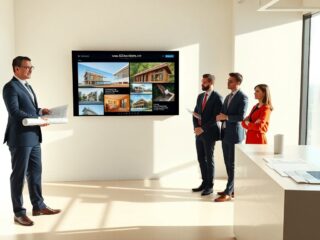
One of the most significant benefits of digital visualization is its ability to improve communication. Clear, realistic representations help clients understand design proposals without needing technical expertise. This reduces misunderstandings and ensures that expectations align more closely with the final outcome.
Interactive models and visualizations also encourage client engagement. Instead of passively reviewing drawings, stakeholders can actively explore the design, ask questions, and provide feedback. This collaborative process leads to more informed decision-making and stronger project outcomes.
Interdisciplinary Collaboration
Modern architectural projects involve a wide range of professionals, including engineers, contractors, and consultants. Digital tools facilitate collaboration by providing a shared platform where all stakeholders can access and contribute to the project.
Cloud-based systems and integrated models allow teams to work simultaneously, regardless of location. This connectivity improves efficiency and reduces the likelihood of errors caused by miscommunication or outdated information.
Improving Design Accuracy and Efficiency
Early Detection of Issues
Digital models enable architects to identify potential problems early in the design process. Clash detection tools, for example, can reveal conflicts between structural elements and building systems before construction begins. Addressing these issues at an early stage reduces costly changes later on.
Simulation tools also allow designers to evaluate performance factors such as lighting, energy consumption, and airflow. By analyzing these variables, architects can make informed decisions that enhance the functionality and sustainability of their designs.
Streamlining the Design Process
Automation plays a key role in improving efficiency. Tasks that once required significant manual effort can now be completed quickly using digital tools. For instance, generating multiple design iterations or updating documentation can be done with minimal effort.
This efficiency allows architects to focus more on creativity and problem-solving rather than repetitive tasks. As a result, the overall quality of design can improve while project timelines are reduced.
The Role of Digital Visualization in Sustainability
Energy and Environmental Analysis
Sustainability has become a central concern in architecture, and digital tools are essential in addressing this challenge. Energy modeling software allows architects to simulate how a building will perform under different conditions. This includes analyzing factors such as solar exposure, insulation, and ventilation.
By evaluating these aspects during the design phase, architects can optimize energy efficiency and reduce environmental impact. This proactive approach aligns with global efforts to create more sustainable built environments.
Material Optimization
Digital modeling also supports more efficient use of materials. By accurately calculating quantities and analyzing structural requirements, architects can minimize waste and reduce costs. This contributes to both environmental sustainability and economic efficiency.
Additionally, digital tools enable the exploration of alternative materials and construction methods. This flexibility encourages innovation and supports the development of more sustainable solutions.
Challenges and Considerations
Technical Complexity
While digital tools offer numerous benefits, they also introduce new challenges. Learning to use advanced software requires time and training, and the rapid pace of technological change can make it difficult for professionals to stay up to date.
Organizations must invest in education and support to ensure that their teams can effectively use these tools. Without proper training, the potential advantages of digital technology may not be fully realized.
Data Management and Security
The increasing reliance on digital models raises concerns about data management and security. Large files and complex datasets require robust systems for storage and sharing. Ensuring that information remains accurate, accessible, and secure is essential for successful project execution.
Establishing clear protocols for data management can help mitigate these risks and maintain the integrity of the design process.
The Future of Digital Architecture
Integration of Artificial Intelligence
Artificial intelligence is beginning to play a more prominent role in architectural design. AI can analyze vast amounts of data to identify patterns, optimize designs, and generate new ideas. This technology has the potential to enhance both efficiency and creativity.
As AI continues to evolve, it may become an integral part of the design process, assisting architects in making more informed decisions and exploring innovative solutions.
Increased Accessibility
Advancements in technology are making digital tools more accessible to a wider range of users. As costs decrease and interfaces become more user-friendly, smaller firms and independent designers can take advantage of these capabilities.
This democratization of technology has the potential to transform the industry by enabling more diverse perspectives and fostering greater innovation.
Conclusion
The digital transformation of architecture has fundamentally changed how concepts are developed, visualized, and communicated. From photorealistic renderings to immersive virtual environments, modern tools allow architects to bring their ideas to life with unprecedented clarity and precision.
These technologies not only enhance design quality but also improve collaboration, efficiency, and sustainability. While challenges remain, the continued evolution of digital tools promises to further expand the possibilities of architectural design.
As the industry moves forward, the ability to effectively leverage digital technologies will become increasingly important. Architects who embrace these tools will be better equipped to navigate complex projects, communicate their vision, and create spaces that meet the needs of a rapidly changing world.