Why Architecture Firms Are Investing in Visual Storytelling in 2026
 Zyrendral Xythorian
Architecture has always been about vision. It transforms ideas into spaces, concepts into communities, and design into experience. But in 2026, great architecture alone is no longer enough to command attention in an increasingly competitive and visually driven marketplace.
Today’s clients, investors, and development partners often discover architecture firms online long before they schedule a consultation. Their first impression is shaped not only by completed projects but by how effectively those projects are presented. This shift has made visual storytelling one of the most important tools modern architecture firms can use to communicate expertise, innovation, and trust.
For architecture-focused platforms like kdarchitects.net, this evolution reflects a larger industry reality. Firms are no longer simply designing remarkable structures. They are building recognizable brands through immersive visual communication.
The Digital Transformation of Architecture Branding
Architecture marketing has changed dramatically over the last decade.
Traditional portfolios, print publications, and referral networks still matter, but digital presence now plays a central role in how firms are perceived.
Modern audiences expect:
- Dynamic project showcases
- Cinematic portfolio experiences
- Aerial site perspectives
- Social media storytelling
- Branded digital authority
This means architecture firms must think beyond showcasing floor plans or polished photography. They must create meaningful narratives around their projects, design philosophies, and client outcomes.
The firms leading in 2026 are increasingly those that understand how to visually communicate both technical skill and emotional impact.
Why Visual Storytelling Matters in Architecture
Architecture is more than construction. It is about creating spaces people experience emotionally, physically, and culturally.
Visual storytelling helps firms communicate:
Essential project dimensions:
Why the structure was conceived the way it was
How the project fits into its environment
A clearer understanding of structural ambition
How people interact with the space
This broader narrative is especially valuable when presenting luxury residential designs, mixed-use developments, hospitality spaces, or commercial projects.
Static images often capture aesthetics, but storytelling creates context.
The Rise of Drone Technology in Architectural Presentation
One of the most important shifts in architecture branding is the rise of aerial media.
Drone visuals provide perspectives that traditional photography cannot.
Aerial media helps reveal:
- Building placement
- Environmental relationships
- Landscape design
- Accessibility
- Urban context
For firms designing large-scale projects, estates, or developments, these broader perspectives are essential.
This is why many architecture firms now collaborate with specialists like Peak 3 Visuals to create strategic visual assets that present projects with greater clarity and sophistication.
Architecture and Client Trust in a Visual Economy
In 2026, trust is often built before direct conversation begins.
Potential clients visiting an architecture website or digital portfolio immediately assess:
First impression factors:
Does the firm look credible and contemporary?
Do projects feel modern and visionary?
Can the firm execute at a high level?
Does the presentation align with today’s design expectations?
For many firms, stronger visual communication directly influences lead quality because it shapes perceived authority.
Social Platforms Are Reshaping Architectural Influence
Architecture is no longer confined to websites and design publications.
Platforms like:
- YouTube
…have become powerful channels for brand building.
Through short-form and long-form visual content, firms can now showcase:
Popular content formats:
Explaining project flow and user experience
Demonstrating capability and scale
Showcasing environmental and structural context
Positioning firms as industry innovators
Architecture firms embracing these strategies often gain stronger visibility and more meaningful audience engagement.
Why Commercial and Residential Firms Are Prioritizing Media Investment
The architecture industry increasingly intersects with real estate, branding, and development.
Because of this, project presentation now influences:
- Investor confidence
- Client acquisition
- Public perception
- Development partnerships
- Brand authority
Many firms are expanding beyond photography into commercial visual storytelling because storytelling can better position projects in both emotional and strategic terms.
For example, a commercial development can be presented not only as a structure but as an opportunity, lifestyle, or future community.
Emerging Architecture Trends Driving 2026
Sustainable design presentation
Clients want to see how projects align with environmental priorities
Smart building storytelling
Technology integration is becoming a visual selling point
FPV drone walkthroughs
Immersive experiences for large or luxury properties
Human-centered narratives
Focusing on how design improves life, work, or community
These trends show that architecture communication is becoming increasingly experiential.
The Competitive Advantage of Strategic Media Partnerships
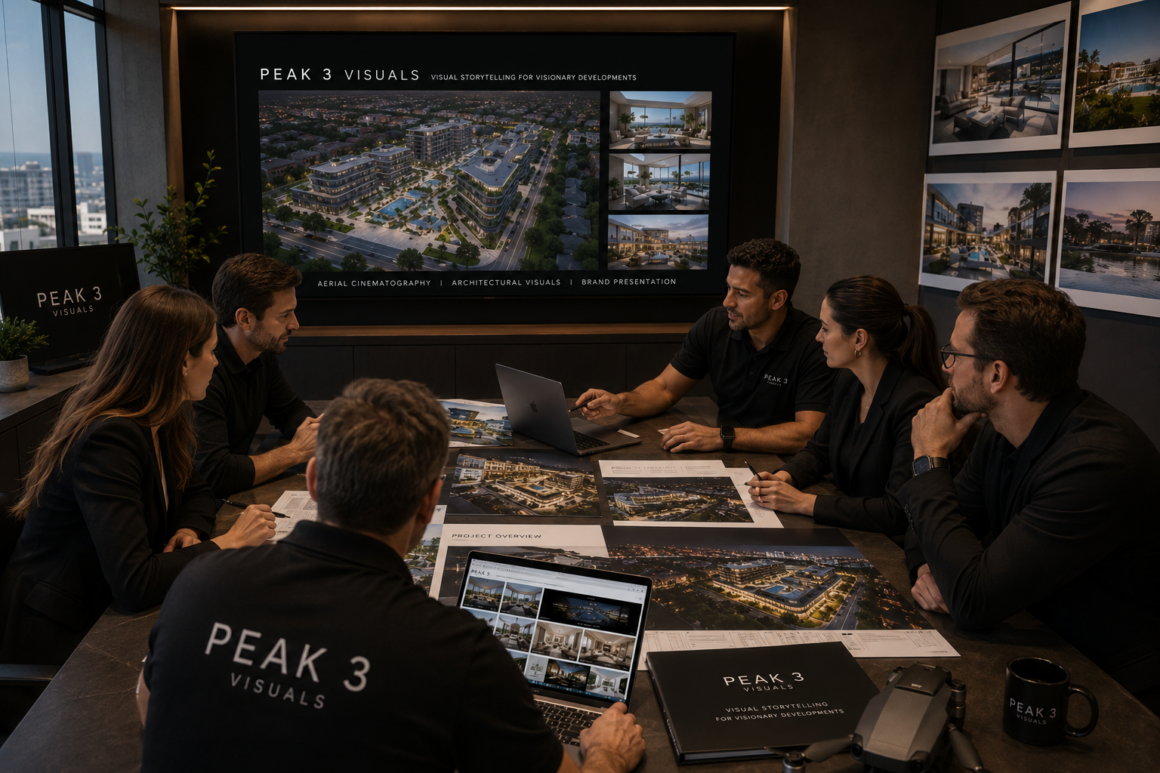
Architecture firms excel at design, but translating that expertise into digital impact often requires specialized visual support.
Working with experienced teams in high-quality aerial videography can help firms:
- Strengthen portfolio quality
- Enhance brand perception
- Improve client trust
- Differentiate in crowded markets
- Expand digital relevance
As architecture becomes more visible online, strategic media is becoming part of professional infrastructure rather than optional marketing.
Why This Matters for the Future of Architecture
As digital expectations continue to rise, architecture firms that prioritize visual storytelling are better positioned to lead.
This does not mean replacing technical excellence with marketing. It means ensuring exceptional work is communicated in ways that modern audiences understand and value.
For firms on platforms like kdarchitects.net, visual storytelling can support:
Long-term advantages:
- Premium positioning
- Better project presentation
- Stronger authority
- Greater audience reach
- Future-focused brand relevance
Final Thoughts
In 2026, architecture firms are investing in visual storytelling because design alone is no longer enough to capture attention in a crowded digital landscape.
The most successful firms are combining architectural excellence with strategic visual communication to create stronger trust, broader influence, and more compelling project narratives.
From drone perspectives to cinematic storytelling, visual presentation has become an essential part of how architecture is understood, valued, and remembered.
For architecture brands looking ahead, the future belongs to firms that not only design extraordinary spaces but also communicate their vision with clarity, innovation, and authority.
FAQ Section
1. Why are architecture firms using more visual storytelling?
Visual storytelling helps firms communicate design value, build trust, and present projects more effectively.
2. How does drone media benefit architecture firms?
Drone media showcases site context, building scale, and environmental integration.
3. Is visual branding important for smaller architecture firms?
Yes, strong visual presentation can improve credibility and competitiveness regardless of firm size.
4. What content performs best for architecture audiences?
Cinematic walkthroughs, aerial footage, project showcases, and design narratives are highly effective.
5. Why are architecture firms investing more in media services?
Professional visual assets improve perception, engagement, and long-term brand authority.