A Guide to Designing Senior Spaces: Integrating Affordable Living Room Furniture in 2026
 Jennifer Jung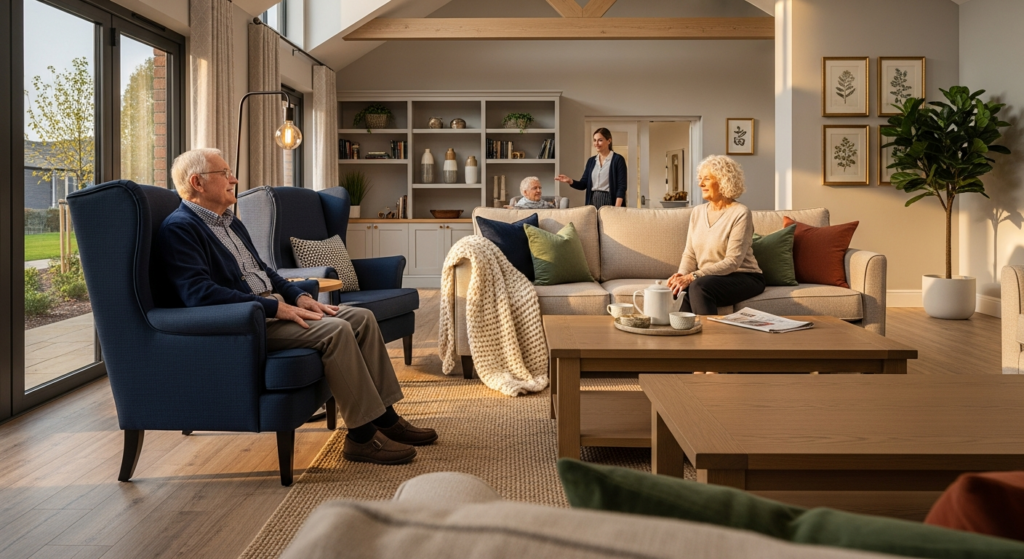
The concept of senior living is undergoing a significant transformation in 2026, moving away from clinical austerity toward comprehensive wellness and comfort. Architects and facility designers are fundamentally changing how they approach communal gathering areas, prioritizing aesthetic warmth while remaining cost-effective. Selecting the right living room furniture within your spatial layout is essential to achieving this modern vision of active, engaged living. This guide explores how to outfit these essential environments effectively.
This article provides practical strategies for designing homelike, safe, and engaging senior spaces on a budget.

Innovative Trends in Living Room Furniture Design for 2026
Current trends in living room furniture design are redefining the blueprints of senior living communities. We are witnessing a major shift toward universal design that elevates homes with smart tech and accessible features, prioritizing overall well-being. Recent industry data shows that active-adult neighborhoods sell 55% faster when prioritizing this wellness-focused approach to community planning. Designers actively warn against sterile, showroom-like aesthetics that feel institutional, favoring character, mixed materials, and varied textures instead.
Embracing Wellness and Warmth
To accommodate both space limitations and resident mobility needs, versatile seating options are proving crucial for these dynamic layouts. In fact, multi-functional pieces have the highest growth rate in the current market, driven by the demand for space-saving solutions. These innovative pieces allow a single room to serve multiple community purposes throughout the day.
Crucial Elements of Modern Senior Design:
- Multi-functional adaptability: Integrating hidden storage directly into modern seating arrangements to maximize usable space.
- Modernized mobility: Upgraded recliner chairs now feature hidden mechanisms and quieter motors that feel more refined while assisting residents.
- Sensory textures: Introducing bouclé fabrics and quilted upholstery to provide necessary tactile depth and visual warmth.
Budgeting for Senior Spaces with Quality Living Room Furniture
Budgeting for senior spaces requires a seamless balance between aesthetic appeal and long-lasting durability.
The Economics of Accessible Design
Architects and facility managers face intense financial realities when outfitting large-scale, sustainable communal environments. The global market is projected to reach $389.2 billion by 2032, highlighting the massive economic scale of interior investments. Simply put, compromising on initial quality leads directly to rapid wear and tear, costing facilities substantially more in the long run.
The average cost to furnish a standard residential space ranges from $4,000 to $18,000, and this expense scales exponentially in commercial senior living. High-quality seating acts as a vital long-term asset, as premium pieces should last 7 to 15 years under daily, heavy use.
Selecting the right seating is much like laying the foundational concrete of a building; it provides the essential structural support for the entire room’s dynamic to function seamlessly. If the foundational investment in interior decor is weak, the ecosystem struggles under the daily pressure of resident activities. Intelligent budget allocation ensures the space remains structurally sound and visually appealing for a decade or more.
| Sourcing Strategy | Pros | Cons | Cost Impact |
| Custom Architectural Builds | Exact specifications and tailored aesthetics | Slow production times | High budget impact |
| Generic Wholesale Ordering | Lower initial purchasing price | Poor durability and sterile designs | High long-term replacement costs |
| Strategic Value Retailers (Surplus Furniture) | Name brands, durable, and readily available | Standardized sizing dimensions | Highly cost-effective and scalable |
Sourcing the Best Living Room Furniture: The Surplus Furniture Case Study
When sourcing items for senior communities, the Surplus Furniture case study stands out as a strong example of affordable, high-quality design.
A Blueprint for Affordability and Style
Surplus Furniture serves as an excellent resource for outfitting these dynamic, high-traffic senior spaces. Their vast, accessible inventory allows developers and designers to build comfortable, homelike environments without exceeding strict project budgets. By prioritizing this type of strategic sourcing, you can secure stylish living room furniture that meets the strict standards of modern senior communities.
This brand provides immediate access to top-tier Canadian and international manufacturers, such as Ashley Furniture and Monarch Specialties. These specific brands offer the necessary durability, solid frame construction, and high-performance fabrics suited perfectly for demanding communal areas. Sourcing from recognizable names ensures residents enjoy optimal comfort while facility managers benefit from enduring structural integrity.
Furthermore, Surplus Furniture delivers crucial operational benefits that align perfectly with demanding commercial construction timelines. Their iSave Best Price Guarantee, Same-Day Delivery, and flexible financing options, including 100% Free Layaway, are essential tools for developers. These operational advantages ensure that vibrant communal areas are fully furnished on time and exactly on budget, preventing costly project delays.
The Enduring Blueprint of Living Room Furniture
The fundamental role of living room furniture in senior communities is a testament to the power of thoughtful, accessible design. Creating homelike, safe, and engaging environments does not require developers to compromise their financial bottom line. By utilizing strategic sourcing models, architects can easily supply their projects with pieces that are both beautiful and built to withstand rigorous use. Intelligent procurement is the essential key to elevating standard facilities into welcoming, vibrant communities.
KDArchitects.net provides ongoing insights into these evolving design and architectural trends. As the industry continues to advance rapidly, prioritizing resident well-being will always dictate the structural layout of interior spaces. Ultimately, the careful selection of seating and decor transforms empty floor plans into authentic, supportive homes where seniors can truly thrive.