Roger Morph
Visual harmony in interior spaces relies on lighting choices as much as on furniture and finishes. Many common frustrations in homes stem from lighting that is too flat, overly bright, or unevenly distributed. Purposeful layering of light is one of the most effective ways to support comfort, functionality, and atmosphere.
Thoughtfully composed spaces can appear disconnected or uninspiring when lighting is overlooked or treated as an afterthought. Visual comfort chandeliers, for example, are often used as both focal points and functional elements within coordinated lighting plans, illustrating the impact of integrated lighting design. Carefully designed lighting schemes enhance architecture, reveal material qualities, and ensure daily spaces meet diverse needs.
Why unlayered lighting undermines spatial comfort
The sensation of “visual harmony” often hinges more on lighting than on any single decorative choice. When a room relies solely on overhead fixtures or recessed cans, you frequently experience glare, dull areas, or uncomfortable shadows that diminish architectural intent. These issues result in flat visual fields or neglected corners, which can make the most carefully designed spaces feel lifeless.
Another symptom of unlayered lighting is the overuse of uniform downlighting, which can turn ceilings into a distracting “grid” and leave seating or circulation areas dim. Without varied light sources, important features go unnoticed and activities become more difficult to perform comfortably. This lack of dimension prevents any sense of depth or hierarchy, causing surfaces and finishes to lose their intended impact.
How lighting layers support architectural features
Layered lighting refers to the strategic use of several distinct sources: ambient for general illumination, task for focused activities, accent to create visual interest, and decorative elements adding both style and light. When these types are coordinated, they complement one another so spaces function well and feel visually coherent.
Ambient lighting establishes a base level of brightness, often achieved via ceiling-mounted or indirect sources that evenly disperse light. Task lighting is carefully directed toward working or reading zones, while accent lighting highlights art, texture, or unique surfaces. Decorative fixtures act as both sculptural elements and supplemental light, uniting practical needs with aesthetic purpose.
Integrating lighting with spatial planning decisions
Effective lighting design begins with a careful reading of the architectural plan. Consider ceiling heights, window placement, and key sightlines to determine which surfaces demand emphasis and where shadows might fall. Circulation paths and focal zones, such as fireplace walls or feature shelving, provide cues for placement and type of lighting fixtures.
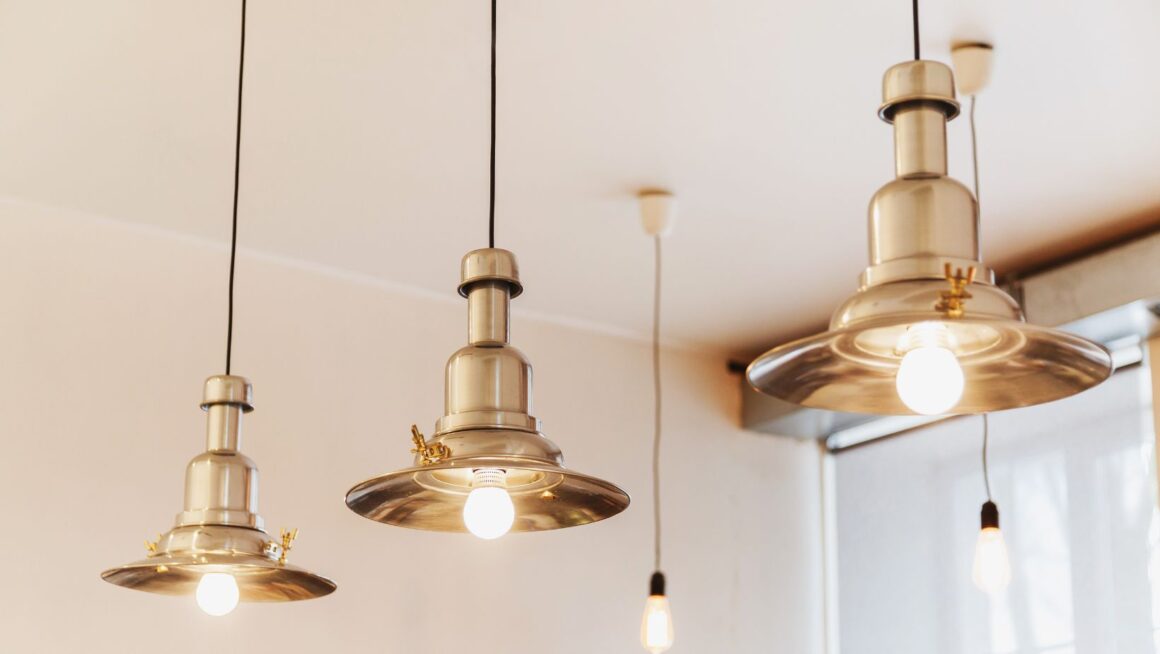
Coordinating fixtures with millwork, built-ins, and finish reflectance increases lighting efficiency. When materials like stone, wood, or glass are deliberately illuminated, their texture and color are revealed, offering richness to the visual palette. Managing these relationships from the early stages of design supports a seamless blend between light sources and structural features.
Executing effective approaches across all lighting layers
Ambient lighting should avoid monotonous “grid layouts” by balancing direct and indirect illumination. Wall washing, coves, or concealed uplighting produce a sense of depth and comfort without harsh contrast or glare. Task lighting in kitchens, bathrooms, or workspaces needs focused beams to minimize shadows, with attention to both vertical and horizontal surfaces you use most frequently.
Accent lighting should shape how you perceive layers, guiding focus toward featured artworks, architectural transitions, or intricate textures. Thoughtful contrast ratios enhance spatial hierarchy and prevent any one area from overpowering the whole. Decorative elements, if properly scaled and positioned, contribute to atmosphere without dominating a room or adding discomfort.
For example, Visual Comfort offers a variety of decorative and architectural lighting designed to suit both residential and commercial environments. Developing room-specific strategies helps prioritize the right lighting layers: in living rooms, blending ambient and accent lighting offers flexibility; in bedrooms, gentle ambient layers can be matched with task lamps. Dining areas commonly combine pendant or chandelier lighting with wall-mounted accent fixtures for added depth and rhythm.
Common errors include mismatched color temperatures, poorly scaled fixtures that throw off proportions, or zoning switches that confuse occupants. Insufficient attention to vertical illumination and nighttime settings results in uncomfortable or impractical environments. Addressing these pitfalls with deliberate choices and user-friendly controls helps ensure each room remains adaptable and visually balanced through all hours.
Layered lighting offers a consistent method to unite comfort, function, and design character, ensuring that architectural intent is supported by clarity and atmosphere in day-to-day living.