Roger Morph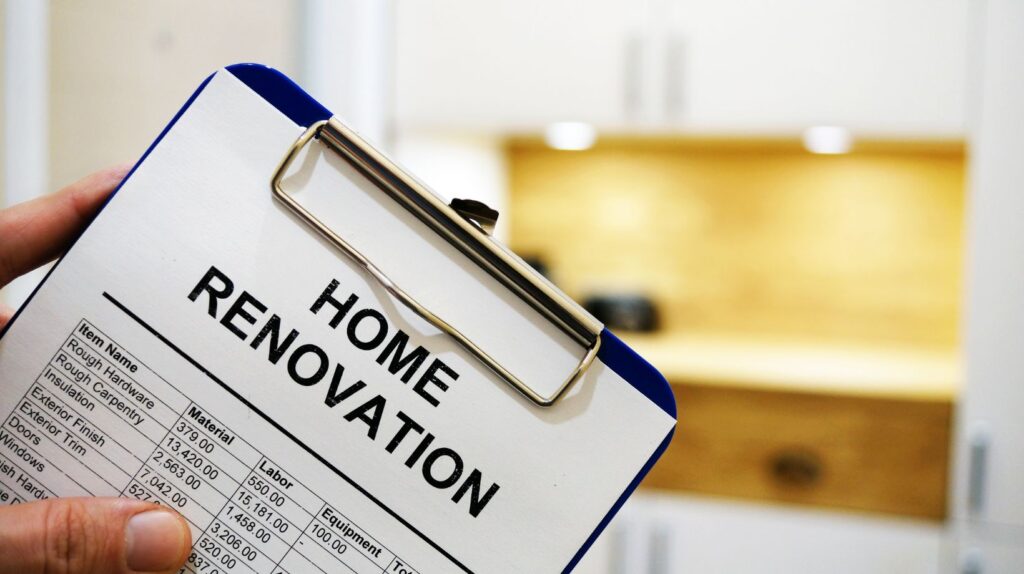
Online forums are filled with homeowners lamenting how quickly renovation costs can rise when they make design changes, underestimate labor, or start work without a detailed plan. A Fortune report indicates that 80% of homeowners exceeded their budgets in their last renovation. Data compiled by Hardwood Floors, meanwhile, shows that many Americans underestimate their remodeling project costs by around 46%. If you are considering major work in your own home, keep two factors in mind: trade rates (labor, materials, and specialist work) and design plans (which detail the project’s scope and specifications).
Defining the Scope of Your Project
To create a realistic budget, start by creating a detailed project brief that lists improvements and separates essential work from optional upgrades. Consider categories such as structural changes, heating and plumbing, flooring, and new fixtures. Include cosmetic upgrades, such as painting, material changes, and fitted furniture, in this budget. Carry out a room-by-room inspection to ensure you don’t miss anything. To ensure contractors work from the same scope, include measurements, photographs, preferred layouts, required fixtures, and planning or building control considerations in the project brief. In many cases, contractors may offer to visit your home. For instance, if you are adding an extra bathroom or high-flow shower, you may need a different boiler system to meet your new hot water needs. Invite contractors for a preliminary viewing of your home so they can determine the scope more accurately.
Comparing Quotes
Once you have created a detailed brief, compare the quotes sent by different contractors. Ensure their quotes separate the costs of labor, materials, permits, and other expenses, and include both pre- and post-VAT prices. If one contractor’s quote seems much lower than the others, double-check to ensure they haven’t omitted any essential tasks or materials. While cheaper materials may be tempting, it is also vital to consider the long-term implications of choosing better-quality materials.
Choosing a Contractor
Once you have a shortlist of your preferred contractors, check that they have the required licenses and certifications, as well as insurance to cover unforeseen problems. It is also wise to check online forums and Trustpilot, and to ask for references from past clients. Photographs of completed projects also help you gauge the quality and style of each contractor’s work. When choosing a contractor, make sure a project manager coordinates workers, approvals, and communication. Finally, never take the contract as a final guarantee of costs. Set aside a contingency fund for problems that may be discovered as work progresses.
Obtaining Warranties or Guarantees
Having a warranty or guarantee can save you a considerable amount of money in the long run. If you are undertaking a kitchen remodel, for example, and you are unhappy with the plumbing or cabinets, a “no-guarantee” job could mean paying the full cost of replacements. If you are remodeling your bathroom, meanwhile, and waterproofing goes awry, you could spend over $10,000 just on mold mitigation. For a general home project, a structural layout that violates building codes could cost you 100% of your investment. That’s why it pays to ask your contractor for a warranty, whose terms will depend on the work being carried out. For instance, you may request a one-year warranty for finishes; a three-year warranty for plumbing, electricity, and damp; and a ten-year warranty for major structural damage.
Designing Plans as a Means of Cost-Control
Planning aspects such as the layout of different spaces, the position of lighting, and flooring transitions can all influence your budget. If you enjoy using design tools, there are plenty of user-friendly floor-plan apps, design software, measuring apps, and even estimating software that can help you prepare detailed 2D and 3D plans. Tools like Floorplanner, Planner 5D, and RoomSketcher invite you to consider not only fixtures but also furniture. Doing so allows you to add unexpected items to your budget. During this stage, consider your priorities. If budget is an issue, you may prioritize long-term features such as flooring and energy-efficient windows and save decorative finishes for the future.
Creating a detailed project brief and design plan can help you save money by clarifying exactly what you need and what each aspect of the renovation costs. When obtaining quotes from contractors, make sure that each category (including material costs, labor costs, and contingencies) is accounted for. Work with trusted, recommended contractors and ensure you have a warranty or guarantee that aligns with common trade practices.