Catch Basin Maintenance for Better Site Drainage: The Simple Debris Check That Prevents Parking-Lot Flooding
 Roger Morph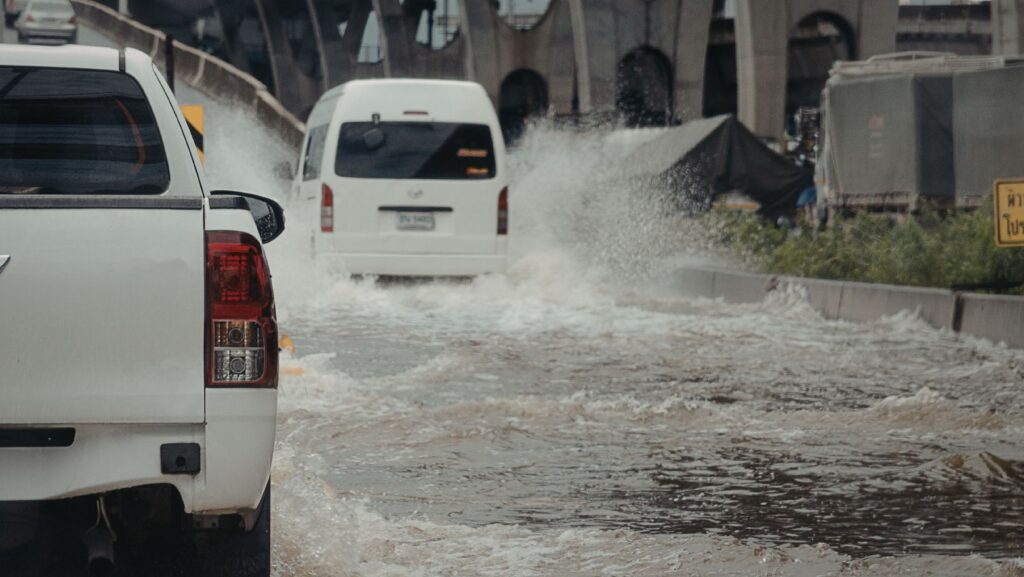
We have all seen it happen after a heavy summer downpour. You pull into a shopping center or pull up to your office building only to find a massive, lake-sized puddle blocking the main entrance. Usually, this results in soaked shoes and frustrated tenants, but for property managers, it is a sign of a much bigger headache. Most of these miniature floods aren’t caused by a broken pipe or a natural disaster. Instead, they happen because someone forgot to look down. Investing in local storm drain maintenance services is the easiest way to keep your pavement dry and your structural integrity intact before the clouds even start to gather.
The Role of the Catch Basin
Before we get into the “how-to,” we should talk about what that metal grate is actually doing. A catch basin is essentially the gateway to your underground drainage system. It is designed to catch water, but its secondary job is just as important: catching everything else.
The basin features a sump, which is a structural low point below the outlet pipe. This area is meant to collect sand, grit, and small pieces of trash so they don’t flow into the main sewer lines. When the basin is working correctly, the heavy stuff sinks to the bottom, and the clean water flows out the side. However, that sump has a limited capacity. Once it fills up, there is nowhere for the debris to go but into the pipes, or worse, back up onto your asphalt.
Why Debris is Your Biggest Enemy
It starts with a few stray leaves in the autumn. Then comes the grass clippings from the spring landscaping crew. Throw in some discarded coffee cups and a bit of gravel from a crumbling curb, and you have a recipe for a localized flood.

When debris builds up over the grate, it acts like a giant plug. Even if the pipes beneath are perfectly clear, the water cannot enter the system. This leads to stagnant or standing water. Standing water is not just an eyesore; it is a liability. It hides potholes, creates slip-and-fall risks, and eventually seeps into the sub-base of your parking lot. Once water gets under the asphalt, it begins to erode the foundation, leading to expensive “alligator cracking” and sinkholes that cost thousands to repair.
The Simple Five-Minute Check
The good news is that preventing these disasters does not require an engineering degree. A simple visual inspection can save you from an emergency call-out.
Walk your property at least once a month, and specifically after any major windstorm. Look for “ghosting,” which is the term for those dried-out piles of leaves and silt that gather around a grate. If you see a thick mat of organic material covering the metal bars, remove it. You should also look inside the grate with a flashlight. If the standing water is sitting just a few inches below the rim during a dry spell, your basin is likely packed with sediment and needs a professional vacuuming.
When to Call in the Pros
While a rake can handle surface issues, the real problems usually lurk deep in the sump. You can’t just hose out a clogged basin; that just pushes the problem further into the city’s infrastructure. This is where specialized equipment is needed.
Most commercial properties benefit from professional storm drain cleaning services at least once a year. These teams use high-powered vacuum trucks to suck out the heavy sludge and “vactor” the lines to ensure the flow is completely unobstructed. They can also spot structural issues, like a shifting concrete ring or a rusted-out grate, before the unit collapses entirely. Getting ahead of these repairs is always cheaper than dealing with a collapsed drain in the middle of a busy business day.
The Impact on Your Bottom Line
Managing a property is a balancing act of expenses. It is tempting to push off drainage maintenance because it is “out of sight, out of mind.” But think of it like an oil change for your car. You can skip it for a while, but the eventual engine failure will cost ten times as much as the preventive care.
A well-maintained drainage system extends the life of your parking lot by years. It keeps your storefronts accessible and keeps the local environmental inspectors happy. Many municipalities have strict codes about runoff and pollutants, and a neglected catch basin that overflows into the street can lead to hefty fines.
Final Thoughts on Drainage Health
Keeping your property dry is not a matter of luck; it is a matter of consistency. By taking a few minutes each month to check for debris and scheduling regular local storm drain maintenance services, you are protecting your biggest physical asset. A clear grate means a clear mind when the next big storm rolls through. Don’t wait for the water to start rising to realize your drains are full. A little proactive cleaning today ensures your parking lot remains a safe, dry place for your customers and employees tomorrow.