Involvement of Different Personnel with a Mobile Aerial Work Platform: Know More!
 Roger Morph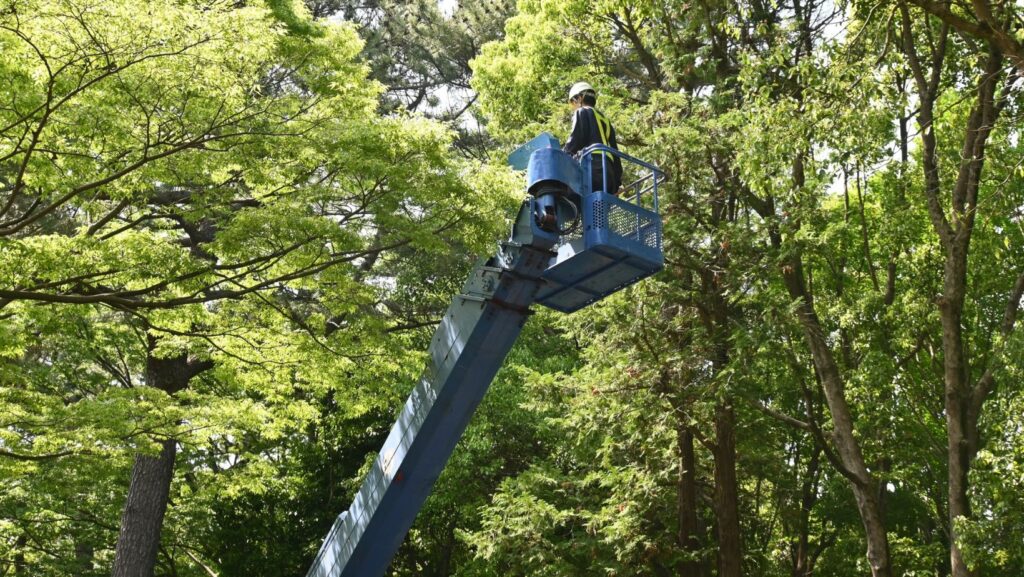
Mobile equipment range consists of various options, of which aerial lifts, or mobile aerial work platforms, are a well-known category. These are used at heights and in places where scaffolding or ladders might not help. Due to smooth mobility, these aerial lifts make workers’ lives easier even at heights. They don’t have to think about reassembling or disassembling scaffolding when changing job sites. Boom lifts allow them to perform their tasks at elevated heights with controlled risk. They can raise and rotate the work platform as needed, up and outward, until the work area is comfortably reached. These lifts can be available in different configurations. You must have already heard about telescopic ones, which offer maximum reach.
A mobile aerial work platform, however, is managed by different people in any industrial or commercial setting. Each of them must know their job well and be trained in the equipment.
- Operators
These aerial lifts are controlled by operators who must have up-to-date training in new standards and be authorized to use a specific configuration. For example, a boom lift operator cannot operate a scissor lift. Operators tend to be familiar with aerial lift terminology, the responsibilities of all stakeholders, safety hazards and their prevention, suitable operating procedures, etc. They are hands-on individuals.
- Supervisors
Supervisors are responsible for selecting the appropriate MEWP for a specific task and ensuring operators adhere to safety standards without exception. They must know the types of hazards involved in operating equipment like this and be careful in choosing the operator as well. They are the safety overseers when it comes to using an aerial lift. Hence, they should also have proper training in this area.
- Occupants
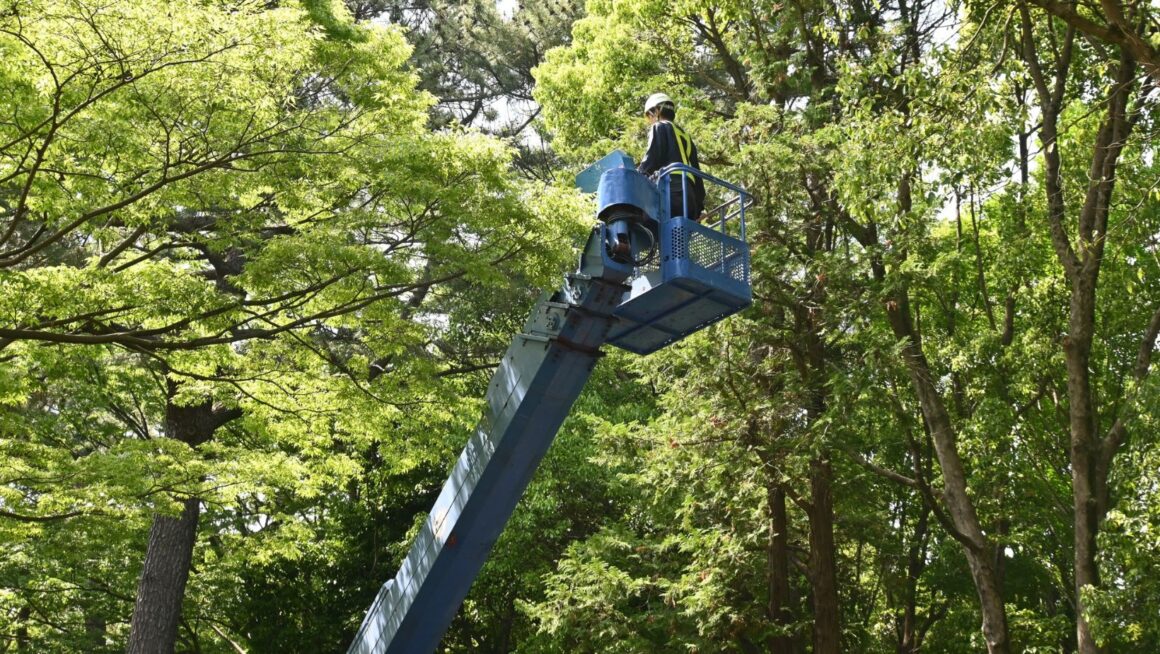
They are not the primary operators. Occupants usually accompany them in the basket or bucket. Under the new rules, these workers must have basic safety training, though they don’t need operator certification. It is the operators’ duty to inform occupants about the use of fall protection, including anchorage points, emergency controls for operation, basic safety rules, and hazard-prevention techniques. They should not lean out of the platform, add excess load to it, or do anything that could hamper the machine’s stability. Essentially, they should be careful about actions that can cause trouble to themselves or others.
- Maintenance technicians
As is evident, these professionals handle the inspections and repairs of aerial lifts. They must be properly trained to maintain the equipment in accordance with ANSI/CSA standards and the manufacturer’s recommendations. These people have to perform regular inspections to avoid any unwanted scenarios. They should thoroughly check any aerial lift that will be used for the first time or has been on hold for over 3 months. An annual evaluation should also be done without fail. It is their duty to keep the machine in a safe, working condition.To be precise, operating an MEWP is not easy. Everyone, including supervisors, maintenance staff, occupants, and operators, needs to be familiar with the equipment. All of them must have training, although the requirements may vary based on the nature of their job or duties. It helps eliminate fall risks and ensure safety. In this context, the quality of aerial lifts also matters. It’s crucial to buy or rent this equipment from only recognized players, like https://www.bladeplatforms.com/.