Jennifer Jung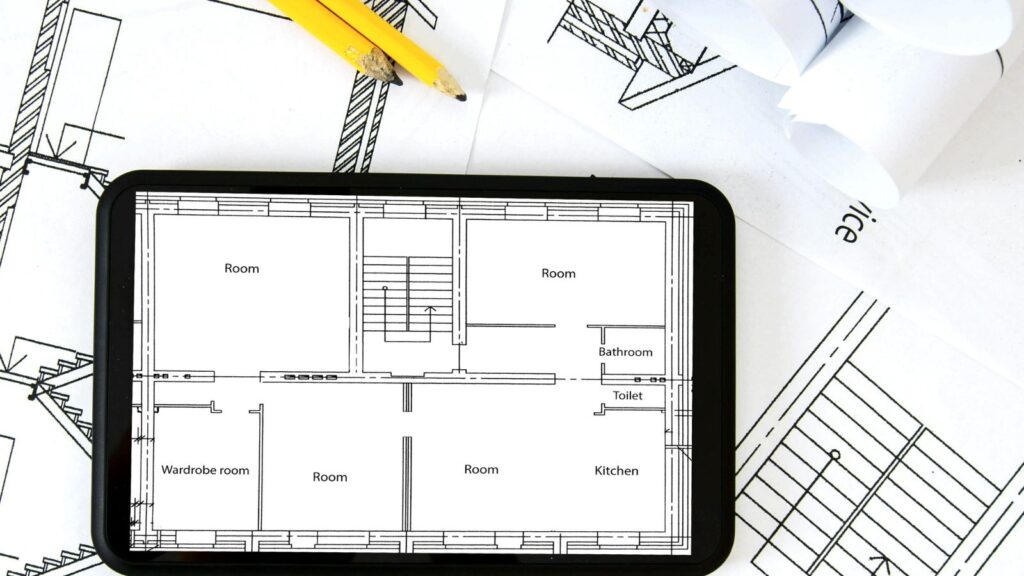
Designing houses has always been an exercise in creative precision.
Over the course of centuries, as concepts go from parchment-and-charcoal sketches to complex CAD diagrams, the tools and methods architects use to create a sense of space and scale continue to evolve with each passing year. Today’s digital floor planner tools are helping to shape the early concepting, iteration, and communication of homes — a particularly critical phase of development when architects and designers need to convey their ideas as quickly and clearly as possible.
From Concept to Spatial Logic
A plan is a diagram or drawing made to scale to represent the top view of a three-dimensional space or room. It represents visually the position of various elements of a property, their interconnectivity and everything related to the design of the object. Moreover, it shows us the design, size of the rooms, positioning of lights, shapes of the walls, how the furniture is arranged in the room, etc.
There are many tools that can generate plans for us in order to facilitate our design process. Modern tools generate the layout for us. Architects can easily create variant designs according to the respective constraints in very little time and multiple options can be compared by the spatial hierarchy analysis.
Supporting Early-Stage Design Decisions
One of the best things about using digital design tools for planning is the ability to work in a more conceptual way. While we need to verify living spaces, building envelopes or structural systems before material finishes, designers need to know if the layout will actually support their clients’ lifestyle. How can we fit enough storage in the home, the arrangement of the spaces that will hinder or enable them to move around the home, and where will they put furniture? All these factors and more will dictate how a home actually feels like living in it
With user-friendly floor plan software, designers can get a feel for all these attributes more efficiently. Not only can they use the drafting functions to quickly plan spaces out, but with spatial visuals, they find it easier to communicate directly with their client while being able to show the client their planned concept in a way they can understand. This way, discussion on the best way to progress can happen as issues or client expectation misalignments come out, not 7 weeks into the project.
Enhancing Client Collaboration
Many aspects of modern home design have changed over the years, one of the biggest changes being client participation. Today’s clients want to know not only how a space is going to look, but how it’s going to work. With a digital floor plan, they can easily visualise a space and edit it as necessary while meeting with the project team.
Showing different space options remains helpful for client understanding. For example an open kitchen vs a slightly separated kitchen. The more information the client has at the beginning of the process increases satisfaction and can reduce final changes there will be, saving you time and money.
Integration with Broader Design Workflows
Although they’re often synonymous with design infancy, floor planning tools are also a natural complement to the architectural process. A napkin sketch or conceptual model conveys intentions about area usage, zoning, structural bays, and the prioritisation of assets (like daylight exposures and cross-ventilated environments).
When testing and iterating on design concepts, many professionals draw from prescriptive guidelines and best-practice processes. Architects lean on spatial requirements found in the Royal Institute of British Architects (RIBA) standards. Designers get inspired by project deep-dives on ArchDaily. Space planning tools are a bridge for connecting these mental models to existing professional references early in the design process, well before creating detailed construction documents.
Accessibility for Small Studios and Independent Designers
Not every architect’s office is a colossal team backed up in a full stack of BIM functionality. For small firms and independent designers, accessible digital tools can provide a pragmatic solution to maintain design quality, free of the burden of excessive overhead. The sooner they can churn out and reconsider plans, the more rapidly they can iterate over their deliverables. Maintaining pace allows them to compete, and competition keeps the work fun and exciting — for themselves, and for their own customers.
A Foundation for Thoughtful Home Design
Today’s home design, now more than ever, grows out of the changing needs and lifestyle habits of those who live within it. Architects adjust the floor plans according to a desire for home offices, open-concept layouts, and multi-generational living. Thoughtfully considering the floor plans of the home design is baked into the process of good architecture. Digital floor planning tools don’t replace this — they strengthen it, providing clarity, speed, and ease of collaboration in the exact stage where it’s needed most.
When design-forward platforms and practices make use of floor planning tools, they’re doing more than simply making the most of the digital age. They’re letting their clients know that their architecture is creative and mindful of their needs. A strong floor plan is still the backbone of every great home — and today’s digital solutions make sure that foundation is clearer, stronger, and more accessible than ever.