Jennifer Jung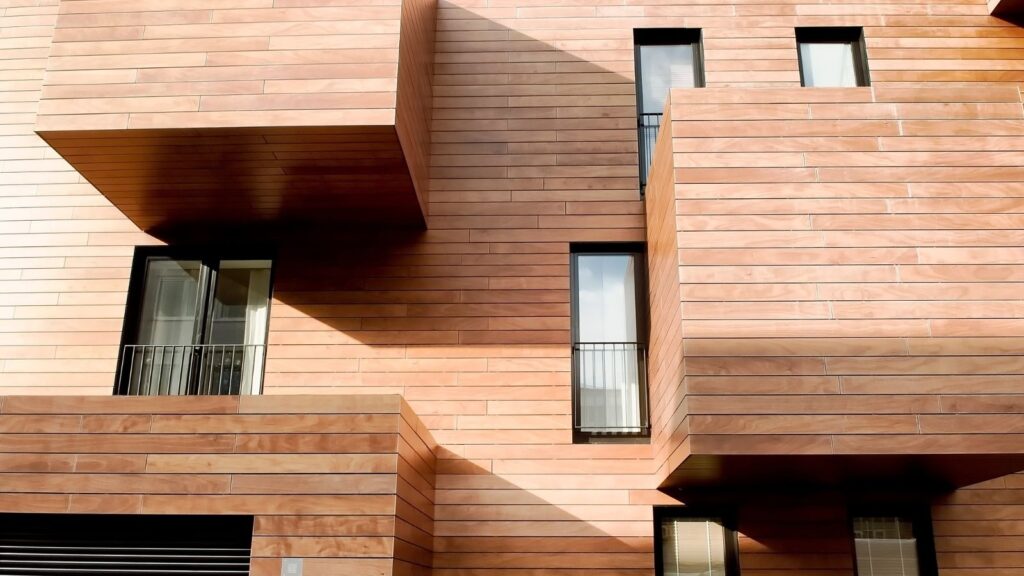
Weathered timber can lose its original colour in as little as three months, a transformation that surprises many homeowners who’ve just invested in beautiful timber cladding. This natural process isn’t damage, simply timber adapting to its environment. UV radiation breaks down lignin in the wood’s cellular structure and creates the characteristic silver-grey patina we associate with aged timber. The speed varies by location. High-rainfall areas accelerate the greying process compared to drier climates. This piece explores the science behind weathered timber cladding and wall panels, factors affecting the weathered timber texture, and your options for achieving or preventing the grey weathered timber look, including pre-weathered timber cladding solutions.
The science behind timber weathering
What causes the colour change
The colour transformation in timber cladding stems from chemical reactions occurring within the wood’s cellular structure. Lignin constitutes about one third of timber’s composition and accounts for 80-95% of UV absorption. Ultraviolet light exposure breaks it down. This degradation creates a photochemical reaction that transforms lignin’s yellowish-brown compounds into simpler structures. Rainfall washes these degraded components away once broken down, exposing the cellulose fibres beneath that appear grey or silver.
Wood also contains extractives, natural compounds that contribute to timber’s original hue. Moisture exposure causes these extractives to leach out, further altering the weathered timber look. Different species contain varying amounts of extractives. This explains why some timbers change more dramatically than others during the weathering process.
The role of UV radiation
UV light is responsible for the majority of surface changes in timber cladding. Lignin contains many chromophoric structures that absorb UV radiation strongly, making it vulnerable to photodegradation. Photo-oxidation occurs when UV energy breaks chemical bonds in lignin molecules. The resulting free radicals then react with atmospheric oxygen and accelerate the breakdown of surface wood cells.
Shorter wavelengths of visible light also contribute to photodegradation, though UV radiation remains the dominant factor. North-facing surfaces receive more intense UV exposure in Australia and weather faster than south-facing walls. Coastal environments add salt spray to the equation, which acts as an abrasive element that scrubs away degraded surface layers more quickly.
How moisture accelerates the process
Timber is hygroscopic, meaning it absorbs and releases moisture from its surroundings continuously. This expansion and contraction cycle works in tandem with UV degradation. Rainfall doesn’t just wash away broken-down lignin. It strips natural oils and tannins from the wood, hastening the grey weathered timber appearance.
Weathered surfaces remain wet for longer periods following precipitation. This creates sustained contact between water and degraded wood fibres. High-rainfall regions such as tropical Queensland and coastal New South Wales can produce visible greying within months rather than years through this accelerated moisture cycle.
Why weathering doesn’t mean damage
Weathering affects only the surface layer of timber cladding without compromising structural integrity or performance. The process is photochemical, a surface phenomenon that doesn’t indicate decay or rot. The silvery-grey patina forms on the outermost wood cells while the timber beneath remains sound and functional. It maintains its load-bearing capacity and weather resistance.
Key factors that affect how timber cladding weathers
Building location and climate
Regional climate determines the decay hazard your weathered timber cladding faces. Australia categorises climate zones based on rainfall and temperature, and tropical and subtropical regions such as northern Queensland, the Northern Territory, and coastal Western Australia present the highest risk for faster weathering. Coastal areas introduce salt spray that accelerates the process by scrubbing away degraded surface layers. High-rainfall locations can turn timber grey within months, but arid zones like inland South Australia and Western Australia slow the transformation down. Moist and warm climates speed decay potential even more.
Aspect and sun exposure
North-facing walls weather fastest in Australia due to prolonged UV exposure, while south-facing surfaces grey more slowly but can still achieve uniform results over time. North-west facing installations bear the brunt of afternoon heat and UV intensity across much of the country. West-facing installations also experience strong winds and rain, especially in coastal or elevated locations. Shaded walls may take years longer to develop the grey weathered timber patina and create visible contrast across a single building.
Timber species and natural durability
Natural durability varies between species and affects weathering rates. Australian standards classify timber into four durability classes, and Class 1 heartwood exceeds 40 years above-ground life expectancy while Class 4 lasts under 7 years. Locally available species such as spotted gum, blackbutt, and ironbark offer excellent natural durability and resist moisture and UV damage longer, which slows the greying process. High-quality resinous imported woods like western red cedar are also popular choices. Different species also weather to different grey shades depending on their density and extractive content. Heartwood resists decay, but sapwood requires treatment whatever the species when used in exposed conditions.
Applied finishes and treatments
Protective coatings delay but don’t prevent the weathered timber look. UV-resistant finishes require three to four coats for standard exposure, and extreme conditions demand additional applications. Clear coatings preserve original colour longer by blocking UV penetration and moisture absorption. Cladding in outdoor locations shows advanced greying after 12 months without treatment. Maintenance schedules range from recoating every six months to zero maintenance, depending on climate and UV exposure.
Architectural design features
Building form influences weathering patterns. Structures without eaves experience fastest weathering at upper corners where wind-driven rain concentrates. Overhangs create differential weathering by blocking both sun and rain, and sheltered areas grey more slowly than exposed sections. Vertical cladding sheds water faster than horizontal orientation and reduces moisture contact time. Areas subject to splashing during rainfall develop the weathered timber texture more quickly.
Timeline: what to expect from your timber cladding
First 3-6 months
Fresh installations undergo visible changes within weeks of exposure. At first, many species display temporary brown staining as extractives rise to the surface and oxidise. This surprises homeowners expecting immediate greying, but it’s a normal precursor to the weathered timber look. UV degradation begins stripping the original colour next, and lighter brown tones start appearing over the facade.
Colour changes unevenly during this period. Sun-exposed areas fade faster and create tonal variations that can appear patchy. Cedar and redwood start their transformation toward silver-grey, though the full patina remains months away. Similarly, composite materials lighten to a weathered colour tone within this timeframe.
6-12 months
Untreated cladding shows advanced progression toward grey. The wood continues transforming over 6-8 months to lighter, brighter grey tones. Cladding is well on its way to greying after 12 months without protective finishes. Cedar settles into soft grey hues, with grain texture becoming more pronounced.
1-2 years
The uniform silver-grey patina emerges between 12-18 months. Colour becomes consistent over the whole facade as sheltered areas catch up to sun-exposed sections. Oak and chestnut grey over a couple of years, while western red cedar can change more quickly in sunny or coastal locations. Treated products reach their final colour after 2-3 years.
Long-term weathered timber look
Timber maintains its silver-grey appearance for years without further rapid change once fully weathered. The patina represents a stable surface that resists additional transformation. This enduring grey weathered timber aesthetic blends buildings into their environments.
How to control or embrace the weathering process
Options for achieving grey weathered timber
You have three pathways to the grey weathered timber aesthetic. Professional factory finishes like SiOO:X accelerate the process and transform timber within 6-8 months to lighter grey tones with up to 15 years of service life. Greying accelerants deliver consistent results faster than natural weathering. Certain penetrating oils allow timber to silver naturally while providing protection. Cutek Extreme CD50 lets wood lighten and grey when exposed to sunlight while retaining protective characteristics.
Pre weathered timber cladding solutions
Pre-weathered products eliminate waiting periods. Accoya Color Gray features grey dye infused throughout the board depth and maintains consistent colour even after cutting or wear. Factory-applied treatments like Luna Arctic provide immediate silver-grey finishes with minimal maintenance requirements.
Maintaining the original colour
UV-resistant finishes containing pigments and UV blockers shield timber from photodegradation. Semi-transparent stains offer a middle ground and allow some weathering while preserving degrees of original colour. Recoating schedules range from 6-12 months depending on exposure.
Natural weathering vs protective coatings
Clear, penetrating oils like Radial Timber Sealer provide water repellency without pigments or UV inhibitors and allow natural greying while controlling moisture content. This approach prevents splitting and warping as long as timber receives protection against moisture-related damage.
Conclusion
Timber weathering is a natural aesthetic transformation rather than structural deterioration. Your cladding might grey within three months or take several years. This depends on climate and sun exposure. You now understand the science behind the silvery patina and can make informed decisions about your facade’s future appearance. Choose protective coatings if you prefer the original colour, or adopt the grey weathered timber look for a low-maintenance, timeless aesthetic that blends with natural surroundings.