Side Yard Makeover: Smart, Space-Saving Landscaping Ideas for the Side Of Your House (2026)
 Pyrrothian Lyxterand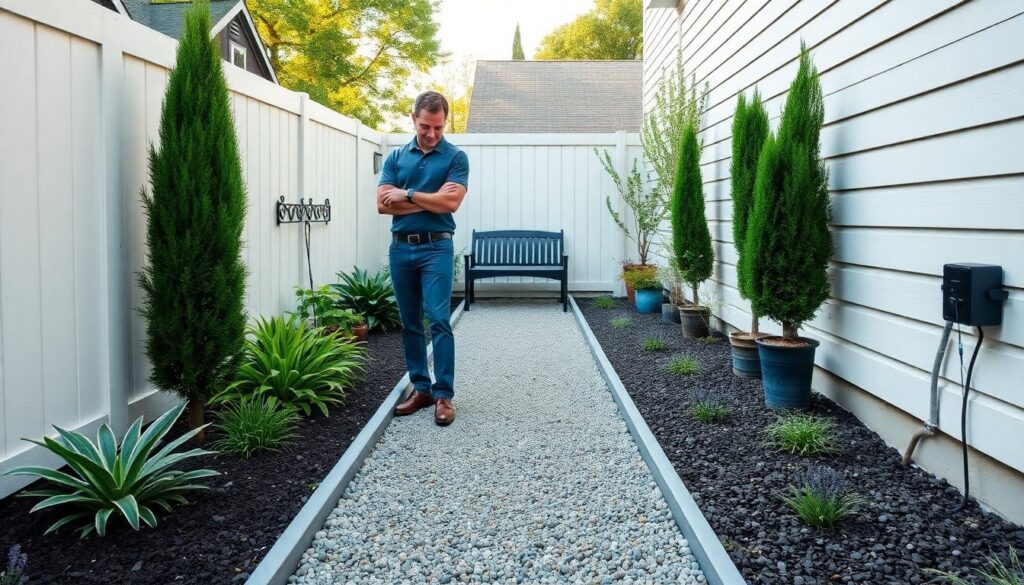
Homeowners often ignore narrow side yards. Landscaping ideas for side of house help reclaim that space. This article gives clear, practical ideas. It shows plant choices, paths, and privacy solutions. It focuses on low work and big impact.
Key Takeaways
- Landscaping ideas for side of house start with assessing the side yard’s dimensions, sun exposure, soil, and practical constraints to guide design choices.
- Choose low-maintenance plants suited for narrow spaces and grouped by water needs to simplify care and enhance efficiency.
- Select plants based on light conditions: shade-tolerant hostas and ferns, sun-loving lavender and sedum, and columnar shrubs for tight spots provide balanced greenery.
- Incorporate functional hardscaping like narrow paths with stepping stones or decomposed granite and add focal points for flow and visual interest.
- Enhance privacy and vertical space with lattice screens, climbing vines, narrow trellises, and tall evergreen shrubs to create a calm and appealing side yard.
Assess Your Side Yard: Measure, Microclimates, And Practical Constraints
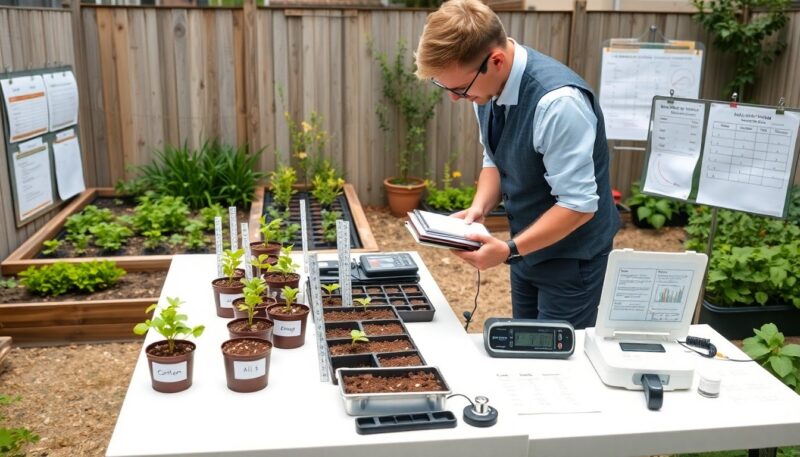
Start by measuring length and width. They give exact planting and path options. Note sun exposure every four hours. Sun data tells which landscaping ideas for side of house will succeed. Check soil by digging a small hole. Test drainage after a rain. Look for utility lines and vents. They limit deep planting and heavy structures. Check access points and gate swing. They affect path design and maintenance access. List maintenance time available each month. The list guides plant and material choices and prevents projects that need lots of work.
Low-Maintenance Planting Strategies For Narrow Spaces
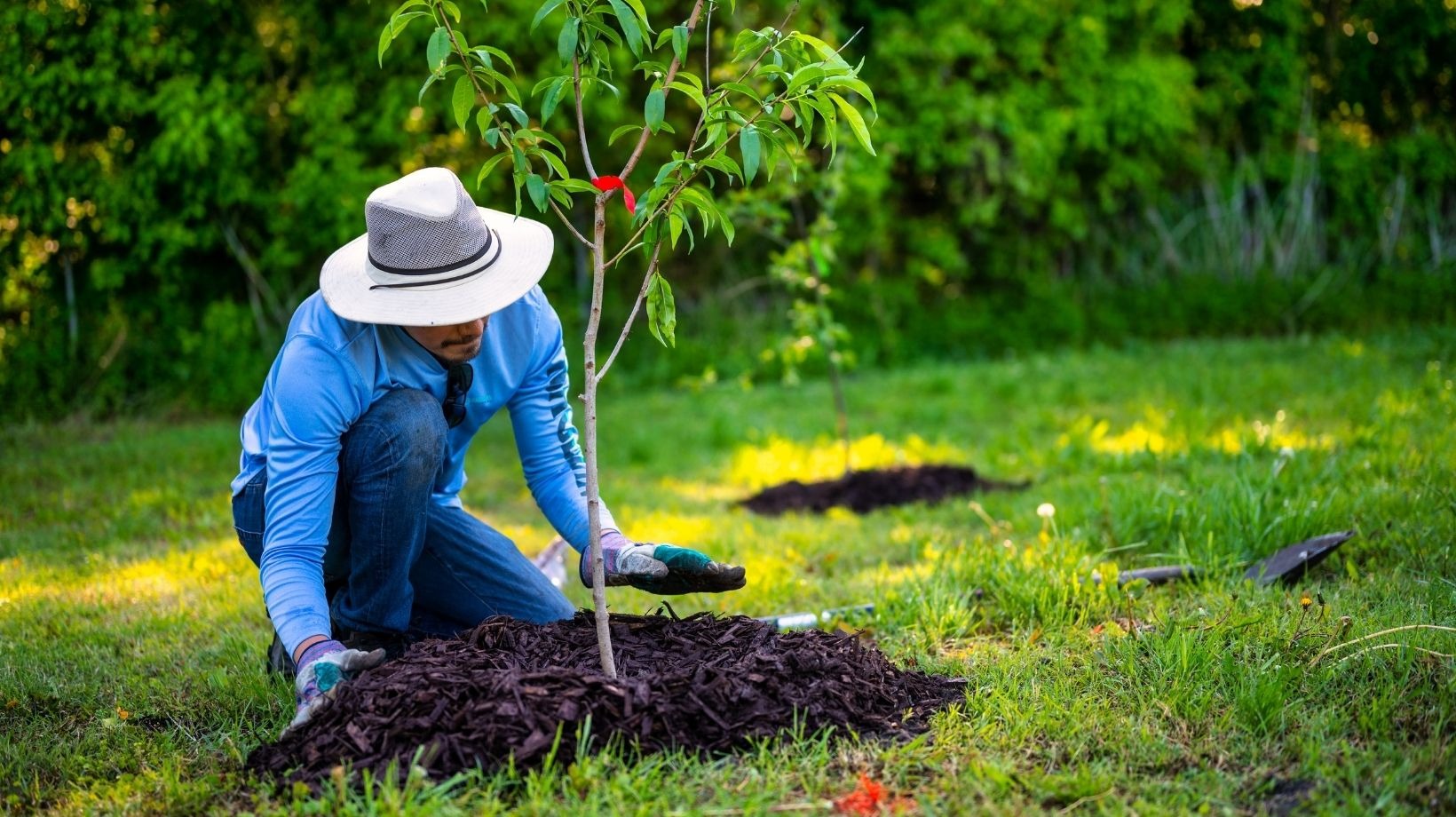
Choose plants that fit narrow spaces and low care. Group plants by water needs. A single irrigation zone saves time. Use drip irrigation and timers. They reduce overwatering and cut chores. Mulch the bed with organic mulch two inches thick. Mulch suppresses weeds and keeps soil cool. Keep planting beds narrow enough to reach the center from the path. That choice saves time when pruning and weeding. Consider containers where soil is poor. Containers let homeowners control soil and move plants to catch sun.
Best Plants For Shade, Sun, And Tight Spaces
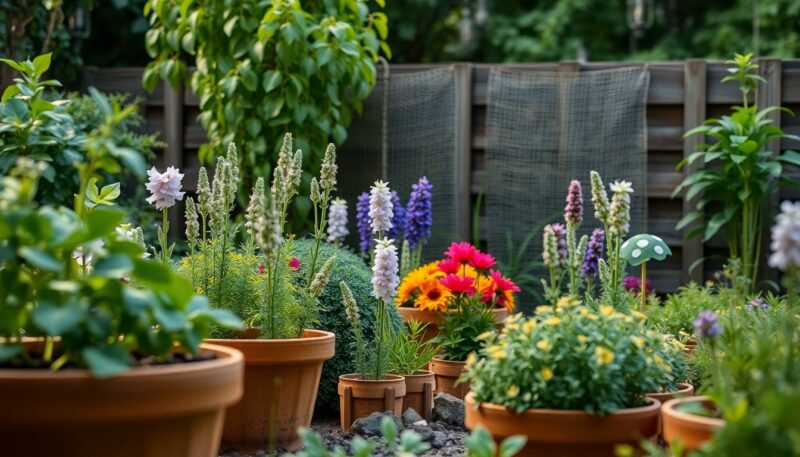
Select plants that match light and space. For shade use hosta, ferns, and heuchera. They tolerate low light and stay tidy. For sun use lavender, sedum, and dwarf ornamental grasses. They handle heat and need little water. For tight spots use columnar shrubs, narrow junipers, and espaliered fruit trees. They give height without width. Use groundcovers like creeping thyme or mondo grass to reduce mowing. Plant taller specimens near the house to soften walls and keep smaller plants for the outer edge.
Hardscaping And Pathway Ideas To Add Function And Flow
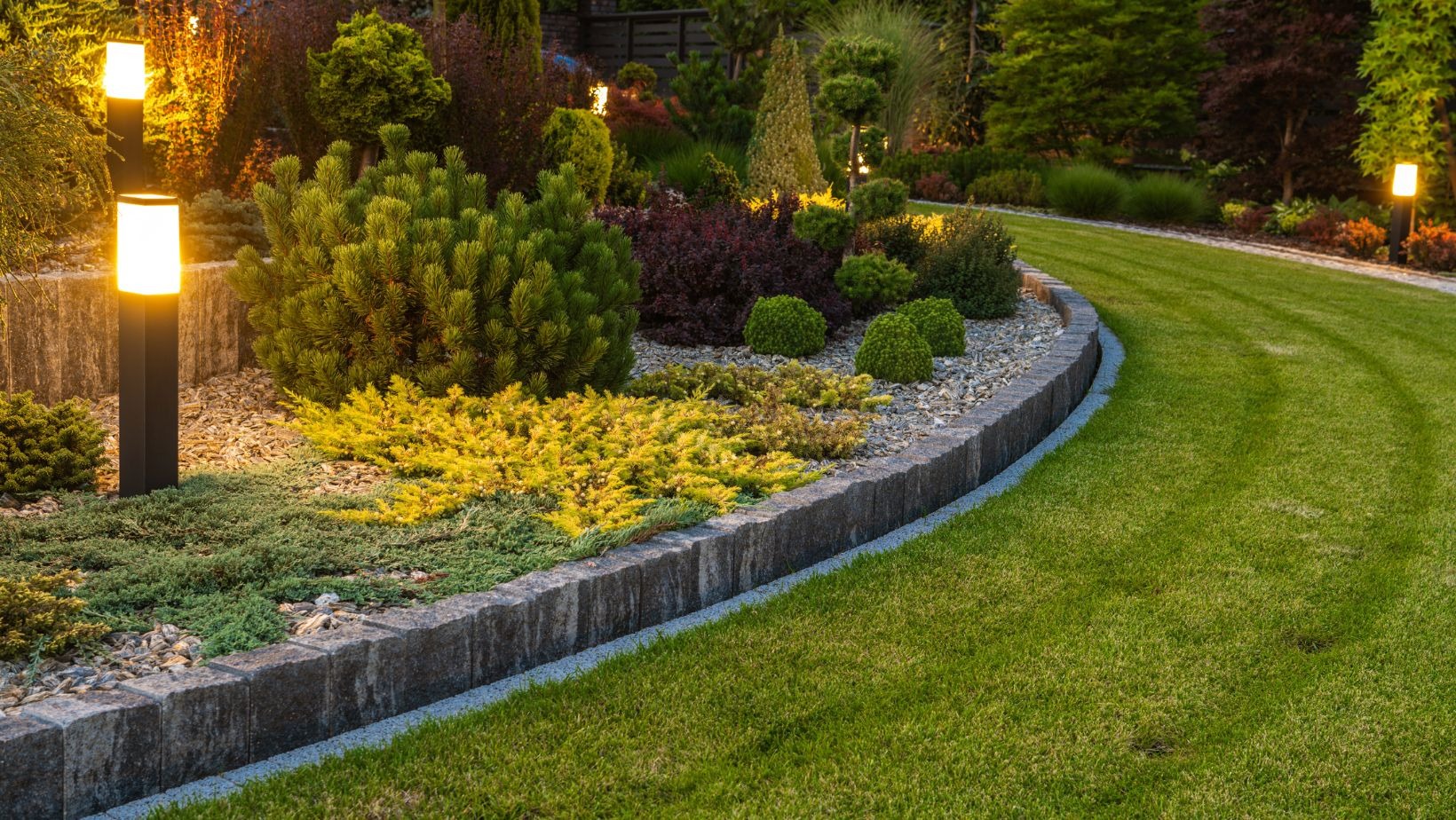
Define a clear path to guide movement and reduce wear on plants. Use narrow stepping stones, crushed stone, or compacted decomposed granite for tight spaces. Each option keeps the path stable and permeable. Add a small landing by doors to provide safe access. Use edging to keep mulch and soil off the path. Edging saves cleaning time and keeps the path neat. Include one focal point like a bench, a pot, or a sculpture. A focal point keeps the narrow space purposeful and welcoming.
Privacy, Screening, And Vertical Interest Solutions
Add privacy screens to block views and create calm. Use lattice with climbing vines like clematis or jasmine for quick green cover. Install narrow trellises attached to the house for vertical planting. They save ground space. Use tall narrow shrubs for year-round screening. Evergreen arborvitae and Italian cypress give height with small footprints. Add wall-mounted planters to increase planting area without reducing walking space. Use mirrors or light-colored finishes on fences to make the space feel wider. These ideas make the side yard private, useful, and visually rich.