Wind-Resistant Pergolas: Why the Structure Above Your Outdoor Space Matters More Than You Think
 Jennifer Jung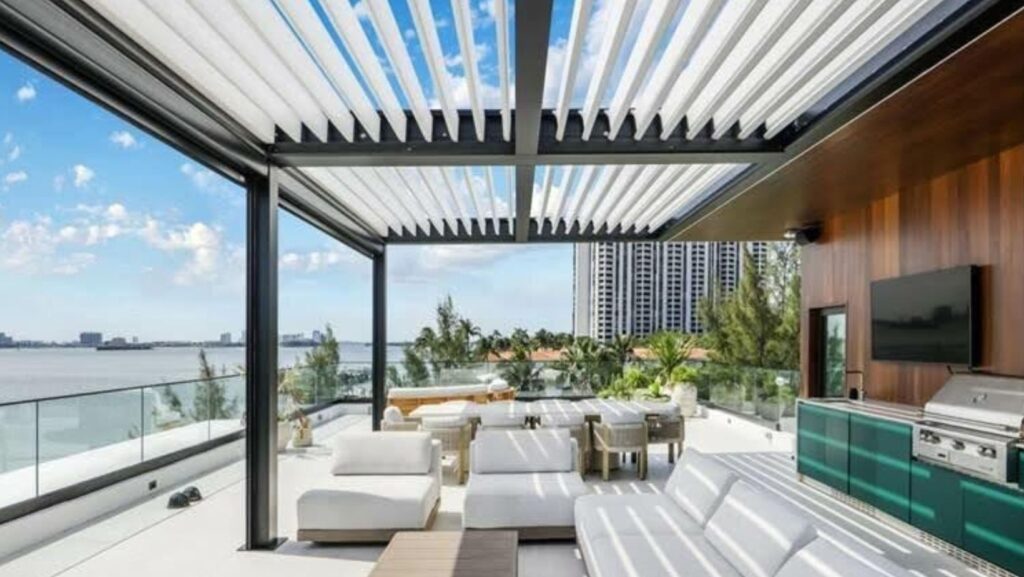
From backyard shade to hurricane-rated architecture: how to choose a pergola that actually performs
Outdoor living has changed dramatically. What used to be a patio with a grill is now a fully designed extension of the home, complete with lounge areas, outdoor kitchens, entertainment systems, and covered dining spaces. At the center of many of these designs sits the pergola.
But here’s the thing most people overlook: not all pergolas are built the same, and in regions with serious weather, a pergola that can’t handle high winds isn’t just a poor investment, it’s a safety risk. Whether you’re a homeowner designing your dream backyard or a professional planning an outdoor project, understanding wind-resistance ratings is one of the most important decisions you’ll make.
Let’s break it all down.
The Pergola Has Evolved, and So Have the Standards
Twenty years ago, a pergola was an open wooden frame that supported climbing plants. Today, premium pergola systems are engineered aluminum structures with motorized louvers, integrated lighting, and smart-home connectivity. They’re attached to homes, installed over commercial terraces, and designed to serve as permanent outdoor architecture.
That shift from decorative to structural changes everything. Once a pergola is anchored to your home or foundation, it’s no longer a garden accessory, it’s a building component. And like any building component, it needs to meet local codes, resist the forces nature throws at it, and stand the test of time.
In high-wind regions (think Florida, the Gulf Coast, the Carolinas, or even exposed coastal areas across the U.S.) a pergola that can’t handle wind loads can result in structural failure, damage to your home, permit issues, and insurance headaches. None of those are problems you want to deal with after the fact.

Building Codes and Wind Loads: What You Need to Know
Wind resistance for outdoor structures isn’t based on guesswork. In the United States, wind loads are calculated using engineering standards from the American Society of Civil Engineers (ASCE/SEI 7). These feed into the International Building Code (IBC), which most local building departments follow.
What this means in plain language: if your pergola is permanently installed, your local building department likely requires it to meet a specific wind-speed threshold based on your location and exposure. In South Florida’s High Velocity Hurricane Zones (HVHZ), the bar is even higher: products need to pass Miami-Dade County’s Notice of Acceptance (NOA) testing, one of the toughest approval processes for exterior building products in the country.
This is where many homeowners and even some contractors get caught off guard. The pergola industry is full of wind-speed claims, but not all of those numbers are backed by independent certification.
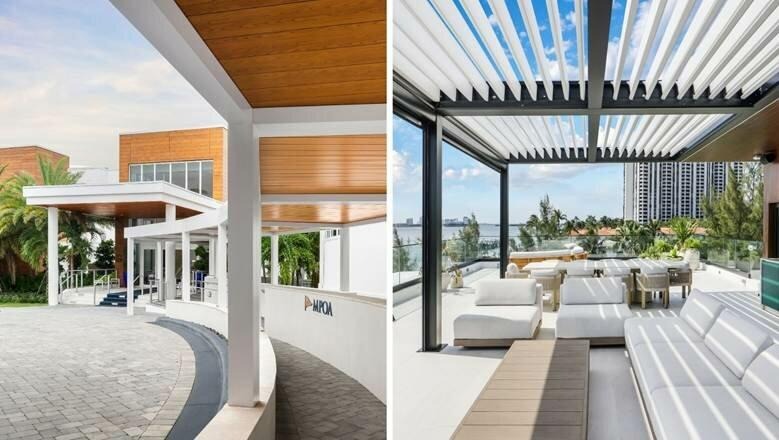
Claimed vs. Certified: Don’t Get Fooled by the Numbers
This is probably the most important distinction in the entire pergola market, and it’s one that rarely gets discussed.
A claimed wind rating is a number a manufacturer puts on their website. It might be based on internal testing, engineering estimates, or simply marketing. A certified wind rating is a number that has been independently tested and approved by a recognized regulatory body, like ICC-ES or Miami-Dade County.
Why does this matter? Because when you apply for a building permit, your inspector doesn’t care what the brochure says. They want to see certified documentation. And when you file an insurance claim after a storm, your carrier is going to look at the same thing.
Bottom line: certified ratings protect you. Claimed ratings protect the manufacturer’s marketing department.
Wind Rating Tiers: Where Does Your Pergola Fall?
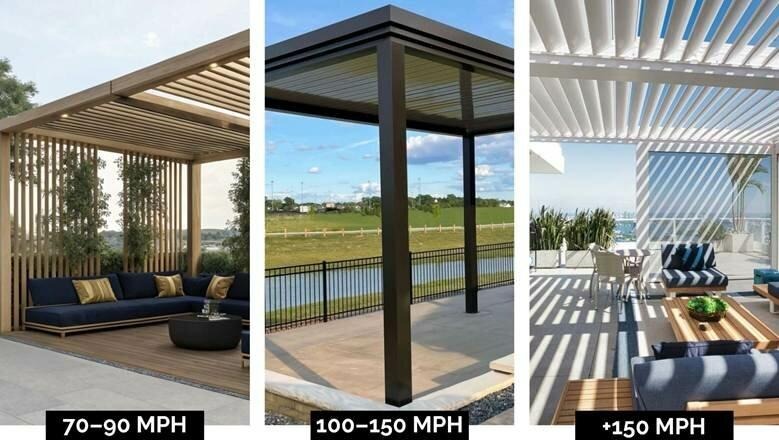
Here’s a practical overview of the wind-resistance tiers available on the market today, and what each one means for your project:
| Wind Rating | What You’re Getting | Where It Works |
| Under 70 mph | Basic wood or budget kit pergolas. No engineering, no certification. | Sheltered backyards in calm climates only. Won’t pass code in most wind zones. |
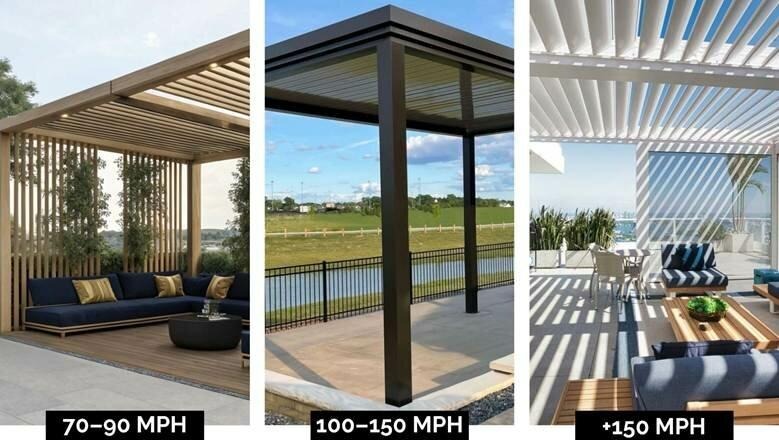
| 70–90 mph | Mid-range aluminum (Purple Leaf, Mirador). Numbers are manufacturer-stated, not certified. | Inland, low-wind areas. Not recommended for coastal or exposed sites. |
| 100–150 mph | Engineered aluminum systems. StruXure (ICC-ES certified to 150 mph, IBC-compliant). | Meets standard building code across most U.S. jurisdictions. Good for many coastal areas. |
| 150+ mph | Hurricane-rated systems. Azenco Outdoor (190 mph, Miami-Dade NOA certified). | High Velocity Hurricane Zones. Coastal FL, Gulf Coast, and high-risk environments. |
The Leading Brands: Who’s Certified and Who Isn’t
Let’s look at the major players and where they actually stand on verified wind performance.
Azenco Outdoor: 190 mph | Miami-Dade NOA Certified
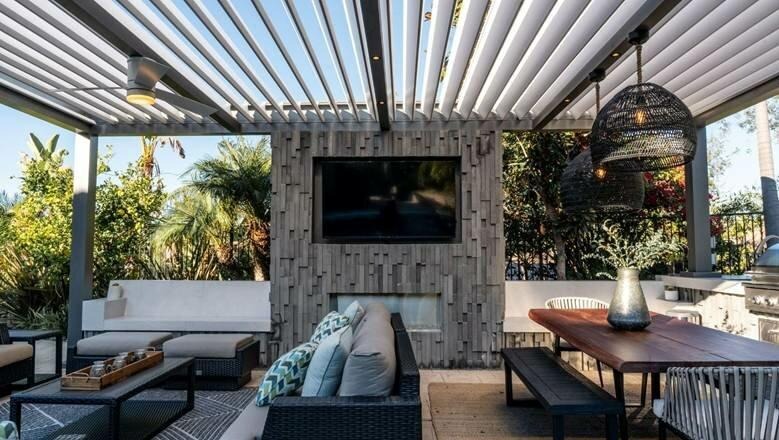
Azenco R-BLADE™ pergola system carries Miami-Dade County Notice of Acceptance certification, the toughest wind-resistance approval process in the U.S. At 190 mph, they hold the highest independently verified wind rating of any pergola system on the market. For anyone building in a hurricane zone or coastal environment. The systems are built from heavy-duty extruded aluminum with engineered foundation anchoring designed for permanent installation.
“Certification changes the conversation. It moves pergolas from lifestyle products into architectural components.” — Leslie Chapus, Azenco Outdoor
StruXure: 150 mph | ICC-ES Certified
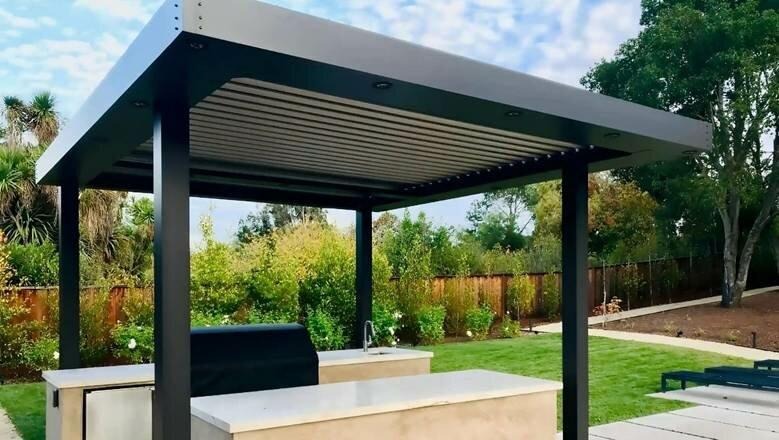
StruXure’s Pergola X line is certified through ICC-ES, confirming compliance with International Building Code wind and snow load requirements. At 150 mph, it’s a strong performer that supports permitting in most standard-code jurisdictions across the country. A reliable choice for projects that don’t fall within HVHZ territory.
Renson: Miami-Dade NOA (Select Models)
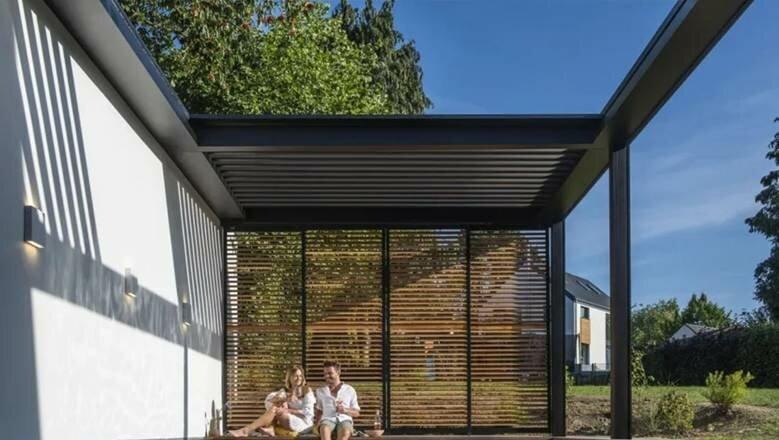
Renson, originally a Belgian manufacturer, offers Miami-Dade-approved configurations for certain systems. Worth considering if the specific model and installation setup aligns with the HVHZ requirements, but you’ll want to verify exactly which configurations carry the approval.
The Luxury Pergola, Purple Leaf, Mirador
The Luxury Pergola markets general building code compliance but doesn’t appear to carry published ICC-ES or Miami-Dade NOA wind certification. Purple Leaf and Mirador operate in the 70–90 mph range without independent certification, fine for mild-weather backyards, but they won’t hold up to code scrutiny in wind-prone areas.
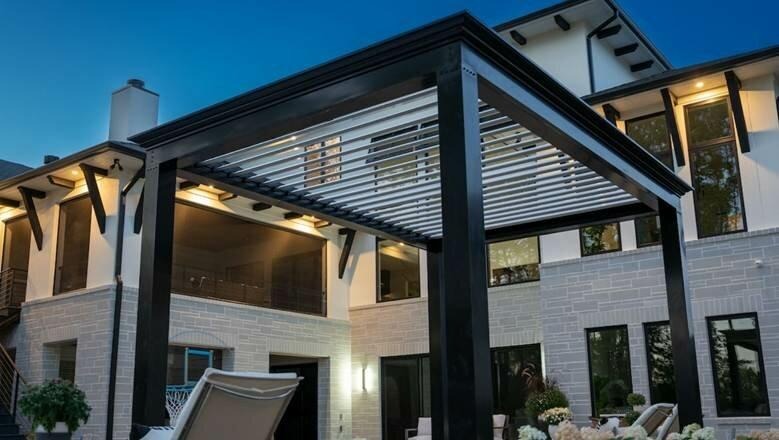
Quick Comparison at a Glance
| Brand | Wind Rating | Certification | Best For |
| Azenco Outdoor | 190 mph | Miami-Dade NOA (HVHZ) | Hurricane zones, coastal, high-risk |
| StruXure | 150 mph | ICC-ES (IBC compliance) | Standard code jurisdictions |
| Renson | HVHZ-rated | Miami-Dade NOA (select) | Hurricane zones (model-specific) |
| The Luxury Pergola | Mfr.-stated | General compliance | Standard installations |
| Purple Leaf / Mirador | 70–90 mph | None | Low-wind, sheltered areas |
What Actually Makes a Pergola “Hurricane-Rated”?
You’ll see the term “hurricane-rated” used frequently in pergola marketing. But in practice, it means something very specific:
• Heavy-duty extruded aluminum frame and not thin-gauge or assembled from lightweight components
• Engineered foundation anchoring designed to resist both lateral wind force and vertical uplift
• Louver and roof systems built for uplift resistance so components don’t separate under negative wind pressure
• Independent certification, specifically Miami-Dade NOA, for hurricane-zone applications
The Sustainability Angle: Build It Right the First Time
There’s a sustainability argument here that’s worth highlighting. A certified, engineered pergola designed for permanent installation is, by definition, a more sustainable choice than a less expensive system that may need to be replaced after its first major storm.
Heavy-duty aluminum is fully recyclable. Engineered anchoring means the structure integrates with the site rather than sitting loosely on top of it. And a pergola that’s built to code from day one avoids the waste, both material and financial, of teardown and replacement.
If you’re someone who cares about building with intention and longevity (and if you’re reading KD Architects, chances are you do), the wind-resistance question isn’t just about storms. It’s about choosing a system that’s designed to stay.
What to Ask Before You Commit
Whether you’re designing an outdoor space from scratch or upgrading what you have, here are the questions that matter:
• What is the certified wind rating? Ask for the specific certification document not a brochure number.
• Does it meet my local building code? Your contractor or building department can tell you the required wind speed for your zone.
• Is it engineered for permanent installation? Anchoring, material quality, and uplift resistance define real-world performance.
• What documentation will I receive? Certification reports, engineering stamps, and installation specs matter for permits and resale.
• Will it hold up long-term? A pergola should be a 20-year investment, not a 5-year experiment.
Final Thought
The outdoor space you design today will define how you experience your home for years to come. A pergola sits at the intersection of design, function, and structural performance, and in 2026, there’s no reason to compromise on any of those.
If you’re in a high-wind area, look for Miami-Dade NOA certification. If you’re in a standard-code jurisdiction, ICC-ES is your baseline. And regardless of where you are, always ask for the certified number, not the marketed one.