Roger Morph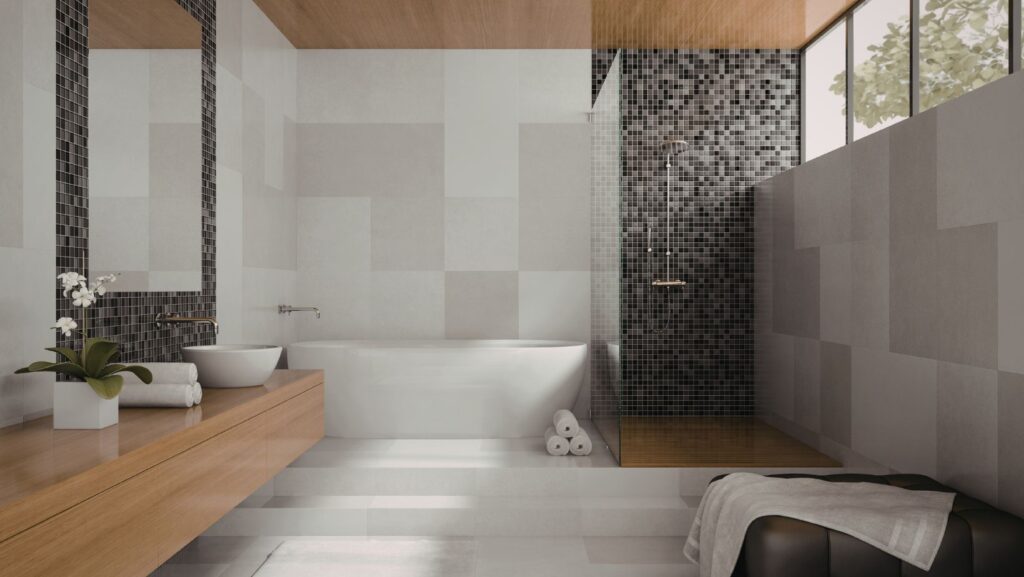
The bathroom was once the most utilitarian room in the house. A place to wash, to prepare, to leave. The architecture followed accordingly: exposed pipework, a limited palette of white porcelain and chrome. Functionality was the primary factor.
That relationship has fundamentally changed. The bathroom is now one of the most considered spaces in contemporary residential design, approached with the same care and intention as any other part of the home. It has become a place of retreat, of ritual, of quiet daily experience.
Functionality First: The Early Bathroom
Bathroom vanity units have a longer history than the bathroom itself. Before the concept of the bathroom was established, the first vanity unit began life as an unassuming wooden washstand, situated in the bedroom for convenience, with a pitcher of water, a bowl for face and hand washing, and a shelf below for towels and accessories. Gradually, it became more sophisticated, incorporating hot and cold taps and a drawer for storage.
As plumbing moved indoors and the bathroom became a dedicated room, that utilitarian logic followed it. For much of the twentieth century, the bathroom sat outside the design conversation, relegated to a service room resolved by engineers rather than architects. Plumbing runs dictated layouts. Materials were chosen for hygiene and durability: ceramic tiles, white sanitary ware, and chrome fixtures. Keeping them simple kept them functional. But simplicity and intention are not the same thing, and for decades, the bathroom remained a resolved problem rather than a considered space.
The Shift Toward Integration
The change began with a broader shift in how architects thought about residential planning. As open-plan living took hold, the rigid separation of domestic spaces began to dissolve. Kitchens merged with living areas. Bedrooms extended into dressing rooms. It was only a matter of time before the bathroom followed.
The ensuite became the first expression of this integration, positioning the bathroom as an extension of the bedroom rather than a separate utility. A bathroom visible from the sleeping space could no longer afford to feel institutional. It needed to share the material palette, the spatial quality, and the atmosphere of the adjoining room. Flow, continuity, and visual harmony replaced the purely pragmatic brief.
The Rise of Material-Led Design
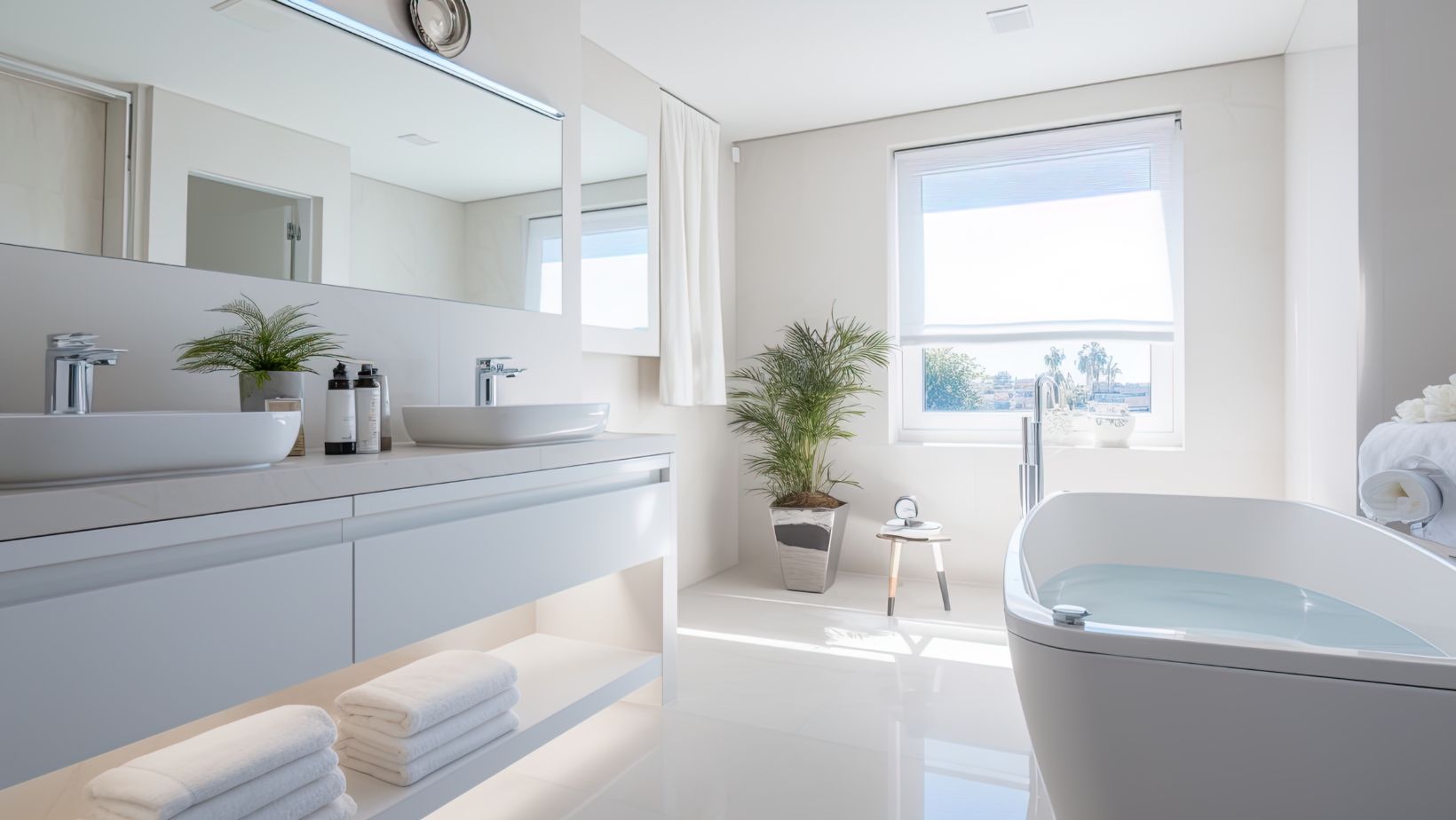
With integration came a rethinking of the material palette. The white tile-and-chrome formula gave way to something more considered and tactile. Natural stone arrived first, travertine and marble introducing warmth and a surface quality that changed with light and age. Timber followed, softening wet areas and connecting bathrooms to the material language of the wider home. Textured surfaces, honed finishes, and handmade tiles brought a quieter, more artisanal quality to spaces that had once prioritised uniformity above all else.
This reflected a deeper shift in values: away from the clinical and toward the sensory, away from the manufactured and toward the material. Warmth, cohesion, and tactility became the ambitions that drove bathroom design forward.
The Vanity as an Architectural Feature
As bathrooms became more architecturally resolved, fixtures and storage moved from standalone elements to integrated components of the overall design language. Concealed storage, seamless cabinetry, and built-in niches reduced visual clutter and allowed the room’s architecture to read clearly. Where once a basin sat on a pedestal with plumbing exposed below, today’s approach hides what is functional.
A thoughtfully designed vanity can anchor the basin area while contributing to the material palette, storage functionality, and overall spatial composition. Whether expressed in timber, stone, or painted joinery, it connects the basin to the wall, the floor to the fixture, and the practical to the beautiful.
Principles of the Considered Bathroom
The contemporary bathroom revolves around a few consistent principles. Floating vanities and basins that appear to hover above the floor introduce visual lightness and make smaller spaces feel more generous. Clean lines and reduced visual clutter allow the material quality of surfaces to come forward without overwhelming the space.
Proportion matters enormously. A basin positioned too low or too high disrupts the body’s natural relationship with the space. Tile layouts that ignore the room’s geometry create visual tension rather than calm. The best contemporary bathrooms are the ones where these decisions have been made quietly and correctly, where nothing draws attention to itself because everything is in the right place.
No element transforms a bathroom more profoundly than light. Contemporary design treats it as a layered system: ambient, task, and accent, each serving a different purpose and together allowing the space to shift from the bright efficiency of morning to the quieter atmosphere of evening. Natural light brings something no artificial source can replicate, and architects today routinely treat it as a material in its own right.
The evolution of bathroom design is a story of intention, a room once separated from the life of the home, now woven into it. Materials connect to the spaces around them. Proportions reflect careful spatial thinking. Every fixture, from the tiles to the tapware and the vanity that anchors the basin, is part of a single, considered whole rather than a collection of independent decisions.
That shift from utility to experience is, ultimately, what contemporary architecture is for.