Jennifer Jung
The feel of a wall is ultimately determined by gloss, but choosing paint colors is where the majority of the pleasure lies. Sheen affects glare, cleaning ease, and whether flaws are highlighted or muted. While a higher sheen can withstand splashes and steam without turning drab or blotchy, a low sheen can transform a calm bedroom into a comfortable haven. It also depends on lighting, texture, and the amount of hand, furniture, and pet traffic the wall will receive. By matching the sheen to the task each room requires, paint will last longer and look like it belongs there.
Sheen options room by room
- Sheen Is Light Management, Not Just Shine
Paint sheen is actually a way to control light reflection in a room. Flat, matte paints diffuse light and hide imperfections, such as bumps, seams, and patchwork, by blurring light reflections. Eggshell and satin paints reflect more light, making them suitable for brightening up a hallway or living room. Still, they also accentuate roller marks and wall waviness if preparation is hurried. Semi-gloss and high-gloss paints reflect light like mirrors, so they draw attention to edges, trim lines, and doors, which can be very sharp if the surface is smooth and brush strokes are steady. Before selecting a paint sheen, stand in the room during the time of day when it is used the most and observe where sunlight or bright lighting highlights the walls. This reflection pattern will help you decide whether a shinier paint finish will be lively or obtrusive.
- How Durability and Cleaning Should Guide You
A sheen choice should match how often the surface will be touched, wiped, or bumped. Low-sheen finishes can look elegant, but they tend to scuff more easily and may burnish, meaning shiny spots appear where someone rubs the wall repeatedly. Higher-sheen finishes usually resist moisture and stains better because the surface is tighter, so spills sit on top instead of soaking in. That does not mean every room needs shiny walls; it means the busiest zones need a finish that tolerates real life without constant touch-ups. If you are coordinating with a contractor, one quick planning step can prevent regrets later. Many homeowners looking for Painters in Philadelphia, PA, ask for sheen samples on their actual wall so they can see how wiping, fingerprints, and lamp glare behave in their own lighting.
- Living Rooms and Dining Rooms Need Balanced Sheen
You want walls in dining rooms and living rooms that look soft yet can be cleaned occasionally. Because the eggshell finish reduces reflections and is durable enough for light cleaning near switches, chair backs, or areas where people frequently lean, it might be an excellent option. A satin finish may be suitable in open-plan regions that lead to a kitchen, as it is more resistant to smudges, but it may also highlight wall repairs, especially on long walls with raking light from big windows. If your walls have heavy texture, the satin finish may accentuate peaks and valleys, and the eggshell finish may appear more even. Consider the type of lighting you have in the evening as well. Warm lamps may create high-sheen areas that appear as bright little hotspots, distracting from furniture and artwork, so a slightly lower sheen finish can keep the eye on the room, not the wall finish.
- Bedrooms Should Feel Calm and Forgiving
Bedrooms will probably be better off with a lower-sheen finish, as the aim is comfort and a quiet appearance. Matte can be a good option for an adult bedroom where the walls won’t be cleaned often, as it will hide small dents and enhance the richness and luxury of the colors. If you have children’s bedrooms or a room that doubles as a play area, eggshell may be a better option, as it is easier to clean and won’t look too shiny. Another thing to consider is the number of lamps and screens in the room. A glossy finish can cause light to bounce back up to the bed, which can be harsh in the evening. If you have dark or rich colors, a lower sheen finish will make them appear deeper and more even, while a higher sheen finish can create uneven areas of light that can make the color seem to shift on the wall.
- Kitchens Demand Washability Without Excess Glare
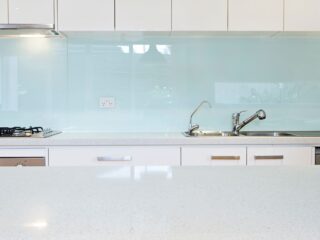
Because grease, steam, and repeated surface cleaning may quickly wear down a finish, kitchens are particularly harsh on paint. Although it is not as glossy as semi-gloss, satin is often used on kitchen walls for its stain resistance and ease of cleaning. Yet if your kitchen receives strong morning sunlight or bright under-cabinet lighting that shines directly on the walls, satin paint can still produce glare, so that eggshell paint might be suitable in areas not as close to the cooking area, with satin paint closer to the range or sink. Consider the boundaries of your backsplash, as well. A little higher shine is preferable if your backsplash is short, since more splashes will land on the wall above it. The goal is to make a surface that wipes clean without leaving glossy rub marks that progressively show where you’ve cleaned.
- Bathrooms and Laundry Areas Need Moisture Tolerance
Bathrooms and laundry rooms are as much about managing humidity as they are about looks. A tighter, more reflective finish will go a long way toward addressing condensation, so satin is the minimum finish in these areas. In a small bathroom with a shower, semi-gloss can work well because it withstands moisture and cleaning, particularly around towel hooks and the area behind the toilet where water splashes and drips. The drawback is that a higher sheen will highlight any imperfections on the surface, so it’s essential to prep the surface, including sanding any repaired areas to a smooth finish and applying the right primer. Another factor to consider is the ventilation system’s power. If the bathroom dries quickly and the ventilation is robust, satin will work well, but if the toilet retains moisture, it may be harder to achieve a smooth finish without it looking blotchy in the long run.
- Ceilings and Low-Touch Zones Can Stay Subtle
Ceilings tend to appear more serene when painted flat, as the reflection of light from above can make them look busy. Flat ceiling paint also conceals drywall joints and roller marks more effectively than other sheens, and this is important since the lighting from ceiling fixtures is typically at an angle that accentuates every detail. In areas with many shadow lines, such as textured or vaulted ceilings, flat paint ensures a uniform appearance. In areas that are not frequently touched, such as formal sitting areas, difficult-to-access stairwell walls, or accent walls, matte paint can be a great way to add visual interest by emphasizing color and texture over shine.

Final Look and Longevity
Paint sheen is a very useful design element that helps determine how each room will function. If you consider lighting, wall surfaces, cleaning requirements, and humidity, the right sheen becomes less of a habit and more of a decision. You should use a greater sheen on trim and doors that will benefit tremendously from a sharp edge, keep the sheen low where you sleep, and improve durability where hands and water come into touch with the surface. The discrepancy between what looks good on a sample card and what looks good on your wall can be overcome by testing the sheen under your specific lighting conditions.