Roger Morph
Roof design is one of the most important features that shapes the style and usability of a home. Not only does a roof provide weather protection, the type you choose can also influence how you enjoy your outdoor living spaces. Modern architecture continues to push boundaries with roofing styles like flat roofs, wide overhangs, and even living green roofs.
These designs combine both aesthetics and functionality to give homeowners comfort, protection, and improved resale value. In this article, we’ll take a look at some roof designs and their impact for your home and lifestyle.
Flat Roofs and Outdoor Living
Most modern and minimalist homes these days are designed with flat roofs. Unlike steeply pitched roofs, flat designs provide opportunities for creative outdoor use:
- Rooftop patios: They are perfect for entertaining or relaxing in urban environments. This is especially useful for homes with limited yard space.
- Courtyards and terraces: You can create private retreats directly connected to your indoor living areas.
- Future upgrades: With flat surfaces, you can easily adapt for solar panels, green roofs, or other additions.
One thing you must pay attention to if you choose to go with a flat roof is that you must have a proper drainage plan. This is necessary to prevent pooling water.
To achieve this, there must be proper partnership between architects and a qualified roofing company. With proper design and construction, the roof will perform well, and support its intended use as an extension of the home.
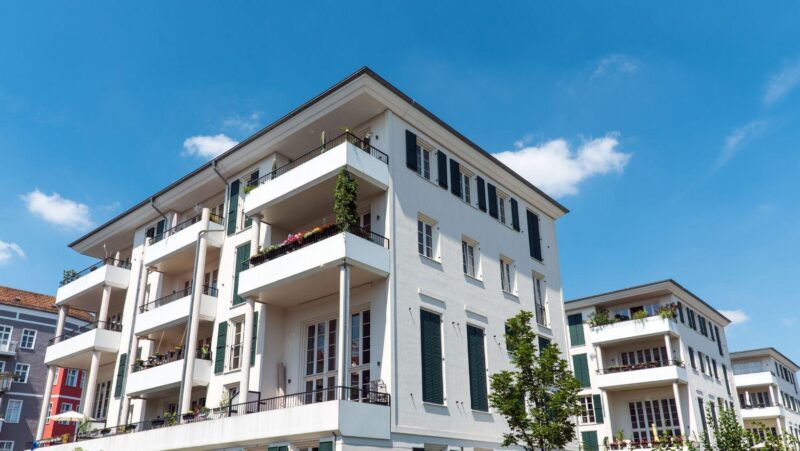
Overhangs for Shade and Comfort
Overhangs often seem like a small design choice to many folks. However, it plays a big role in how outdoor and indoor spaces feel. Wide roof overhangs can:
- Provide natural shade to patios and decks, which make them more usable in hot weather.
- Reduce indoor cooling costs by blocking direct sunlight.
- Offer protection from rain, which allows outdoor areas to stay dry and functional.

In architecture, overhangs are both practical and stylistic. They can soften a home’s appearance, and highlight horizontal lines in contemporary designs. They also seamlessly connect indoor and outdoor spaces. However, the right dimensions must be calculated based on climate and sun exposure, so expert input is very crucial.
Green Roofs as Functional Landscapes
Green roofs, or living roofs, are becoming more popular for modern homes. These systems involve covering a flat or gently sloped roof with soil and vegetation. The benefits are not just limited to visual appeal, but include:
- Energy efficiency: Extra insulation reduces heating and cooling demands.
- Environmental impact: Helps manage stormwater runoff and improves air quality.
- Outdoor use: In some cases, green roofs can double as functional gardens or relaxation spaces.
For urban homes, a green roof can transform unused roof space into a private natural retreat. However, bear in mind that these designs demand structural planning to handle weight and long-term maintenance. Collaboration with both architects and roofing professionals is a must. This will ensure the roof remains safe and functional, while supporting plant life.
Endnote
Modern roof design is not just about choosing singles or colors. With the right style, you can extend your living space outdoors, improve comfort, and even support sustainability goals. Flat roofs open the door to rooftop patios, wide overhangs create shaded gathering spaces, and green roofs turn the top of your home into a thriving landscape.
Roof design should never be an afterthought when planning a modern home. As a homeowner, you can dream up bold and creative ideas alongside your architect. However, it is only by partnering with a skilled roofing company that your ideas remain practical and protective for years to come.