Landscaping Tips: 12 Practical Ideas To Transform Your Yard In 2026
 Pyrrothian Lyxterand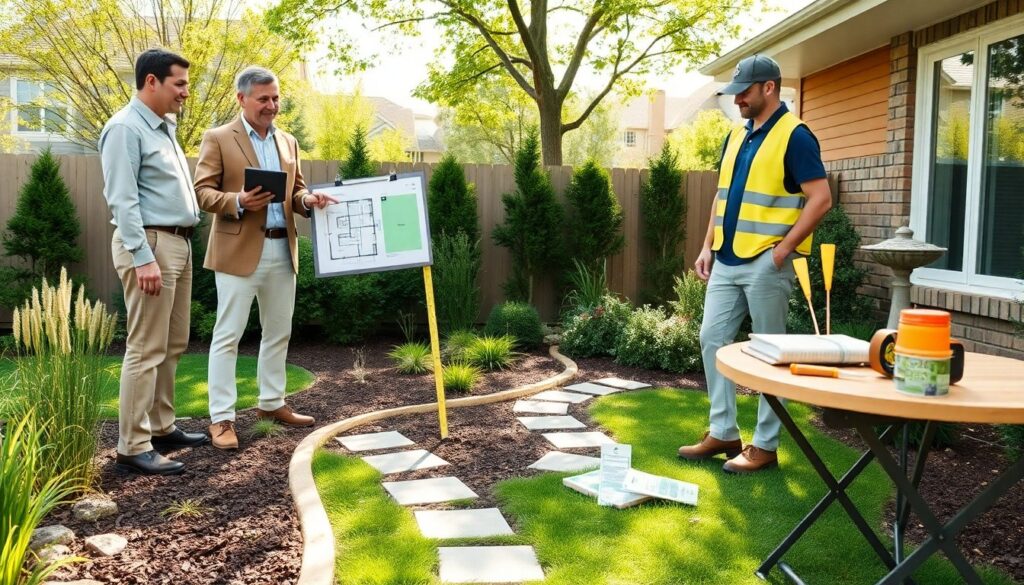
Landscaping tips help homeowners plan a yard that looks good and stays easy to care for. The article lists clear steps for design, plant choices, and hardscape work. It gives ideas that save time and reduce waste. Readers will find actionable advice they can use this year and next.
Key Takeaways
- Start your landscaping project with a clear plan that includes yard zones, focal points, and growth considerations to ensure an organized design.
- Choose plants suited to your climate zone, grouping them by water and sunlight needs to reduce maintenance and resource use.
- Use native or well-adapted plants to save water and fertilizer, and plan staged planting for long-term yard development.
- Select durable hardscape materials and install proper drainage and edging to protect soil and reduce erosion.
- Maintain your landscape with seasonal tasks like pruning, mulching, and irrigation checks to prevent bigger future jobs.
- Incorporate simple habitat features like birdbaths and native plants to support local wildlife and enhance yard beauty.
Plan And Design With Purpose
Start with a simple plan. The homeowner defines goals, lists uses, and sets a budget. They sketch the yard, marking existing trees, slopes, and sun patterns. They note where people gather, where vehicles move, and where water drains. They place high-use spaces near the house and quieter spots farther away.
Measure the yard and set zones. The homeowner creates zones for social space, play, maintenance, and wildlife habitat. They pick focal points like a tree, fountain, or sculpture and align paths to lead the eye. They choose a limited color palette to avoid a chaotic look. They repeat three plant forms to create rhythm: tall, medium, and groundcover.
Think about future work. The homeowner plans for growth and access. They allow room for tree canopies and root systems. They place utilities and irrigation where a crew can reach them. They choose materials that match the house and the local street. They balance hard surfaces and planting so water soaks into the soil.
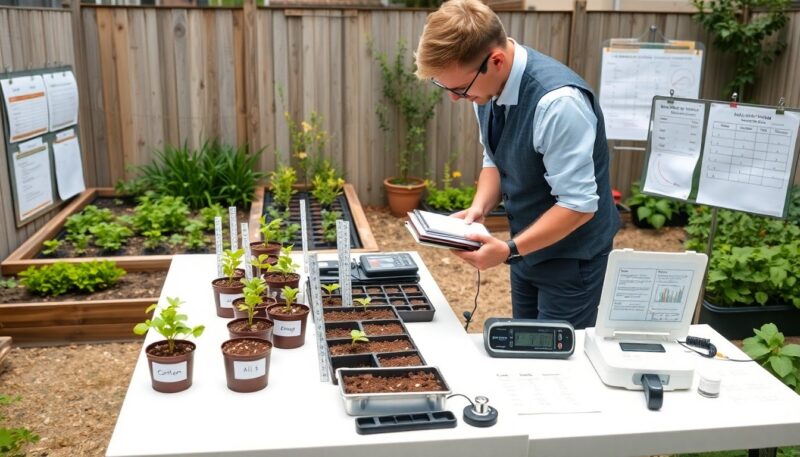
Use simple tools. The homeowner tests sun and shade with a notebook and a phone. They use a tape measure, flags, and a basic garden app or paper grid. They visit local plant nurseries to see mature specimens. They save photos and note plant sizes and bloom times. They check local rules for fences, structures, and setbacks.
Choose Plants For Your Zone And Long-Term Maintenance
The homeowner chooses plants that fit the climate zone and soil. They consult local extension services or nursery staff for reliable choices. They pick native or well-adapted plants first. These plants need less water and less fertilizer. They resist the urge to buy solely for price or instant fullness.
Group plants by water and sun needs. The homeowner places thirsty species together near irrigation lines. They group sun lovers in the brightest spots and shade plants under trees. They create beds with layered heights to hide stems and to reduce weeds. They leave paths for pruning and for seasonal cleanup.
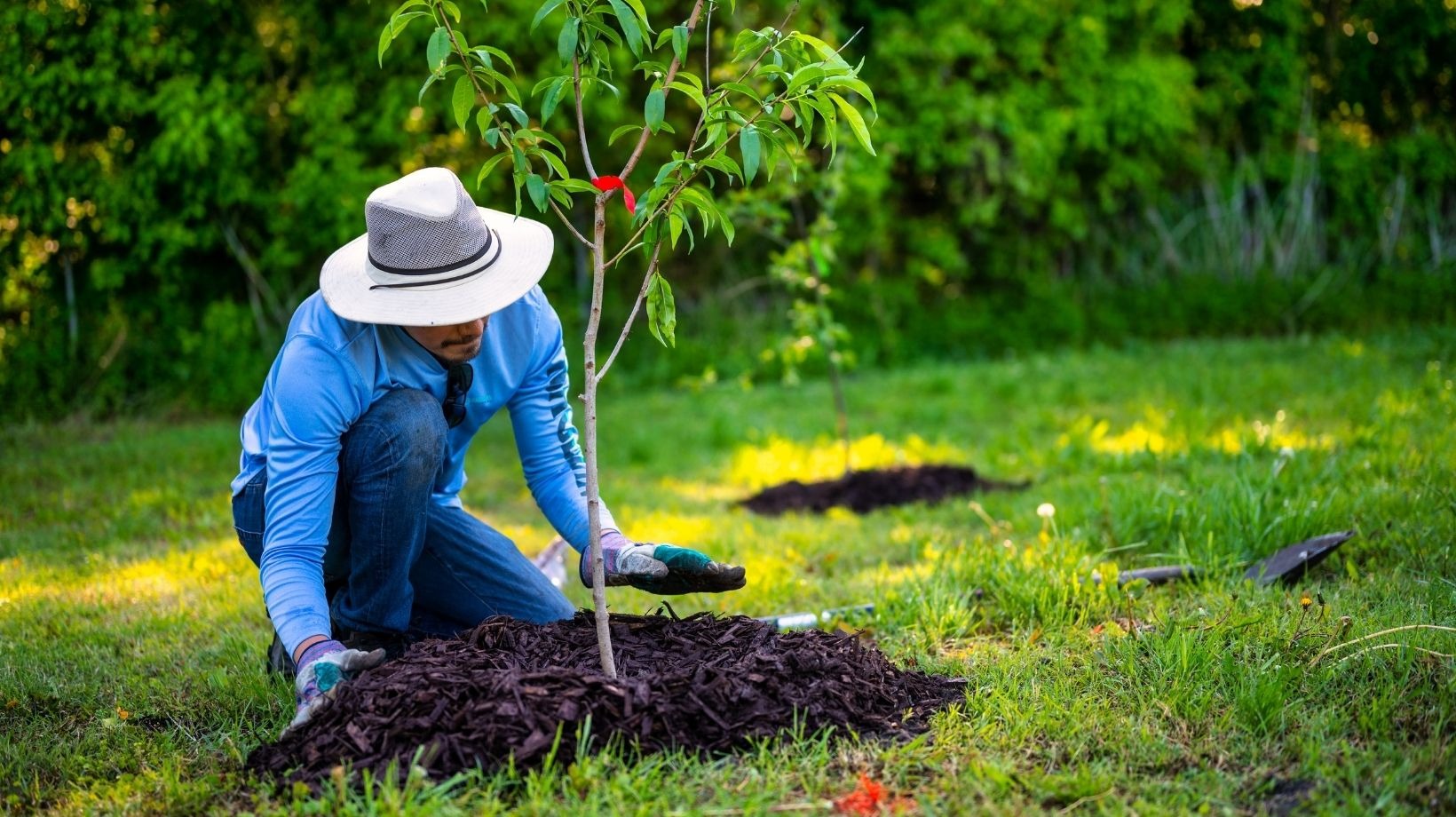
Plan for staged planting. The homeowner installs long-lived trees and shrubs first. They add perennials and bulbs next. They reserve some containers for fast seasonal color. They mulch new beds to keep moisture and to reduce weeds. They use organic mulch at a 2–3 inch depth and keep mulch away from stems to avoid rot.
Prepare for maintenance levels. The homeowner chooses plants that match the time they will spend on care. They pick low-trim shrubs for low effort. They choose pruning-friendly species where they want formal shape. They plan a simple irrigation schedule and check it each season. They keep records of plant names and placement for future work.
Smart Hardscaping, Mulch, And Seasonal Care
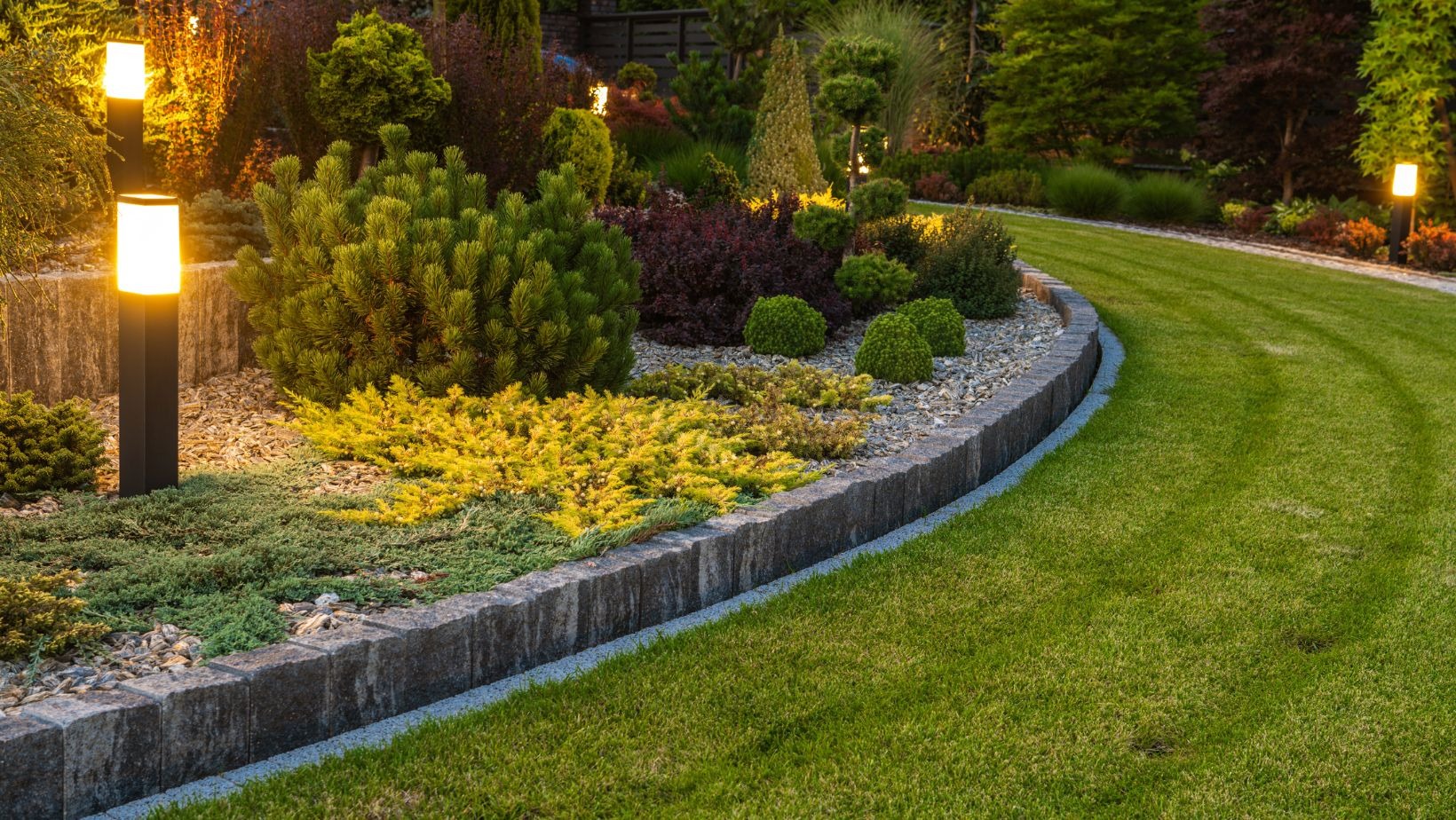
The homeowner selects hardscape materials that last and that fit the budget. They use permeable pavers where water must move through. They pick gravel or decomposed granite for paths that drain easily. They set patios on a compacted base to prevent settling. They protect wooden structures with proper spacing and sealant.
Install edging and retain soil. The homeowner adds simple edging to keep mulch and gravel in place. They install low retaining walls to prevent erosion on slopes. They slope hard surfaces away from the house to direct water to planted areas. They place downspouts into splash blocks or drain lines to keep soil from washing out.
Manage mulch and soil. The homeowner refreshes mulch every spring to keep weeds down and to improve soil moisture. They test soil pH and add amendments when a plant shows signs of deficiency. They add compost to beds each fall to feed soil life. They avoid piling mulch against trunks and stems.
Plan seasonal work that reduces bigger jobs later. The homeowner prunes in the right season for each plant. They deadhead perennials to extend bloom and then cut them back at the recommended time. They winterize irrigation systems before the first freeze and start them after the last frost. They clean filters and check emitters each spring.
Create simple habitat features. The homeowner adds a birdbath, a native shrub patch, or a small pollinator bed. They place these near windows or paths for easy viewing. They avoid pesticides that harm beneficial insects. They buy plants that provide nectar across the growing season.
Maintain a schedule. The homeowner writes a short seasonal checklist for spring, summer, fall, and winter. They inspect plants monthly and act early on pests or disease. They tidy beds in small steps to avoid large labor days. They stay within the set budget by spacing projects and tracking material costs.