DG Landscaping: Durable, Low‑Maintenance Groundcover Ideas For Homes In 2026
 Pyrrothian Lyxterand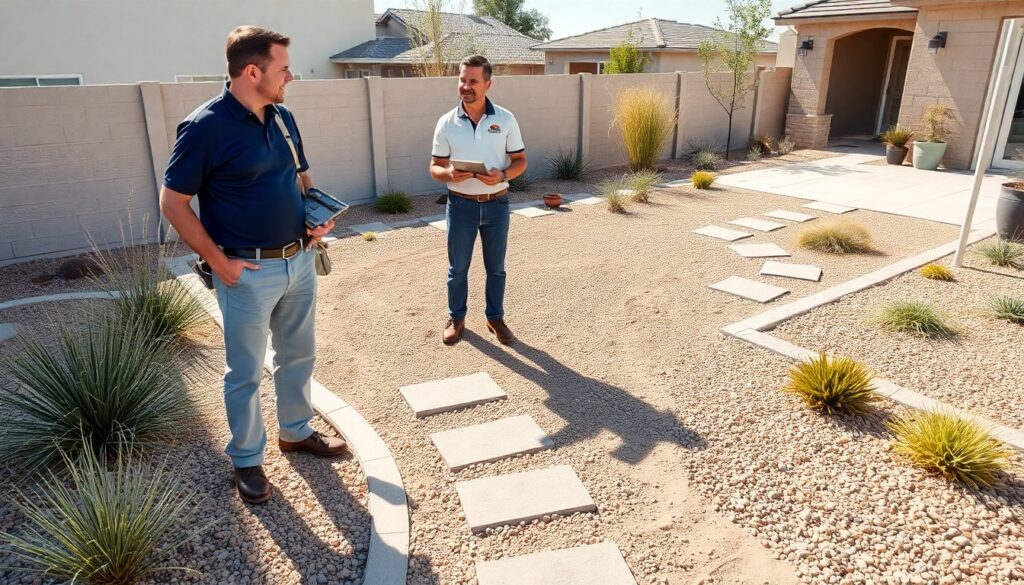
dg landscaping offers a simple way to make yards look tidy and stay low on upkeep. It provides good drainage and stable walking surfaces. Homeowners choose dg landscaping to cut mowing time and reduce water use. This article explains what decomposed granite is, how dg landscaping performs, and practical uses for yards, paths, and patios.
Key Takeaways
- DG landscaping uses decomposed granite to create durable, low-maintenance outdoor surfaces that improve drainage and reduce water use.
- Proper installation of DG involves compacted gravel bases, layered spreading, and edging to contain material and enhance stability.
- DG landscaping is ideal for pathways, patios, and yard areas, offering natural aesthetics and minimizing mowing requirements.
- Maintenance is simple—regular sweeping, top-dressing every few years, and weed control keep DG surfaces functional and attractive.
- DIY installation is possible for small projects with the right tools, but professionals ensure better drainage, compaction, and long-term durability.
- Choosing DG landscaping helps lower irrigation costs and provides a firm, natural-feeling surface suitable for families and pets.
What Is Decomposed Granite (DG) And How It Performs
Decomposed granite is small, weathered rock particles. Landscapers crush and screen the granite to a fine texture. The material binds when compacted and forms a firm surface. DG landscaping fits dry climates and areas that need low maintenance. It drains water faster than concrete and resists puddles. It also warms in sun and cools at night, which affects nearby plants.
DG landscaping performs best over a compacted base. Installers lay a base of compacted gravel and then add DG in layers. Compaction reduces dust and keeps the surface stable. Rain will move some particles, so edging helps contain the material. DG surfaces can shift under heavy traffic. Designers limit vehicle use and add paving where needed. They also select a finer or coarser DG grade to suit the trail or patio.
DG landscaping supports drought-tolerant plantings. Gardeners place plants in pockets or beds with mulch. They leave space between plants and the DG surface to avoid compaction near roots. The material does not hold nutrients, so soil amendments remain necessary in planted areas. For families, DG offers a soft surface for walking and playing, but small stones can collect in shoe treads. Pets track less mud on DG than on bare soil.
Design Uses And Practical Benefits For Yards, Paths, And Patios
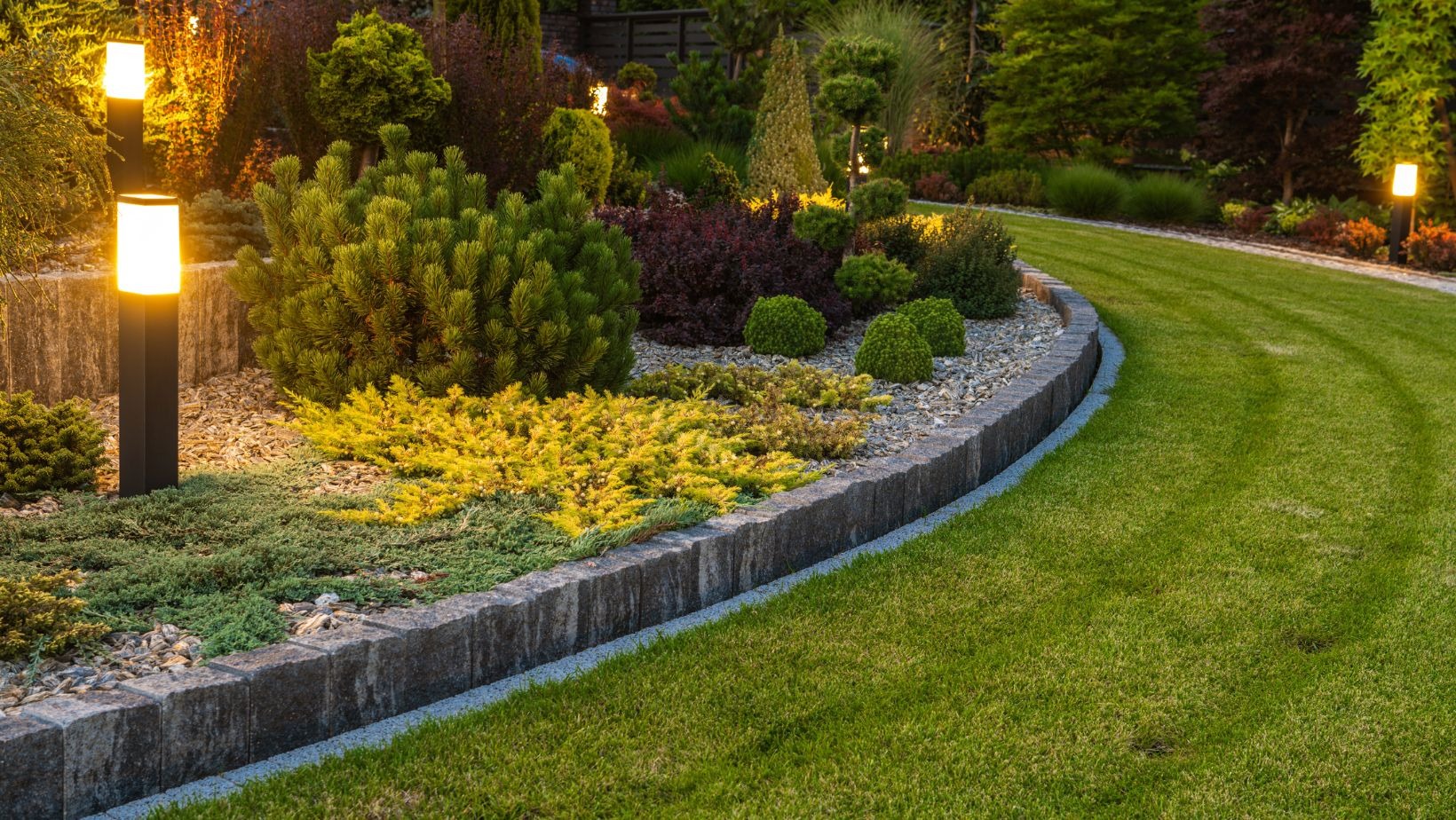
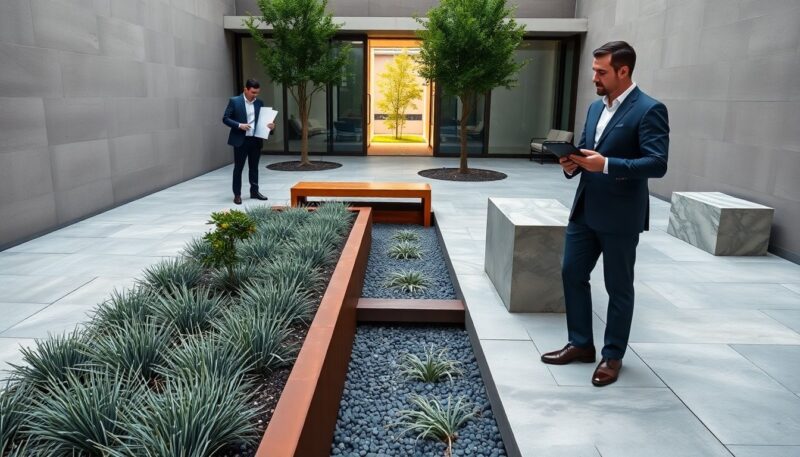
Landscape designers use DG landscaping for many features. They use it for pathways, patios, drive edges, and open yards. The material blends with natural tones and looks less formal than poured surfaces. Homeowners choose DG landscaping to reduce mowing area and to create flowing lines around plant beds. Paths made with DG invite walking and show clear routes through a garden.
DG landscaping offers practical benefits. It lowers maintenance compared with grass. It reduces water demand and cuts irrigation costs. It also requires no joint repair and no sealant. When loose topcoat is compacted, the surface resists weeds better than bare soil. The material is reusable and easy to top-dress if erosion occurs. Designers pair DG with stepping stones, poured concrete accents, or permeable pavers to add stability where needed.
Aesthetics also matter. DG landscaping creates warm color palettes that match native stone and brick. It provides texture contrast against green plantings. The material also helps define outdoor rooms without visual heaviness. For small yards, DG can make spaces feel larger by simplifying surface materials. For large properties, it reduces lawn size while keeping outdoor useable.
Installation Steps, Maintenance, Cost Estimates, And DIY Versus Pro Tips
Installers begin DG landscaping by clearing the area of vegetation. They then grade the ground to shed water. Next, they put down a compacted base of crushed rock. The base provides stability and prevents sinking. Then they spread a 2- to 3-inch layer of DG. Installers compact each layer with a plate compactor. Proper compaction helps the DG bind and reduces loose dust.
Maintenance for DG landscaping remains low. Homeowners sweep or rake the surface to redistribute loose particles. They reapply a top-dress of DG every few years in high-traffic areas. They pull weeds along edges and use a weed barrier under areas with persistent growth. After heavy rain, they check for erosion and refill low spots. Over time, compacted DG becomes firm and needs less frequent attention.
Cost for DG landscaping depends on material grade and depth. Material prices vary by region but often range lower than pavers or concrete. Labor adds to the total if a professional handles base work and compaction. A basic DG path costs less than a paved walkway. A large patio may approach the cost of other paving when installers add edging or stabilization products.
DIYers can handle small DG projects. They need a compacting tool, edging, and time for spreading and compacting. A rented plate compactor helps achieve a firm finish. DIYers should compact in thin lifts and check slopes for drainage. They should avoid vehicle use on DIY DG drive areas unless they add a structural base.
Professionals bring precision to DG landscaping. They size drainage, install proper base layers, and select the right DG grade. They also install durable edging that keeps the DG in place. For homeowners who want a long-lasting, low-maintenance result, hiring a pro often reduces future repair work and rework.