Mailbox Curb Appeal: Easy Mailbox Landscaping Ideas To Boost Your Home’s First Impression
 Pyrrothian Lyxterand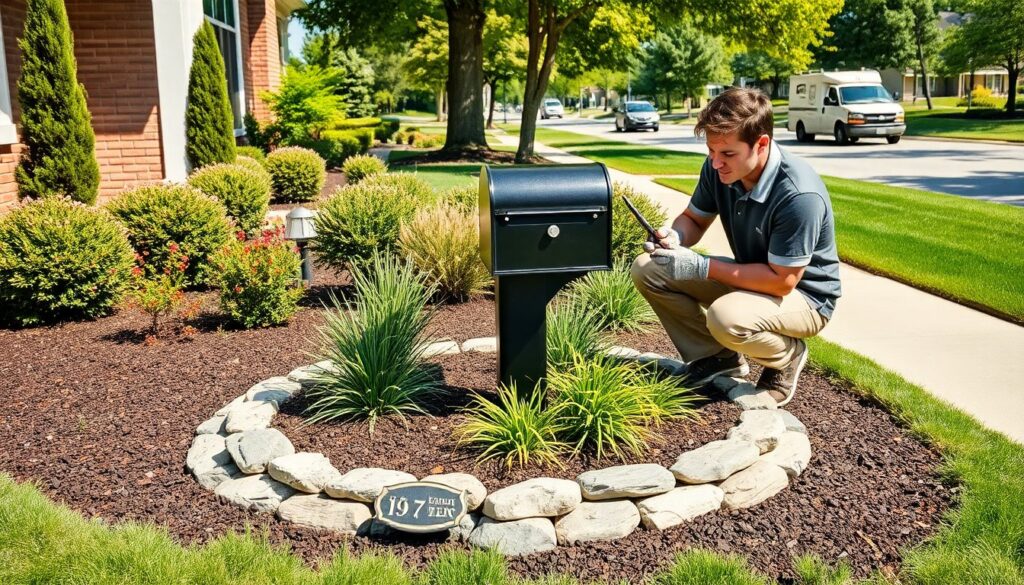
Mailbox landscaping sets the tone for a home. It gives a clear first impression and improves safety. It signals care and attention to passersby and delivery drivers. Homeowners can raise property appeal with small plantings, clean edges, and simple lighting. This guide shows practical, low-cost mailbox landscaping ideas that fit common yards and budgets.
Key Takeaways
- Mailbox landscaping enhances curb appeal and safety by creating a neat, visible area that welcomes visitors and delivery drivers.
- Assessing site conditions like sun exposure, soil quality, and visibility is crucial for successful mailbox landscaping.
- Selecting appropriate plants based on height, growth rate, and local conditions helps maintain a tidy, low-maintenance mailbox bed.
- Design your mailbox bed with balanced size and shape, ensuring clear access and effective visual appeal.
- Incorporate hardscaping elements such as edging, mulch, and lighting to add structure, conserve moisture, and improve nighttime visibility.
- Regular maintenance including weeding, pruning, mulching, and seasonal plant care keeps mailbox landscaping attractive and functional year-round.
Why Mailbox Landscaping Matters For Curb Appeal And Safety
Mailbox landscaping affects curb appeal and safety. A neat mailbox bed improves the street view. It helps a home stand out in a positive way. A clear zone around the mailbox helps delivery drivers stop safely. Low plants keep sightlines open for vehicles and pedestrians. Well placed lighting increases visibility at night. Thoughtful mailbox landscaping can lower the chance of mail theft by avoiding hiding spots. Neighbors and potential buyers often notice mailbox care when they judge a neighborhood.
Assessing Site Conditions: Sun, Soil, Visibility, And Local Rules
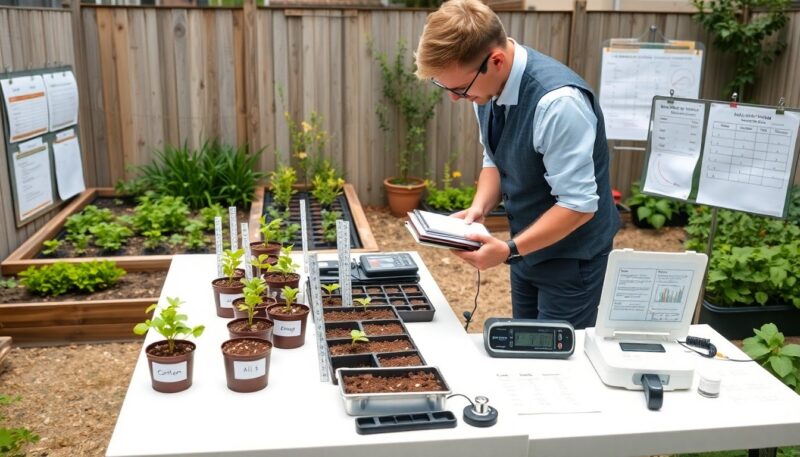
Homeowners must assess site conditions before planting. They should note sun exposure at the mailbox through a full day. They should test soil texture by digging and feeling it. They should check soil pH with a simple test kit. They should observe sightlines from the road to ensure visibility. They must measure space to fit plants and hardscaping. They should check local rules or HOA guidelines for mailbox changes. They should confirm the post and mailbox meet postal service rules. This assessment guides plant choice and layout for successful mailbox landscaping.
Choosing The Right Plants For A Mailbox Bed
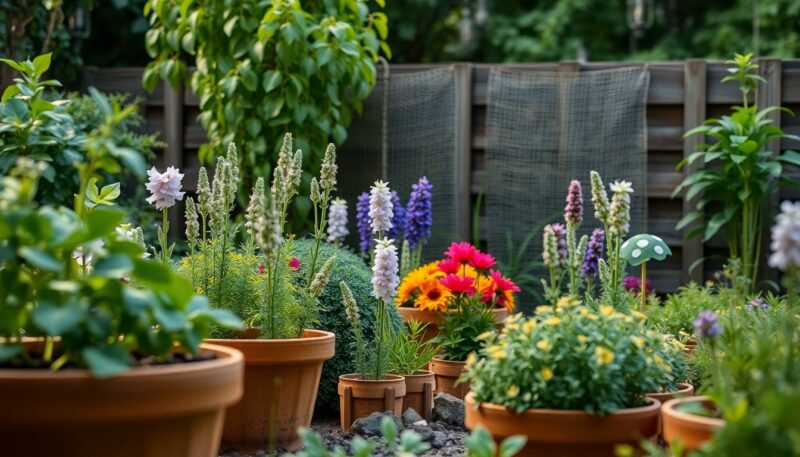
Plant choice defines long-term success for mailbox landscaping. Homeowners should pick plants by height, spread, and maintenance needs. They should favor slow-growers near the post and taller specimens set back slightly. They should avoid plants with thorns or large roots that can damage the post. They should select plants that match sun and soil conditions. They should mix textures and seasonal bloom times to keep the bed active. They should keep the planting footprint small to avoid obstructing the curb or sidewalk. Proper plant selection reduces future trimming and replacement.
Design And Layout: Size, Shape, And Placement For Maximum Impact
Design choices shape how people see the mailbox. Homeowners should start with a simple shape: circle, kidney, or rectangle. They should size the bed to allow about two feet of clearance from the road edge. They should place taller plants at the back and low plants at the front. They should leave three feet of clear space in front of the mailbox for access. They should keep the mailbox post centered or slightly offset for balance. They should add a focal plant or ornament to draw the eye. A clear, balanced layout improves the look of any mailbox landscaping.
Hardscaping And Finishing Touches: Edging, Mulch, And Lighting
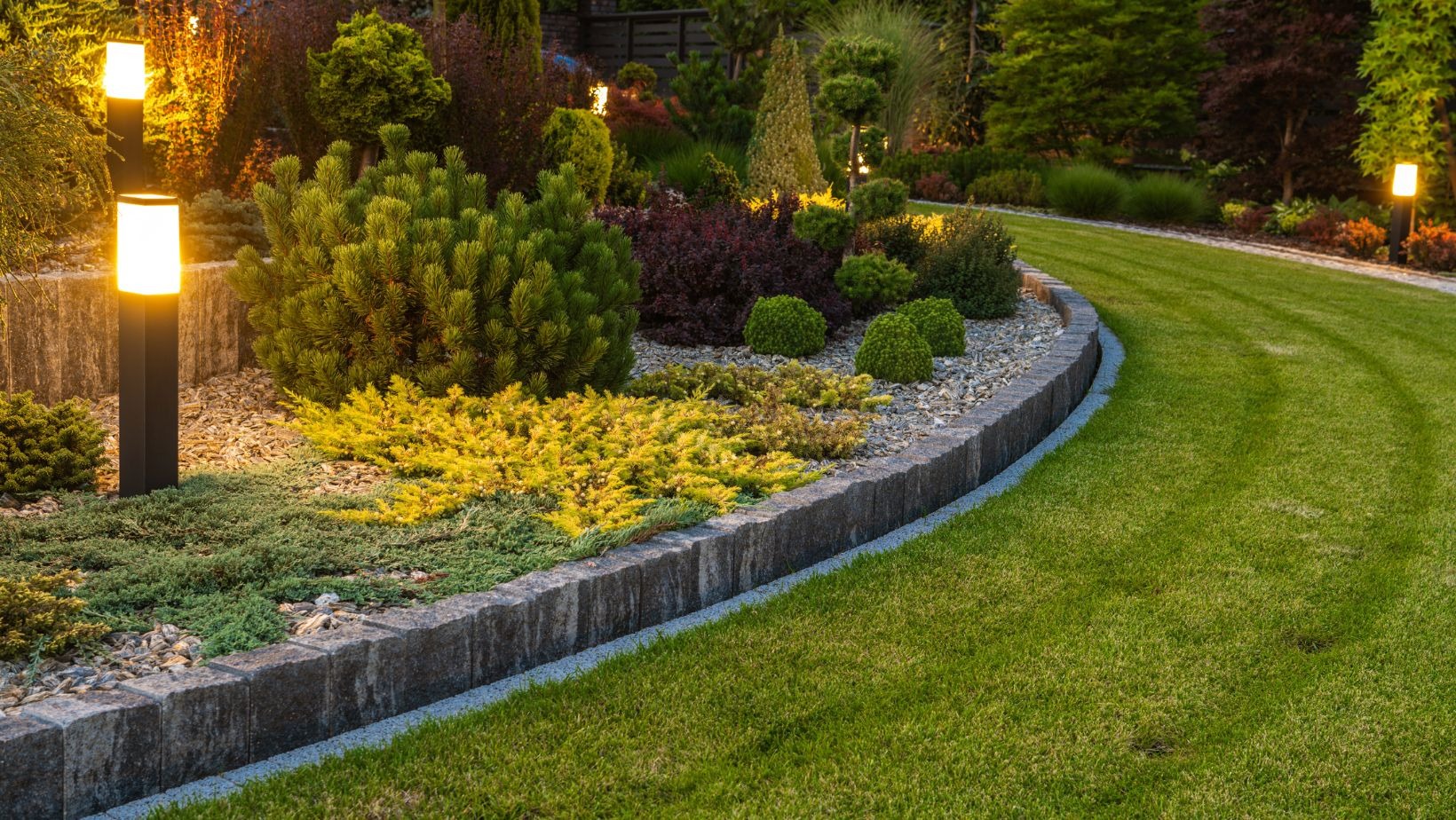
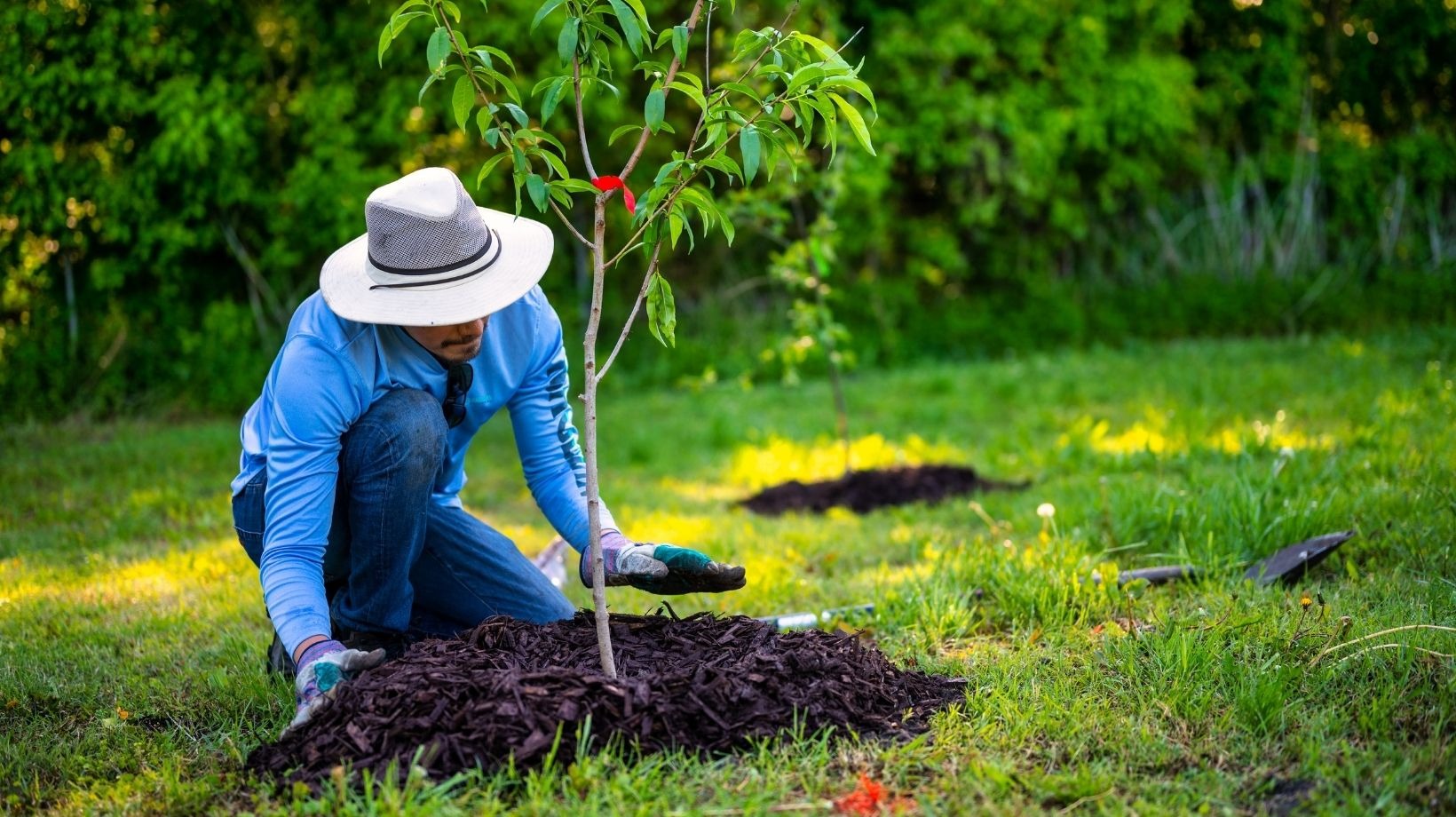
Hardscaping gives the bed structure and low upkeep for mailbox landscaping. Homeowners should install edging to hold mulch and define the shape. They should choose durable materials like stone, brick, or metal edging. They should add two to three inches of mulch to conserve moisture and suppress weeds. They should pick a mulch color that contrasts with plants and the mailbox. They should add solar path lights or a low-voltage fixture to highlight the mailbox at night. They should secure fixtures away from mower paths. They should mount a small house number plaque for added curb appeal.
Maintenance And Seasonal Care To Keep Your Mailbox Looking Great Year-Round
Maintenance keeps mailbox landscaping attractive and safe. Homeowners should pull weeds weekly during the growing season. They should prune low plants monthly to keep sightlines clear. They should replace damaged mulch each spring or fall. They should check soil moisture and water deeply during dry spells. They should inspect the post and hardware for rot or rust each year. They should deadhead spent flowers to encourage more blooms. They should swap a summer plant for a cold-hardy option before the first freeze. Regular care preserves the initial design and reduces long-term work.