Construction Planning: How Building Systems (Lighting, Flooring, Sitework) Affect Depreciation Categories for Investors
 Jennifer Jung
Depreciation categories allow businesses to claim the cost of a useful asset over its lifespan. Utilizing different classifications can legally reduce your tax burden if you own a property business.
Entropy is a universal law that states that over time, everything will eventually decay and die away. While existential, it applies to something much more grounded: Your assets. As time rolls on, everything in your real estate portfolio is subject to entropy, wearing down and reducing its effectiveness. Luckily, you can claim this back on your tax statements. When you work with your tax pro, you can legally reduce the burden on your property and real estate business through cost segregation services.
What are Depreciation Categories?
The IRS classifies depreciation as the “annual income tax deduction that allows you to recover the cost or other basis of certain property over the time you use the property”. There are six classifications for non-real estate assets. Yet as real estate depreciates over a longer period of time, it can get a little more complex and has more variations. Added to this are the facts that residential and commercial buildings have different time frames over which depreciation occurs.
As an example, most residential property owners resort to the General Depreciation System (GDS). This provides 27.5 years for depreciation. Yet the method used to calculate it can also vary, ranging from straight-line depreciation methods to declining balance methods. The latter can yield greater tax deduction, but it can not be used for residential properties.
Now add this to a range of properties, with different internal components and classification categories. Getting them right can help create immediate tax savings and improved cash flow. That is why cost segregation studies are imperative to relieve the tax burden on a business.
Flooring
When you install flooring, it can seriously push up the value of a property. Yet its depreciation speed is very unique. Commercial properties with high footfall, such as retail, will see it go quickly, while small offices may see flooring last for a long time.
Flooring generally falls under the category of a capital improvement. It depreciates over a five to seven-year cycle, depending on its classification. You may also be able to benefit from bonus depreciation depending on certain circumstances. Speak with an expert on cost segregations services to discuss this.
Lighting
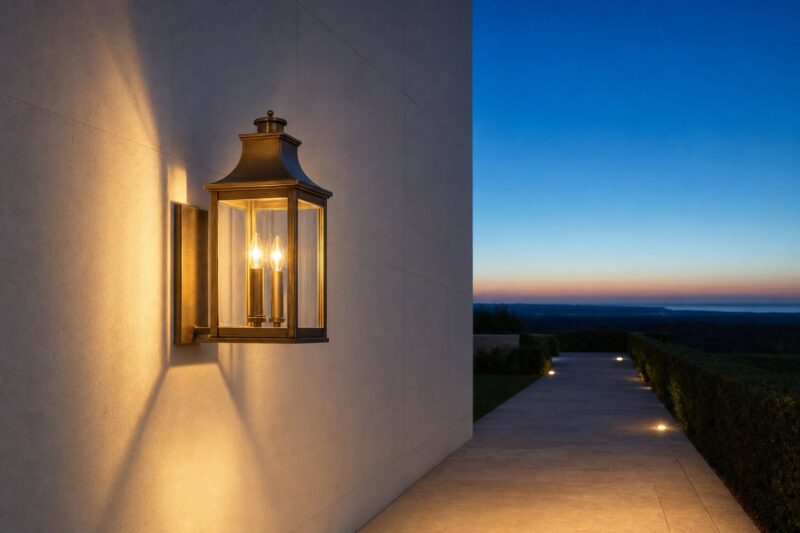
As a lighting fitting ages, its output will depreciate. This impact covers all types of lighting, from LEDs to incandescent bulbs, and it affects your business in several ways. Firstly, it increases costs. People bring in more external lighting solutions, pushing up the bill. More power is also taken to increase the output from items already fitted.
It can also reduce productivity. In environments where clear lighting and vision are crucial, people may begin to suffer from strain due to the generally unsafe environments. This is why it is one of the key areas to address when looking at building systems depreciation, not just for its tax yields, but also the other strain it places on your business.
Electrical and Plumbing Components
Electrical and plumbing components are integral to your property, and they come at a premium. Thus, they can be one of the most lucrative areas for claiming back tax. Electrical and plumbing components generally depreciate over a 27.5-year period, depending on the building’s usage.
HVAC/MEP
HVAC can be hard to categorise, as it is often made up of so many different components that may depreciate at different times. It is also subject to rapid improvements in technology, which can make it more cost-effective and efficient.
Professionals can view an invoice and decide if this should be categorized as a repair cost or a depreciation. It is worth doing this properly. As HVAC systems cost so much, it can lead to a large overpayment in tax liability when done wrong.
Finishes
Finishing incorporates a lot of other areas, such as lighting and flooring. It generally covers the visible materials applied to surfaces, such as plaster trim work, that make it aesthetically pleasing. Office building depreciation generally takes longer than residential depreciation. All of this means you need to get its classification correct.
Exterior Sitework
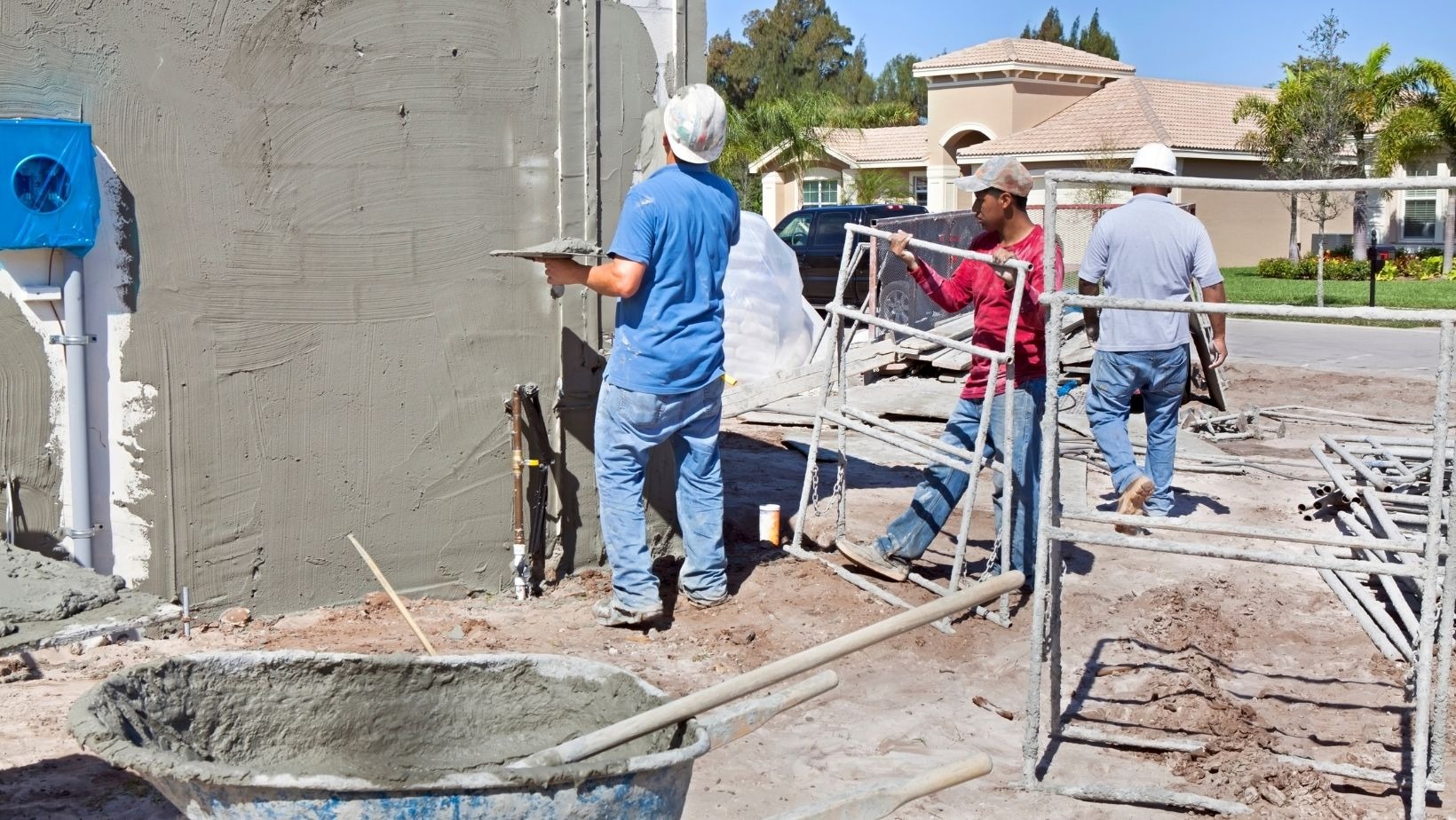
Exterior sitework generally has shorter depreciation times. This is due to its exposure to the elements. They may fall under the classification of land improvements. Site improvements depreciation can allow access to an accelerated depreciation strategy.
Tenant Improvements
With tenant improvements, you can depreciate costs faster. This can be done with a Qualified Improvement Property categorization as opposed to a commercial classification.
All these different components can land in various depreciation brackets. This is why the correct classification and documentation matter, such as a commercial construction cost breakdown. It is vital you work with a tax professional who will categorise them correctly, create an engineered study and get you the right legal tax breaks.