Roger Morph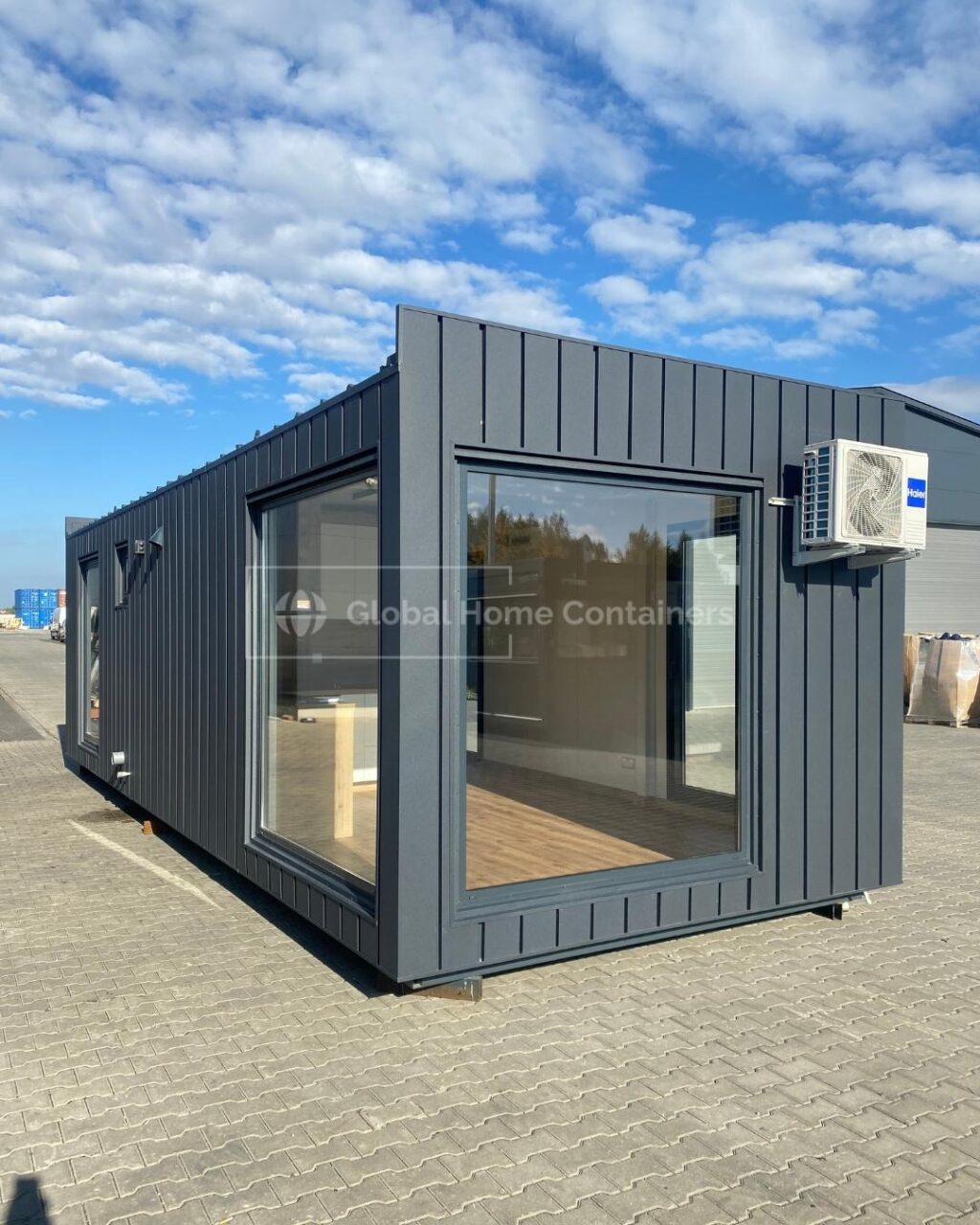
The housing conversation in Britain is changing. Buyers, investors, developers, and landowners are all asking the same question: how can new homes be delivered faster, more efficiently, and with greater cost control than traditional building methods often allow? In that discussion, modular construction UK is no longer a niche topic. It is becoming a serious part of the future of residential development.
For many people, the first attraction is speed. For others, it is quality control, design flexibility, or the ability to plan a project with greater confidence. But what truly makes this sector important is that it responds to several pressures at once. The UK needs more housing. Buyers want better value. Developers need predictable delivery models. Local markets are looking for practical, modern solutions that fit changing lifestyles.
That is why interest in modular construction UK continues to grow across both private and commercial markets.
A new model for a changing market
Traditional construction still plays a major role in the housing sector, but it often comes with long build times, weather-related delays, variable labour availability, and budget uncertainty. These challenges have encouraged many stakeholders to look more closely at alternative methods that can reduce complexity without reducing quality.
This is where modular buildings have gained real momentum. By moving a significant part of the construction process into a controlled production environment, developers can achieve greater consistency, tighter project management, and a clearer route from design to completion. For buyers, that translates into confidence. For investors, it means a model that can support stronger planning and more reliable timelines.
In simple terms, modular development helps bring more control into a process that has often been difficult to predict.
Why the UK is paying attention
The growth of modular construction UK is closely linked to wider housing realities. The market is under pressure from rising material costs, land constraints, demand for energy efficiency, and the need for faster delivery across multiple property segments.
These pressures affect more than first-time buyers. They influence:
- Families looking for smart and efficient homes.
- Landowners exploring development opportunities.
- Investors entering the rental or holiday accommodation market.
- Developers seeking repeatable and scalable formats.
- Businesses needing high-quality residential or mixed-use solutions.
Because of this, the conversation is no longer limited to innovation for innovation’s sake. The market is now asking whether modular delivery can solve practical problems better than more conventional approaches.
That is one of the main reasons prefabricated homes have moved into the mainstream property conversation. They speak directly to current needs: efficiency, speed, adaptability, and better visibility over the entire project journey.
More than speed alone
Speed is often the headline benefit, but it is not the only reason the sector is expanding. One of the strongest advantages of modular construction UK is that it brings together several commercial and practical benefits in one solution.
These typically include:
- Shorter delivery schedules compared with many traditional builds.
- Higher consistency due to controlled manufacturing conditions.
- Better budget predictability from the outset.
- Reduced disruption on site.
- Greater flexibility in design and layout.
- Strong potential for energy-efficient performance.
This matters because today’s buyers are more informed than ever. They do not just want a finished property. They want a process they can trust. They want to understand what they are paying for, how long it will take, and what kind of long-term value they are likely to receive.
Well-designed modular buildings can answer those expectations in a clear and compelling way.
A stronger image than many expect
One of the outdated assumptions in the market is that modular housing must look basic, temporary, or overly functional. In reality, design standards have advanced significantly. Modern projects can deliver attractive exteriors, well-planned interiors, strong thermal performance, and a finish level that meets the expectations of contemporary buyers.
This shift is important because it changes how the category is perceived. Prefabricated homes are no longer seen simply as alternatives for those with limited options. Increasingly, they are chosen by people who want a modern, intelligent, and efficient way to build.
Open-plan living, large glazed areas, clean architectural lines, and smart use of space are all helping drive wider acceptance. As a result, modular construction UK is becoming relevant not only for budget-conscious buyers, but also for customers who value design, convenience, and future-ready housing.
Education builds trust
In sectors where awareness is growing quickly, education becomes a competitive advantage. Many prospective buyers have heard of modular development, but they do not always understand how it works in practice. They may be unsure about planning pathways, installation stages, specifications, financing considerations, or long-term durability.
This is exactly why educational content matters so much. A strong company in this sector should not only sell a product. It should also explain the process in a way that feels transparent and reassuring.
That means helping audiences understand:
- What modular delivery actually involves.
- How production and site preparation work together.
- What levels of customisation are possible.
- How performance standards compare with expectations for modern housing.
- Why modular buildings can be a realistic solution for different buyer profiles.
When brands communicate this well, they do more than generate leads. They build authority in a market that is still developing its public understanding.
Who should be interested
One of the most valuable aspects of modular construction UK is its broad relevance. This is not a topic for one narrow audience. It connects with many groups across the property market.
It may be especially relevant for:
- Homebuyers looking for a faster route into ownership.
- Families planning additional living space for relatives.
- Developers seeking efficient project rollouts.
- Investors creating rental or short-stay accommodation.
- Landowners wanting to unlock more value from available plots.
- Professionals watching where the housing market is heading next.
This wide relevance also makes the subject highly shareable. Even someone who is not planning to buy today may know a friend, family member, client, or business contact who is actively looking for a practical housing solution. That gives this category strong referral potential, which is especially important in a trust-driven market.
A practical response to future demand
The future of housing in Britain will depend on more than volume alone. The market also needs smarter delivery, better use of resources, stronger planning confidence, and homes that reflect how people live now. That is where prefabricated homes and wider modular solutions are likely to play an increasingly visible role.
As expectations rise, buyers and investors will continue looking for solutions that offer a stronger balance of quality, speed, and financial clarity. In that context, modular construction UK stands out as a modern response to a very traditional problem: how to deliver more homes, more efficiently, without losing sight of quality or liveability.
For companies operating in this space, the opportunity is clear. This is not only a growing sales category. It is also a knowledge category. The businesses that educate the market, explain the value clearly, and present modular buildings as credible, attractive, and future-focused solutions will be the ones that build lasting authority.
In the years ahead, housing decisions in the UK will increasingly be shaped by flexibility, efficiency, and confidence in delivery. That is exactly why modular construction UK is becoming one of the most important conversations in the sector.