Jennifer Jung
When investing in commercial or clinical flooring, this can be one of the biggest capital outlays of the project. Whether you are refurbishing a hospital wing, a professional kitchen, or a high-traffic retail space, you need a surface that offers more than just aesthetic appeal. You need safety, hygiene, and, perhaps most importantly, longevity.
Safety flooring is a specialised product engineered to provide slip resistance and durability under intense conditions. However, every material has a lifespan. Understanding the factors that influence the life expectancy of commercial-grade safety flooring is essential for effective facility management and long-term budgeting.
In this guide, we will explore how long you can expect your safety flooring to last, the variables that can extend or shorten its life, and why choosing the right specification for your sector is the key to a high return on investment.
1. The General Lifespan of Safety Flooring
In a standard commercial setting, high-quality safety flooring is typically designed to last between 10 and 20 years.
However, this is a broad estimate. The actual “useful life” of the floor depends on the specific product type. For instance, a heavy-duty vinyl safety floor in a corridor may last 15 years, while a specialised quartz-reinforced safety floor in an industrial kitchen might reach 20 years if maintained correctly.
It is important to distinguish between the physical life of the floor and its “safety life”. A floor might still be attached to the sub-floor after 25 years, but if the slip-resistant granules have worn away, the floor has technically failed its primary purpose.
2. Key Factors Influencing Longevity
Several variables dictate whether your flooring will reach the two-decade mark or require replacement after just five years.
Traffic Volume and Type
This is the most obvious factor. A safety floor in a server room with minimal foot traffic will naturally outlast a floor in a hospital entrance where thousands of people walk daily. Furthermore, the type of traffic matters. Heavy rolling loads, such as hospital beds, heavy trolleys, or pallet jacks, put immense shear stress on the flooring and its adhesive bond.
The Quality of Installation
Even the most expensive safety flooring will fail prematurely if the installation is poor. Moisture in the sub-floor is the leading cause of floor failure in the United Kingdom. If a damp-proof membrane is not used where necessary, or if the wrong adhesive is applied, the flooring can bubble, lift, or crack.
Environmental Conditions
Temperature fluctuations and UV exposure can impact the chemical stability of vinyl and rubber flooring. In clinical environments where high-intensity UV cleaning lights are used, or in kitchens with extreme heat near ovens, the flooring must be specifically rated for those conditions to prevent becoming brittle.
3. Slip Resistance: The “Safety” Lifespan
The unique feature of safety flooring is its slip resistance, often achieved through the inclusion of aggregates like silicon carbide, quartz, or aluminium oxide throughout the wear layer.
Sustained Slip Resistance
Some budget safety floors only have a thin coating of slip-resistant material on the surface. Once this layer wears off, the floor becomes slippery when wet. High-performance commercial-grade flooring features aggregates “through the thickness” of the material.
This ensures that as the floor wears down, new slip-resistant particles are exposed, maintaining a safe Pendulum Test Value (PTV) for the duration of the floor’s life.
4. Maintenance: The Secret to Longevity
The single most effective way to extend the life of your safety flooring is through a correct and consistent maintenance regime.
Avoiding “Soil Build-up”
Safety floors have a textured surface to provide grip. However, this texture can also trap dirt and grease. If left to accumulate, this dirt acts as an abrasive, grinding into the floor surface under the pressure of footsteps and accelerating wear.
Chemical Compatibility
Using the wrong cleaning chemicals is a common reason for floor degradation. Highly acidic or highly alkaline cleaners can damage the top coats of safety flooring, leading to discolouration and a loss of slip resistance. Always follow the manufacturer’s guidelines and use pH-neutral cleaners unless a specific deep-clean is required.
The Role of Mechanical Scrubbing
In high-traffic commercial areas, manual mopping is often insufficient. Periodic mechanical scrubbing with an automatic floor scrubber helps to lift deep-seated dirt from the textured surface, preserving the appearance and the safety characteristics of the material.
5. Sector-Specific Expectations
Different industries place different demands on their flooring. Here is what you can expect based on your sector:
Clinical and Healthcare
In hospitals and clinics, flooring must withstand 24/7 foot traffic and constant chemical disinfection. Clinical-grade vinyl usually lasts 15 years.
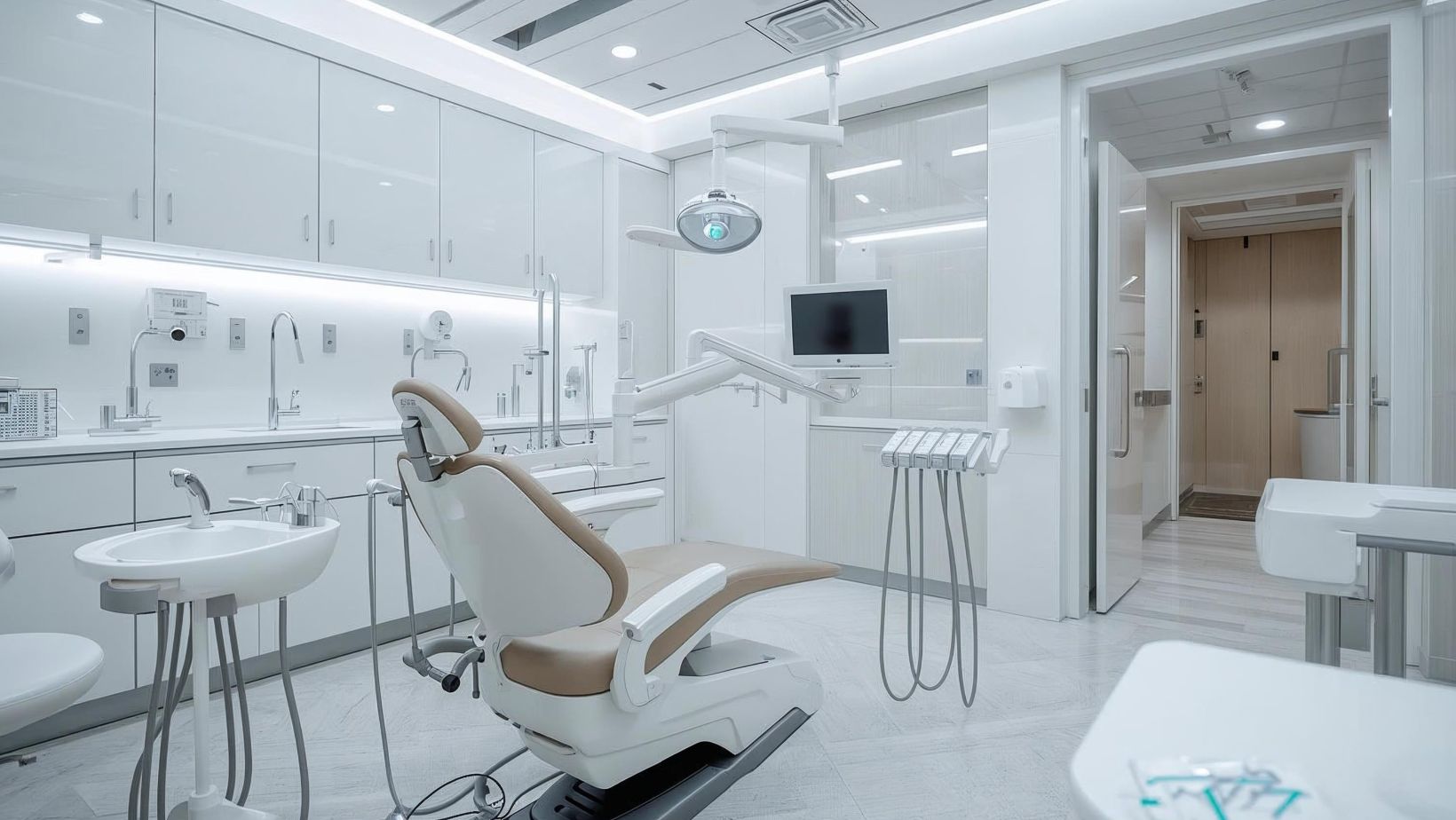
The main reason for replacement in this sector is often aesthetic wear or changes in facility requirements rather than a total failure of the material.
Commercial Kitchens and Food Prep
These are the harshest environments for safety flooring. Constant exposure to hot oils, food acids, and heavy cleaning can take a toll. A well-specified, coved safety floor in a kitchen typically lasts 10 to 12 years.
Education and Public Buildings
School corridors and classrooms see intense bursts of traffic. Modern safety flooring in schools is exceptionally durable and frequently reaches the 20-year mark before needing a full replacement.
6. Signs That Your Safety Flooring Needs Replacing
As a facility manager, you should look out for these indicators that your flooring is reaching the end of its life:
- Thinning Wear Layer: If the pattern or the slip-resistant granules appear to be “faded” in high-traffic paths, the wear layer is likely compromised.
- Persistent Staining: If the floor no longer looks clean after a deep scrub, the surface has become too porous, allowing dirt to become permanently embedded.
- Brittleness and Cracking: If the flooring is cracking or the welded seams are splitting, the plasticisers in the vinyl have likely degraded.
- Adhesive Failure: If you notice “bubbling” or if the floor feels “squishy” underfoot, moisture or adhesive breakdown is occurring beneath the surface.
7. The Importance of Professional Specification
Longevity starts before the floor is even laid. Selecting the right “R-rating” (Slip Resistance) and “Group” (Wear Rating) is vital.
For example, an R10-rated floor might be suitable for a general office, but an R12 or R13 is essential for a commercial kitchen where grease and water are constantly present. Choosing an under-specified floor for a high-risk area will result in a floor that “wears out” its safety properties in a fraction of its intended lifespan.
8. Sustainability and End-of-Life
In 2026, the life expectancy of a product is also tied to its environmental impact. Many modern commercial safety floors are now 100% recyclable. When a floor finally reaches the end of its 20-year life, it can be removed and processed back into new flooring products, reducing the burden on landfill and improving the sustainability credentials of the building project.
9. Summary: Getting the Most Out of Your Investment
To ensure your safety flooring lasts for its full 15 to 20-year potential, follow these three pillars:
- Correct Specification: Choose a floor rated for your specific traffic type and slip-risk level.
- Professional Installation: Ensure the sub-floor is dry, level, and prepared with the correct primers and adhesives.
- Proactive Maintenance: Use the correct cleaning equipment and chemicals to prevent abrasive dirt from damaging the surface.
Conclusion
Commercial-grade safety flooring is a high-performance material designed to withstand some of the toughest environments in the world. While the average lifespan is roughly 15 years, the actual longevity is a reflection of how well the floor was chosen, installed, and maintained.
By investing in quality materials and professional installation from the start, you avoid the disruption and cost of premature replacement. A well-maintained safety floor is not just a surface; it is a long-term safety asset for your business, protecting your staff, your customers, and your bottom line for decades.
If you are currently planning a refurbishment or a new build, take the time to consult with experts who understand the nuances of safety and clinical flooring. Making the right choice today will pay dividends in twenty years’ time.