Beyond the View: How Advanced Window Technology is Enhancing Comfort in Senior Living Design
 Roger Morph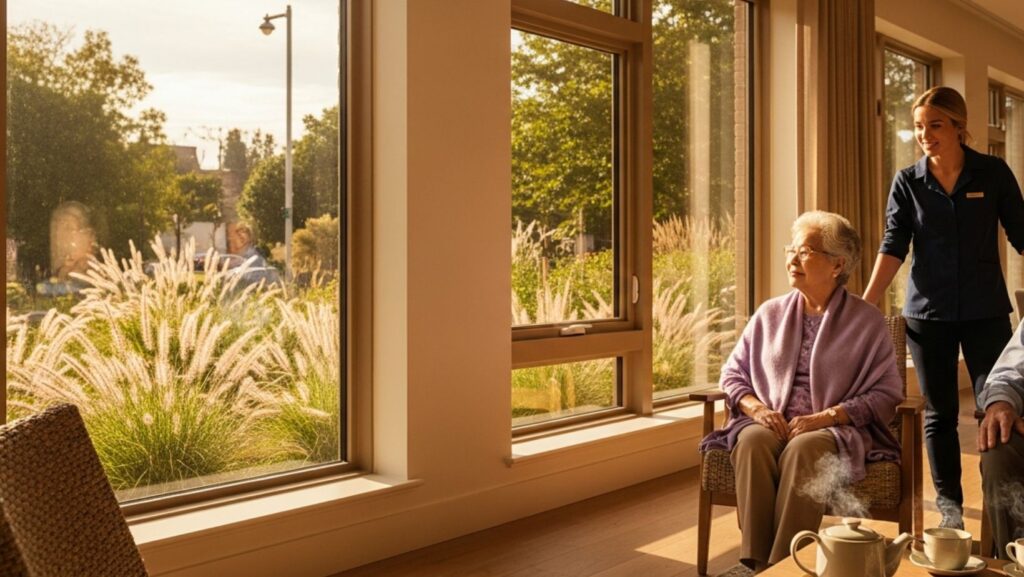
The design of senior living communities has undergone a profound transformation, shifting from a purely functional model to one that prioritizes holistic well-being and a therapeutic environment. In this modern approach, architectural components that were once considered secondary, such as windows, are now recognized as critical elements for improving resident health and operational efficiency. As technology continues to make assisted living communities safer and more comfortable spaces, fenestration—the arrangement of windows in a building—plays a vital role. This Q&A with an architectural design expert will investigate the significant impact of modern window technology on resident comfort, energy costs, and the overall quality of care in today’s forward-thinking senior living facilities.
Q1: Why are windows now considered such a critical component in modern senior living architecture?
In contemporary senior living design, windows serve a purpose far beyond providing light and a view; they are fundamental to creating a supportive and healing atmosphere. The focus has moved toward how these building components directly influence resident health, from regulating circadian rhythms through controlled exposure to natural light to boosting mental well-being by fostering a strong connection to the outdoors. This resident-centric approach also aligns with broader industry goals for sustainability and operational excellence. With heat gain and loss through windows accounting for 25%–30% of a building’s heating and cooling energy use, specifying high-performance windows is a crucial step toward achieving efficiency and carbon neutrality goals. The construction industry is undergoing a significant transformation, with the building exterior being redefined as a technological interface to achieve this. Ultimately, a well-chosen window strategy contributes to a facility that is not only more comfortable for residents but also more sustainable and cost-effective to operate.
Q2: What are the most significant technological advancements in windows that directly benefit seniors?
The technology embedded in modern windows has advanced dramatically, offering features specifically tailored to address the unique needs of senior residents. These innovations offer more than just aesthetic improvements and deliver tangible benefits in comfort, safety, and health. Advanced glazing technologies, including multi-pane systems and specialized coatings, are now standard for elevating thermal resistance while allowing for clear views. The following features are particularly impactful in a senior living context.
- Advanced Glazing and Insulation: Modern windows feature sophisticated multi-pane systems. Double- or even triple-pane glass units are filled with inert gases like argon or krypton and treated with invisible low-emissivity (Low-E) coatings. This combination significantly boosts thermal resistance, reducing heat loss in the winter and limiting solar heat gain in the summer for year-round comfort.
- Superior Acoustic Performance: To create a tranquil and restorative environment, manufacturers now use dissimilar glass thicknesses and laminated glass layers. This technique disrupts sound waves, effectively dampening exterior noise from traffic, landscaping activities, or general community hustle. Quieter interiors are proven to reduce resident stress and improve sleep quality.
- High-Performance Frame Materials: The frames themselves have become a key area of innovation. Advanced materials with integrated thermal breaks prevent energy from escaping through the window structure, eliminating the cold drafts and condensation common with older metal frames.
- Integrated UV Protection: The same Low-E coatings that manage temperature also block a significant portion of harmful ultraviolet (UV) rays. This protects residents’ sensitive skin and prevents the fading of interior furnishings, flooring, and artwork, preserving the facility’s aesthetic integrity.
- Smart and Automated Features: Aligning with the broader trend of smart technology in senior care, windows can now be equipped with automated shades and smart glass that adjusts its tint based on the time of day or sunlight intensity. This not only enhances convenience but also helps optimize energy use and resident comfort without manual intervention.
Q3: How does specifying the right window material impact both resident comfort and a facility’s operational budget?
The choice of window material is where design goals meet real-world performance. While options like aluminum and wood exist, advanced vinyl has become a dominant choice, holding approximately 66% of the residential market share due to its exceptional balance of performance, durability, and cost-effectiveness. The key is to select products that integrate multiple technologies to maximize benefits for both residents and operators. When architects specify materials, they must consider the entire system—from the frame to the glass coatings—to achieve desired outcomes in thermal, acoustic, and long-term performance.
To understand how these technologies come together, a prime example is found in energy-efficient vinyl windows like the Clera Brilliance Windows line. This series is engineered specifically to address the core challenges of senior living environments by combining advanced materials with precision manufacturing. The frames are made from 100% pure virgin uPVC for superior durability and are infused with an Ultra Low Emissivity Foam, which drastically improves the window’s overall insulation value. This directly addresses the issue of energy loss, creating more stable and comfortable indoor temperatures.
Furthermore, the Brilliance line leverages dual Low-E coatings and a 97% argon gas fill between the panes to achieve elite thermal performance, leading to measurable energy savings. For acoustic comfort—a major priority for seniors—the windows use dissimilar glass thicknesses, a feature that can improve soundproofing by up to 3 STC (Sound Transmission Class) points. This material and design synergy results in a window that actively contributes to a quieter, more energy-efficient, and ultimately more comfortable living space, reducing long-term operational costs while enhancing the daily lives of residents.
Comparison: Modern Performance Windows vs. Standard Windows
| Feature | Clera Brilliance Windows (Modern Solution) | Standard/Older Vinyl or Aluminum Windows | Impact on Senior Living |
|---|---|---|---|
| Frame Insulation | Ultra Low Emissivity Foam infused into virgin uPVC frames. | Hollow or basic foam-filled frames; non-thermally broken aluminum. | Reduces drafts and cold spots near windows, enhancing resident comfort and lowering heating costs. |
| Glass Technology | Dual Low-E coatings, 97% argon gas fill. | Single-pane or basic double-pane with air fill; no Low-E coating. | Minimizes heat transfer, keeping rooms cooler in summer and warmer in winter, leading to significant energy savings. |
| Acoustic Control | Dissimilar glass thicknesses for sound dampening (up to +3 STC points). | Standard, uniform glass thickness. | Creates a quieter, more serene environment by reducing external noise from traffic or landscaping, crucial for resident rest. |
| UV Protection | Integrated into Low-E coatings. | Minimal to no UV filtering. | Protects residents’ sensitive skin and prevents fading of furniture, flooring, and artwork, preserving the facility’s interior. |
| Durability | 100% virgin uPVC with UV-resistant finishes. | Recycled PVC or painted aluminum, prone to warping, fading, or peeling. | Lowers long-term maintenance and replacement costs, ensuring a lasting high-quality appearance. |
Q4: What are the measurable outcomes of investing in high-performance windows for a senior care community?
The return on investment for high-performance windows is multifaceted, delivering tangible benefits across finances, resident well-being, and operational management. From a financial perspective, the energy savings are significant. Replacing outdated windows with modern ENERGY STAR® certified units can substantially reduce annual utility bills. For a large-scale facility, these savings compound quickly, directly improving the bottom line. Additionally, many high-performance window projects may qualify for federal or local energy efficiency tax credits and rebates, which can further offset the initial investment.
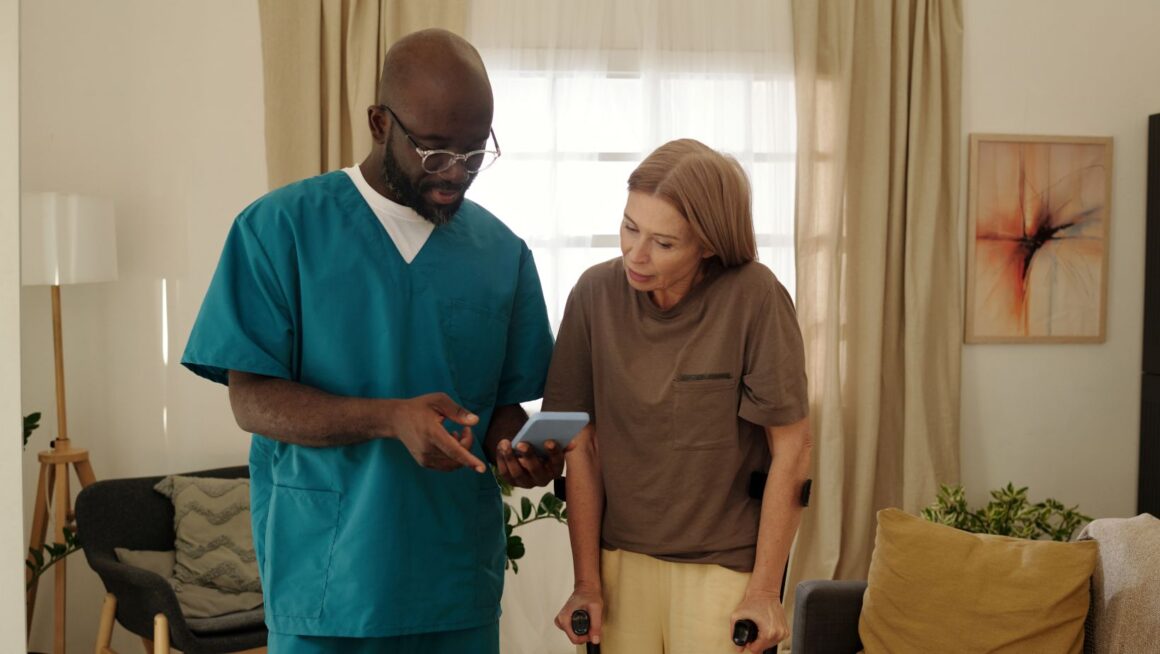
The return on resident well-being, while harder to quantify, is even more critical. Improved thermal comfort eliminates drafts and temperature fluctuations, which can be particularly distressing for older adults. Enhanced acoustic insulation contributes to better sleep and reduced agitation, positively impacting overall health. This commitment to a superior living environment is part of a larger trend of using technology to improve resident outcomes. For example, one study showed a 48% reduction in overall falls through targeted AI-powered interventions. A focus on creating a superior living environment can improve a facility’s reputation, leading to higher occupancy rates and greater resident satisfaction. This commitment to resident-centric design becomes a key advantage in a competitive market.
Designing for Dignity: The Future of Fenestration in Senior Care
Ultimately, the careful selection of windows is no longer a minor detail but a foundational element of compassionate and intelligent senior living design. By specifying advanced window systems, architects and developers are making a direct investment in the health of their residents, the efficiency of their operations, and the long-term sustainability of their communities. As material science continues to advance, the use of high-performance fenestration will remain a cornerstone of creating environments where seniors can live with comfort, dignity, and a clear view toward a better future.