Jennifer Jung
During the previous winter cycle, natural gas prices surged by up to 60% amid severe storms, exposing the vulnerability of traditional heating dependencies. Simultaneously, U.S. electricity prices rose an average of 6.9%, representing an increase more than double the standard inflation rate. In response to this compounding utility inflation, modern air-source heat pumps have transitioned from an alternative green technology to a primary financial hedge. These systems operate by transferring ambient thermal energy, allowing them to produce over three times the heating energy they consume. This superior operational performance directly counteracts escalating winter utility costs. However, capitalizing on this technology requires careful planning. Assessing local grid infrastructure, evaluating specific home architecture, and modeling lifecycle cost-efficiency are mandatory steps for maximizing 2026 energy upgrades and securing long-term financial stability.
Background: The Current Macroeconomic Energy Landscape in 2026
Heat pump adoption is rapidly scaling as a strict countermeasure to persistent energy volatility. British households recently generated a 36% increase in government-backed upgrade applications, a statistical trend categorized by market analysts as a significant growth indicator. Overall international sales are continually reaching historical highs as consumers actively seek to shield their household balance sheets from unpredictable and unregulated gas markets.
This market momentum fundamentally alters long-term infrastructure projections across North America. By 2050, heat pumps are projected to satisfy 50% of residential space heating demand in Canada, a substantial increase from the current baseline of just over 5%. This transition reflects a broader institutional push toward electrification designed to stabilize baseline heating costs for residential properties.
The macroeconomic benefits extend beyond individual household ledgers into systemic regional stability. A recent Clean Energy Canada study revealed that transitioning to heat pumps could deliver $675 million in structural savings annually for regions like British Columbia. This macro-level shift systematically protects residents from worsening climate impacts, strengthens grid capacity against acute weather events, and mitigates regional dependency on volatile fossil fuel imports.
Core Analysis: Decoding the Technological Efficiency of Modern Heat Pumps
Modern heat pumps move away from the traditional method of generating heat by burning combustible fossil fuels. Instead, the technology utilizes advanced refrigerants to transfer existing ambient heat from the outdoor air or ground directly into the home. Because the system merely moves thermal energy rather than creating it from raw combustion, these units operate at two to five times the efficiency of traditional gas furnaces.
The measurable efficiency metrics of this thermal transfer are highly documented by global energy authorities. Air-source heat pumps reduce electricity consumption for space heating by at least 50% when compared to standard electric resistance heating. Furthermore, the International Energy Agency explicitly states that these transfer systems are 3 to 5 times more efficient than standard gas boilers.
Ongoing skepticism regarding extreme cold weather performance relies on outdated data. A comprehensive sustainability study published in Joule found that modern heat pumps operating in Finland at minus 20°C moved 2 kWh of heat using 1 kWh of electricity, achieving a 200% operating efficiency. Cold-climate models successfully maintain a coefficient of performance (COP) over 1.8 even at -30°C. Consequently, Upstate New York suppliers report significant mid-winter demand for cold-climate technology from homeowners frustrated with failing traditional systems.
Core Analysis: Assessing Home Architecture and Suitability for 2026 Upgrades
Property age and layout do not automatically preclude the installation of high-efficiency thermal transfer systems. A highly documented case study of a 100-year-old home demonstrated that retrofitted insulation and a heat pump yielded immediate annual savings without relying on supplementary solar battery backups. The architectural suitability of any property relies on a systematic evaluation of existing infrastructure rather than construction dates.
Key Assessment Factors for Residential Layouts
- Ductwork Infrastructure: Assessing whether existing furnace ducting can be retrofitted for a central air-source heat pump, or if a ductless mini-split system is required for older architecture.
- Thermal Envelope Integrity: Evaluating the home’s current insulation, window glazing, and air-sealing to maximize the heat pump’s low-and-slow operational efficiency.
- Supplemental Heating Requirements: Determining if a dual-fuel setup (heat pump paired with a traditional furnace) is necessary for properties experiencing frequent grid outages or extreme microclimates.
- Electrical Panel Capacity: Verifying if the property’s electrical service requires upgrading (e.g., to a 200-amp panel) to support the increased electrical load of an HVAC overhaul.
Partnering with Localized Expertise
Proper system sizing and geographic calibration are critical to reliably achieving the promised 200% operating efficiency in freezing temperatures. For residents in Southern Ontario facing high humidity and sharp winter temperature drops, consulting with dedicated Windsor heat pump specialists ensures the optimal selection and calibration of appropriate hardware. Firms like LG Home Comfort provide a targeted “360° Home Comfort” framework that comprehensively covers professional installation, routine maintenance, and rapid repair protocols.
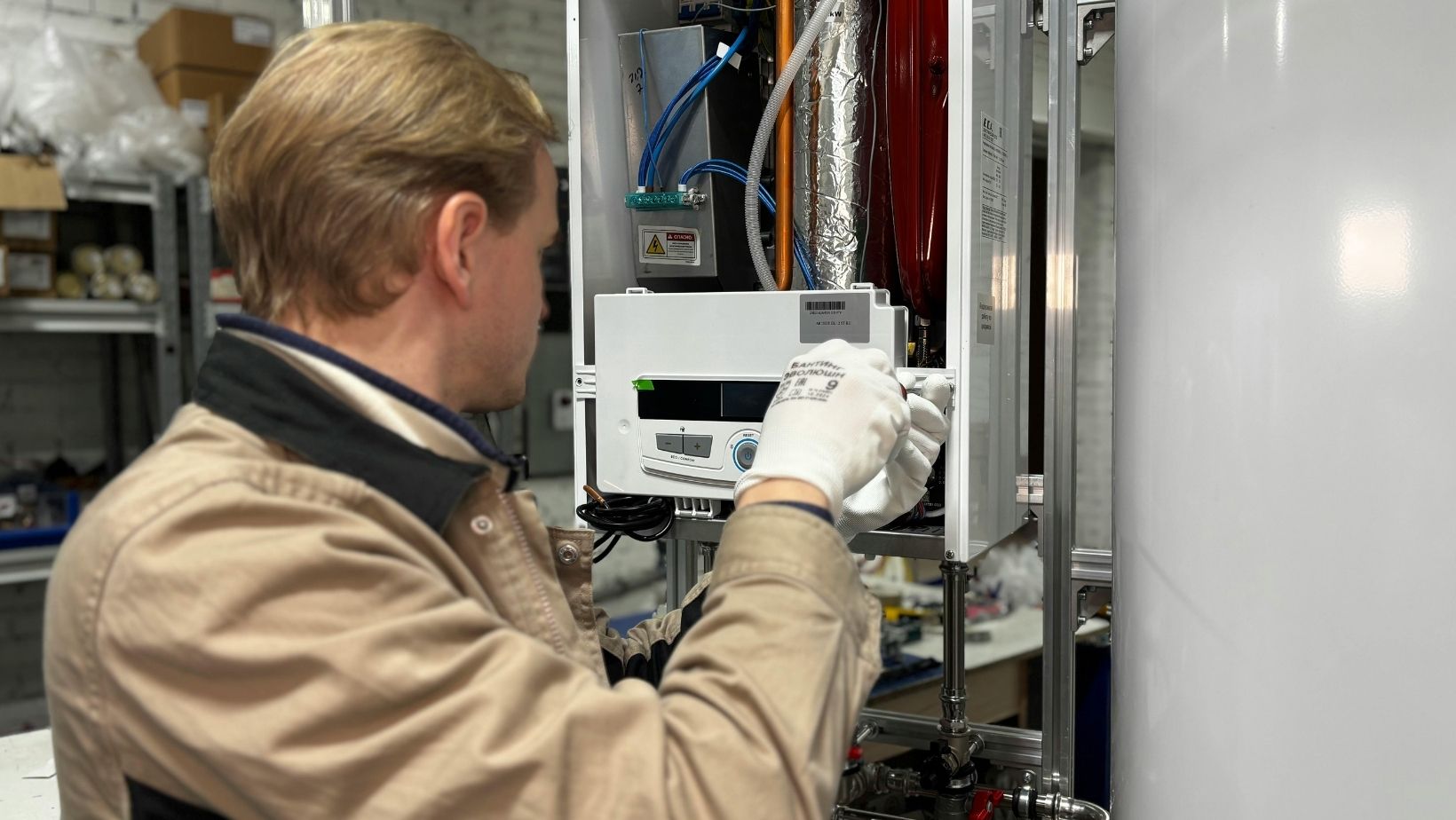
This localized expertise safeguards the homeowner’s capital investment, ensuring the system delivers quiet, high-efficiency operation year-round to fully optimize the financial return on the hardware.
Financial Framework: Return on Investment and 2026 Rebates
Analyzing the financial viability of thermal transfer systems requires separating upfront capital expenditures from long-term operating expenses. While initial hardware and installation costs are higher than baseline combustion units, the lifetime cost of a standard heat pump with electric backup is 13% less than a traditional gas furnace paired with standard air conditioning. The operational savings heavily outweigh the initial capital outlay over the hardware’s functional lifecycle.
Realized annual savings depend heavily on the replaced fuel source, but reductions are universally documented across major markets. Canadian households switching from expensive heating oil to an electric heat pump save between $1,500 and $4,700 annually on their utility expenditures.
Aggressive government incentives drastically compress the anticipated payback period for property owners in 2026. For example, eligible Ontario homeowners can currently secure rebates of up to $7,500 for installing air-source heat pumps. Factoring these immediate capital injections into the ROI calculation makes the transition mathematically optimal for most residential properties.
Cost-Benefit Analysis: Gas Furnace vs. Cold-Climate Heat Pump
| Metric | High-Efficiency Gas Furnace | Cold-Climate Air-Source Heat Pump |
|---|---|---|
| Energy Source | Combustible Natural Gas / Propane | Electricity (Ambient Heat Transfer) |
| Maximum Efficiency | ~95% – 98% AFUE | 200% – 300%+ (COP of 2.0 to 3.0+) |
| Operating Temperatures | Unaffected by external temperature | Efficient down to -30°C (-22°F) |
| Dual Functionality | Heating Only (Requires separate A/C) | Provides both Heating and Cooling |
| Carbon Footprint | High direct localized emissions | Zero direct emissions; dependent on local grid |
| Lifetime Cost Variance | Baseline Cost | ~13% Lower Lifetime Cost |
Forward-Looking Implications: Strategic Climate and Cost Mitigation
Transitioning away from combustible fossil fuels systematically stabilizes household balance sheets against the persistent geopolitical volatility of global gas prices. Beyond pure financial metrics, aggressive heat pump adoption acts as a primary mechanism for localized environmental remediation. Large-scale installations are proven capable of eliminating 3.5 megatonnes of carbon pollution annually in key regions, matching the environmental impact of removing hundreds of thousands of gas-powered vehicles from the roads.
As this technology rapidly scales and municipal grid infrastructure adapts, the real estate market will increasingly price energy efficiency into property valuations. Upgrading to a modern heat pump in 2026 represents both a necessary defense against utility inflation and a strategic enhancement of property value, especially given that these systems will satisfy 50% of residential heating demand by 2050. Properties lacking high-efficiency systems face probable localized market devaluation due to their demonstrably higher baseline operating costs.
Key Takeaways
- Modern air-source heat pumps yield operational efficiencies of over 200%, even in extreme winter climates reaching -20°C and below.
- The lifetime cost of a heat pump system is, on average, 13% lower than a traditional gas furnace and air conditioning pairing.
- Homeowners must evaluate their ductwork infrastructure and thermal envelope to determine the appropriate system architecture.
- Aggressive government rebate programs, such as Ontario’s $7,500 incentive, significantly accelerate the financial return on investment.
Disclaimer: This article is for informational purposes only and should not be considered investment or financial advice. The views expressed are those of the author and do not necessarily reflect the official policy or position of MarketView Analytics. All home modifications and investments involve risk, and past performance or statistical averages are not indicative of individual future results. Readers should conduct their own research and consult with a qualified local HVAC professional or financial advisor before making any purchasing decisions.