Jennifer Jung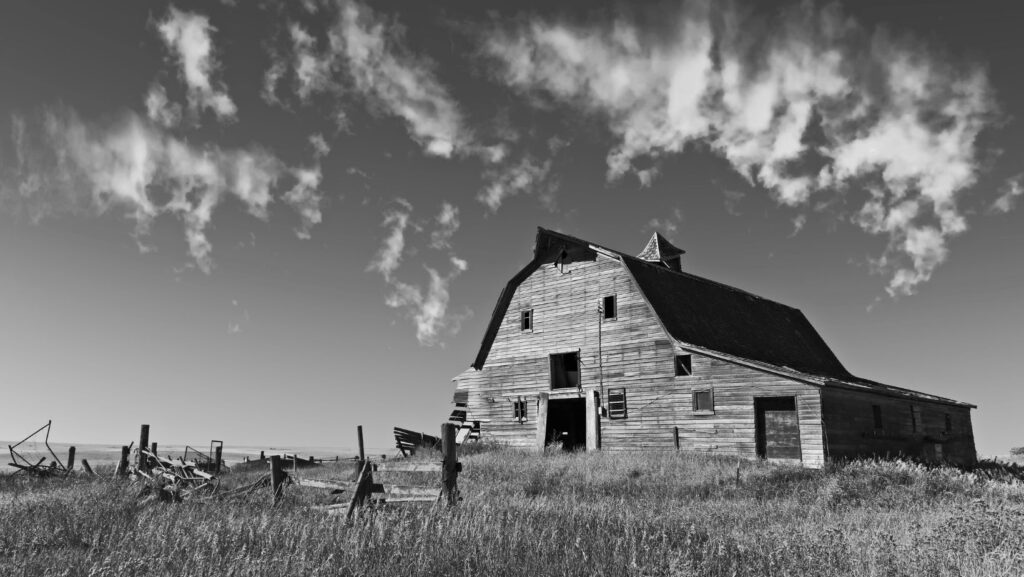
The iconic silhouette of a bank barn has long defined Ontario’s rural skyline. These tiered structures—built into hillsides with stone foundations and weathered timber siding—represent more than agricultural efficiency. They’re living artifacts of 19th-century craftsmanship, embodying the ingenuity of settlers who built resilient structures using hand-hewn beams and mortise-and-tenon joinery.
But heritage barns are disappearing. According to the Ontario Barn Preservation Society, roughly 150 barns are lost each year across the province. While some succumb to demolition, many simply collapse under the weight of decades of deferred maintenance and environmental degradation.
Preserving these structures requires far more than nostalgic sentiment. It demands a precise understanding of how modern climate stressors interact with century-old materials—and how specialized protective coatings can extend their lifespan without compromising historical authenticity.
The Cultural Significance of the Heritage Bank Barn
Bank barns emerged throughout rural Ontario during the mid-1800s, designed to maximize efficiency on sloped terrain. The elevated upper level provided storage for hay and grain, while livestock occupied the ground-level stable below. This vertical design minimized the footprint while keeping animals sheltered and feed readily accessible during harsh winters.
Beyond their functional brilliance, these barns became architectural landmarks. Their proportions, timber framing techniques, and distinctive colour schemes reflected regional building traditions passed down through generations of agricultural communities. Many featured hand-split cedar shingles, board-and-batten siding, or clapboard painted in historically significant hues—typically reds derived from iron oxide or ochres from natural earth pigments.
These barns weren’t just workspaces. They were community gathering points during barn raisings, harvest celebrations, and seasonal markets. Preserving them means maintaining a tangible connection to Ontario’s agricultural heritage and the social fabric that shaped rural life.
Modern Environmental Stressors Threatening Structural Integrity
While heritage barns were built to last, they weren’t designed for the environmental conditions they now face. Climate patterns have shifted dramatically since these structures were erected, introducing stressors that accelerate deterioration:
UV Exposure and Solar Degradation
Prolonged exposure to ultraviolet radiation breaks down the lignin in wood fibers, causing surfaces to become brittle, grey, and prone to cracking. Once the protective outer layer fails, moisture penetrates deeper into the timber, initiating rot from within.
Moisture Intrusion and Freeze-Thaw Cycles
Ontario’s seasonal temperature swings create relentless freeze-thaw cycles. Water seeps into cracks and joints, expands when frozen, then contracts as it thaws—gradually widening gaps and destabilizing structural connections. Without proper sealing, this cycle repeats hundreds of times over a barn’s lifespan.
Biological Threats: Mold, Mildew, and Wood-Boring Insects
Damp, untreated wood becomes a breeding ground for fungal growth and insect infestations. Carpenter ants, powder post beetles, and termites exploit weakened timber, hollowing out beams that were once structural keystones. Mold and mildew further degrade surfaces, leaving behind unsightly staining and compromised wood integrity.
These threats don’t operate in isolation. They compound over time, accelerating the decline of barns that might otherwise stand for generations.
The Intersection of Aesthetics and Engineering
Restoring a heritage barn isn’t as simple as applying modern latex paint and calling it finished. Authentic preservation requires a nuanced approach—one that respects the barn’s historical character while integrating advanced protective technologies.

Specialized heritage barn painting Ontario focuses on structural longevity and historically accurate aesthetics, rather than just a quick cosmetic fix. This involves:
Breathable Coatings That Work With Wood, Not Against It
Traditional barns were built using naturally hygroscopic materials—wood expands and contracts with moisture fluctuations. Modern, impermeable paints trap moisture inside, leading to blistering, peeling, and accelerated rot. High-quality breathable coatings allow water vapor to escape while still providing a protective barrier against the elements.
Historically Accurate Color Palettes
Authentic heritage restoration respects the original colour schemes that defined regional barn architecture. Deep barn reds, earth-tone ochres, and muted greys weren’t arbitrary choices—they were practical, durable, and culturally significant. Professional contractors source pigments and formulations that replicate these traditional hues while incorporating modern durability enhancements.
Surface Preparation That Reveals Structural Issues
Proper restoration begins with thorough surface preparation: power washing to remove dirt and biological growth, scraping away loose or failing paint, and sanding rough areas to create a uniform substrate. This process also reveals hidden damage—rotted boards, insect activity, or compromised joints—that must be addressed before any protective coating is applied.
Beyond Cosmetics: The Science of Long-Term Protection
A truly effective preservation strategy extends far beyond the visible topcoat. It involves multi-layer systems designed to address specific vulnerabilities:
Primers Engineered for Adhesion and Moisture Resistance
Specialized primers penetrate deep into weathered wood, sealing porous surfaces and creating a stable foundation for subsequent coats. Oil-based primers are particularly effective on aged timber, offering superior adhesion and moisture resistance compared to water-based alternatives.
Anti-Fungal and Insect-Repellent Treatments
Before applying any finish coats, treating vulnerable areas with anti-fungal solutions and borate-based insecticides creates a defensive barrier against biological threats. These treatments don’t alter the wood’s appearance but significantly extend its lifespan by deterring destructive organisms.
Topcoats Formulated for UV Stability and Weather Resistance
Industrial-grade polyurethane or alkyd-based topcoats provide exceptional durability against UV degradation, moisture intrusion, and temperature extremes. These coatings are engineered to flex with the wood’s natural movement, preventing the cracking and peeling common with rigid, consumer-grade paints.
Ongoing Maintenance Protocols
Even the best coatings have finite lifespans. Establishing a proactive maintenance schedule—inspecting for damage, addressing minor issues before they escalate, and recoating high-wear areas as needed—ensures that protective systems remain effective for decades.
Sustaining Rural History for Future Generations
Heritage barn preservation isn’t just about maintaining old buildings. It’s about safeguarding cultural landmarks that define Ontario’s rural identity. These structures tell stories of agricultural innovation, community resilience, and craftsmanship that modern construction methods often overlook.
Investing in professional preservation by experienced contractors like North Pro Barn Painting ensures that these barns remain standing—not as decaying relics, but as functional, beautiful testaments to Ontario’s agricultural legacy. Proper restoration work doesn’t erase history; it extends it, allowing future generations to experience the architectural heritage that shaped the province.
Protecting What Matters Most
Heritage barns are more than picturesque backdrops for rural photographs. They’re irreplaceable pieces of Ontario’s history, deserving of care that honors their past while securing their future. Specialized preservation techniques—breathable coatings, anti-fungal treatments, and historically accurate colour palettes—provide the protection these structures need to withstand modern environmental challenges.
For property owners committed to preserving their heritage barns, partnering with contractors who understand both the engineering and the artistry of barn restoration is essential. The right approach doesn’t just extend a barn’s lifespan—it ensures that generations to come can still marvel at the craftsmanship that built rural Ontario.